Materials & Quality
Furnishing Your First Home After Renting: A Stage-by-Stage Guide
7 min read
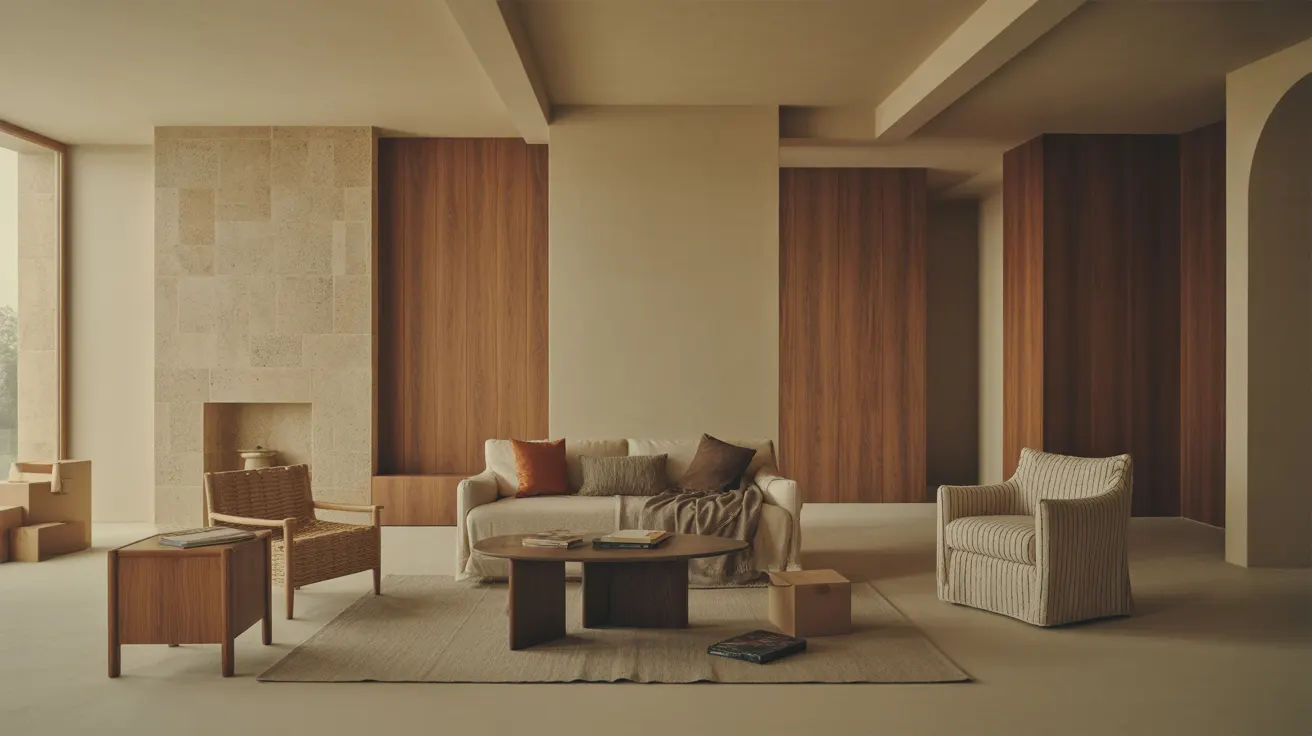
Furnishing your first home after renting? A stage-by-stage plan for spending wisely, scaling up from apartment sizes, and avoiding rookie mistakes.
Buying your first home changes the furnishing math in three ways: you suddenly have more square footage than you own things for, you can finally commit to pieces you'll keep for a decade, and your budget is already tired from the down payment. So the smart move isn't to fill every room at once. It's to furnish in stages, starting with the rooms you live in daily, and to spend on permanence where it pays off. Here's how to do that without the empty-house panic or a regretful credit-card weekend.
First, accept the empty rooms
A rental forces compromise: one couch, a borrowed table, furniture sized for a space you didn't choose. A house removes the constraints all at once, and that freedom is exactly what triggers overbuying. The instinct is to make every room look finished by month's end. Resist it.
Empty rooms are not a failure — they're a budget working as intended. A guest room that stays bare for six months costs you nothing and teaches you how you actually use the house. The dining room you thought you'd need may turn into an office; the formal living room may become the room nobody enters. Live in the place before you furnish around assumptions you brought from a smaller life.
If you furnished an apartment recently, much of that sequencing still applies — our first-apartment furniture checklist covers the buy-in-order logic. This guide picks up where that one ends: more rooms, more permanence, a different kind of restraint.
The stage-by-stage plan
Think in stages, not rooms. Each stage is a few weeks to a few months apart, paced to your budget rather than your move-in date.
Stage 1 — The rooms you can't live without (weeks 1–4)
These make the house function from night one:
- The primary bedroom. A real bed frame and a mattress you'll keep, two nightstands, lamps, and a dresser if the closet is small. This is where you recover from everything else.
- The main sitting room. One good sofa — measured to the wall and the delivery path — plus a coffee table and a rug to anchor it. Skip the matching armchair-and-ottoman bundle for now.
- The eat-in kitchen or main dining table. Where you'll have most meals. Right-size it to your weekly life, not your twice-a-year hosting.
- Light. Two lamps per main room. Most houses, like most rentals, are lit by a single unflattering ceiling fixture per room.
Stage 2 — The rooms you use often (months 2–4)
- Home office or work corner. If you work from home at all, a desk and a chair that supports a full day move up to Stage 1.
- Entry and landing zone. A console, a mirror, hooks, a bench. The first thing you see coming home, and the easiest room to make feel intentional.
- The second seating area, if your house has one — a den, a finished basement, a reading corner. A loveseat or a pair of accent chairs is plenty.
Stage 3 — The rooms that can wait (months 4–12+)
- Guest room. A queen frame and a comfortable mattress eventually; a daybed or sleeper if the room doubles as an office.
- Formal or secondary dining. Only if you'll genuinely use it.
- Outdoor living. Patio and yard furniture, ideally bought at end of season when it's marked down.
- Decor, art, and the finishing layer. The pillows, the gallery wall, the objects on the shelves. Last on purpose — these read best once the bones are settled.
Scaling up from apartment to house
The trap of a first house is scale. Apartment-sized furniture looks marooned in a real living room, and a rug that filled a rental looks like a postage stamp on a wider floor. A few numbers to recalibrate:
| Piece | Apartment scale | House scale (typical) |
|---|---|---|
| Sofa | 72–84" | 84–96", or a sectional |
| Living room rug | 5x8 or 8x10 | 9x12, front legs of seating on it |
| Dining table | Seats 2–4 | Seats 6, with leaves for 8 |
| Coffee table | Small/round | About two-thirds the sofa's length |
| Ceiling-fixture drop | One pendant | Layered: ambient, task, accent |
The single most common new-homeowner mistake is buying living-room furniture that's too small, then living with a room that never feels grounded. When in doubt, go one size up on the rug and the sofa. A house wants furniture that touches more of it. For sizing the central seating zone, the living room collection is organized around full-room scale rather than rental compromises.
Where to spend now vs. later
With a stretched budget, decide what earns the early dollars:
- Spend early on what you touch daily and keep longest. The mattress, the primary sofa, the dining table, the desk chair. These are cost-per-use bargains and the pieces hardest to upgrade later.
- Buy the "forever" versions of slow-changing pieces. A solid-wood dining table, a well-built bed frame, and a quality sofa frame outlast trends and moves. This is the moment renting never allowed — pieces sized and chosen for a home you're staying in.
- Save on, or delay, the fast-changing layer. Side tables, decor, guest-room pieces, anything seasonal. Cheap-and-cheerful is fine where your spine isn't involved and your taste may shift.
- Let some rooms stay empty. A staged, half-furnished house you love beats a fully furnished one you financed in a panic.
A house is also the first time real storage furniture pays off — built-ins, bookcases, a sideboard, bench seating with lift-tops. Renting rewards lightweight, movable pieces; owning rewards furniture that earns its footprint for years.
Don't repeat these rental-era habits
- Don't buy a matching room set to "finish" a room fast. It fills the space and flattens it in one click. Collected rooms always look more like you.
- Don't size everything to your old place. Re-measure every room; bring a tape measure, not memory.
- Don't skip the delivery-path check just because you own the door now. Stairwells, tight hallways, and second-floor turns still defeat oversized pieces.
- Don't decorate before the furniture exists. Objects bought for shelves you don't own yet rarely survive the first real styling pass.
- Don't drain the cushion the house itself needs. First-year homeownership has surprise costs. Furnish in stages so a water heater doesn't compete with a sofa.
The short version
- Furnish in stages, not all at once — pace it to your budget, not your move-in date.
- Stage 1: primary bedroom, main sitting room, everyday dining table, lamps. Later stages: office, entry, guest room, outdoor, decor.
- Scale up from apartment sizes: bigger sofa, bigger rug (9x12), a dining table that seats six.
- Spend early on daily-use, long-keep pieces; buy the "forever" version of slow-changing furniture.
- Empty rooms are a budget working, not a failure — live in the house before furnishing on assumptions.
A whole house is a lot of rooms to plan — take them one at a time. Shop by room to furnish in the order you actually live, starting with the spaces you use every day.
Frequently asked questions
What furniture should I buy first for a new house?
Start with the rooms you use every day: the primary bedroom (bed, mattress, nightstands, dresser), the main sitting room (a properly sized sofa, coffee table, rug), the everyday dining table, and lamps for each main room. Office and entry come next; guest rooms, formal spaces, and decor can wait months.
How is furnishing a house different from furnishing an apartment?
Two big shifts: scale and permanence. House rooms need larger sofas, rugs, and dining tables, and apartment-sized pieces often look stranded. And because you're staying, it's worth buying the "forever" versions of slow-changing pieces — a solid-wood table, a quality bed frame — rather than the disposable rental version.
How long should it take to furnish a whole house?
There's no rule, and stretching it out is usually the wiser play. Many first-time homeowners furnish over six to twelve months, completing daily-use rooms first and leaving guest rooms, formal spaces, and decor for later. Pace it to your budget, not your move-in date.
Should I keep my apartment furniture or replace it?
Keep what fits the new scale and still serves you — a quality bed, a sofa that suits a room, storage pieces. Reassign the rest: a small apartment sofa can become the den's second seating, a compact table can move to a home office. Replace only what's genuinely too small or worn out.
How do I furnish a house on a tight post-purchase budget?
Buy in stages, spend on the daily-use pieces you'll keep longest, and let rooms stay empty without guilt. Watch the seasonal sale calendar for big-ticket items, and resist matching sets that drain the budget to fill a room you've barely lived in.