Materials & Quality
Solid Wood Types Compared: Oak, Walnut, Ash, Mango & Acacia
8 min read
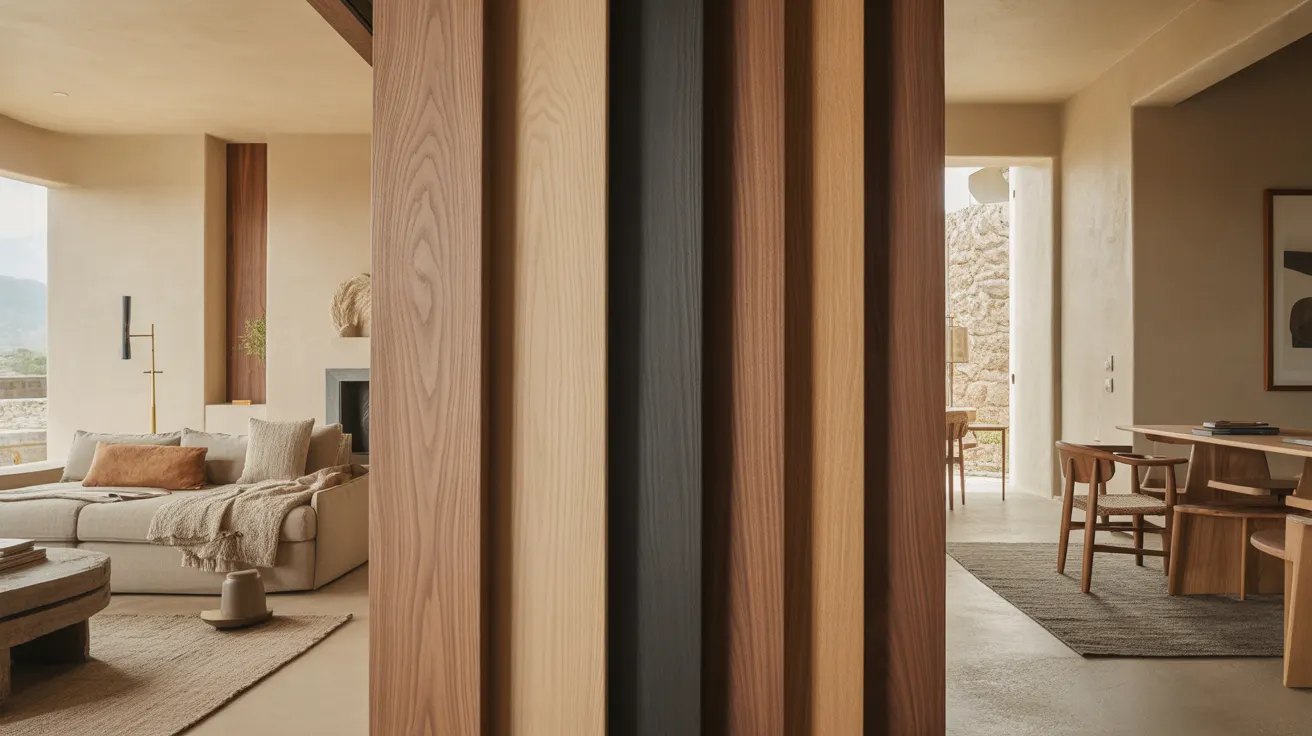
Compare solid wood types for furniture — oak, walnut, ash, mango, and acacia — by hardness, grain, color, and cost so you choose the right species for the job.
The right wood depends on the job. Oak is the durable, hard-wearing all-rounder; walnut is the rich, refined choice you pay more for; ash is hard and pale with bold grain at a friendlier price; mango is sustainable, warm-toned, and budget-friendly; and acacia is dense, highly durable, and dramatically grained for the money. This guide compares them by hardness, grain, color, stability, and cost — the things that actually decide which species belongs in your dining room, bedroom, or office.
How to Read a Wood Comparison
Before the species, three measures do most of the work. Get comfortable with them and any wood becomes easy to evaluate.
- Hardness (Janka rating). The Janka scale measures the force needed to press a small steel ball into the wood, in pounds-force (lbf). Higher means harder — more resistant to dents and scratches. A dining table or a kid's desk benefits from a higher Janka number; a bedroom dresser that takes less abuse doesn't need one.
- Grain. The pattern of the wood's fibers. Open, prominent grain (like oak and ash) hides scratches and adds visual texture; tight, fine grain (like walnut) reads as smooth and refined. Grain is partly durability and largely aesthetics.
- Stability. How much the wood moves with changes in humidity. More stable woods are less prone to warping and cracking — worth weighing if your home swings between dry winter heat and summer damp.
A reminder that pairs with all of this: "solid" is only half the story. A wood species means one thing in solid lumber and another as a thin veneer over a core — see solid wood vs. veneer vs. engineered wood for that distinction. Here we're comparing the species themselves.
The Five Woods at a Glance
| Wood | Janka (approx. lbf) | Color | Grain | Stability | Relative cost |
|---|---|---|---|---|---|
| Oak (white) | ~1,350 | Light tan to honey-brown | Bold, open, pronounced | Very good | $$ |
| Walnut | ~1,010 | Deep chocolate-brown | Fine, straight, rich | Good | $$$$ |
| Ash | ~1,320 | Pale cream to light blond | Bold, straight, prominent | Good | $$ |
| Mango | ~1,070 | Golden-brown, varied | Varied, sometimes streaked | Good | $ |
| Acacia | ~1,700–2,300+ | Warm brown, multi-tonal | Dramatic, swirling, varied | Very good | $$ |
Janka figures vary by species variant and source; treat them as relative, not absolute.
Oak: The Durable All-Rounder
Oak — especially white oak — is the workhorse of furniture wood, and for good reason. It's hard (around 1,350 lbf), with a prominent open grain that's both attractive and forgiving: that texture hides the small scratches and dents of daily life better than a smooth surface ever could. It's dimensionally stable, takes stains and finishes well (from pale natural to deep fumed tones), and resists wear, which is why it's a favorite for dining tables and high-use pieces.
The classic distinction: white oak has a tighter grain, a cooler tone, and better water resistance than red oak, which is more porous and pinker. For furniture, white oak is generally the more versatile, premium choice. Oak's trade-off is weight and a look so familiar it can read as expected rather than special. If you want one wood that does almost everything well, oak is the safe, smart answer.
Oak suits dining tables, desks, and any high-use surface where durability and a forgiving grain matter most.
Walnut: The Refined Splurge
Walnut is the wood people fall in love with. Its deep, chocolate-brown color and fine, straight grain give it a quiet richness that needs no stain — most walnut furniture is finished clear to let the natural tone speak. It's the species most associated with mid-century and high-end modern design, and it commands the highest price of the group because the trees grow slowly and the look is so prized.
Worth knowing: walnut is actually a touch softer than oak or ash (around 1,010 lbf), so it dents a little more easily — its value is in beauty, not brawn. Over time it tends to lighten slightly and develop a warm patina. It's stable and ages gracefully, but it's a wood to choose for refinement and presence rather than maximum toughness.
Walnut suits statement dining tables, sideboards, desks, and bedroom pieces where a rich, refined look justifies the premium.
Ash: Pale, Hard, and Underrated
Ash deserves more attention than it gets. It's nearly as hard as oak (around 1,320 lbf) but lighter in both weight and color — a pale cream to soft blond — with a bold, straight grain similar to oak's. That combination makes it excellent for bright, airy, Scandinavian-leaning interiors, and it takes stain beautifully if you want to push it darker. It's also a favorite for bentwood and shaped pieces because it flexes well without breaking.
Ash typically costs less than walnut and often less than premium oak, which makes it one of the better values in hardwood furniture. Its main consideration is that pale wood shows certain marks (like dark scuffs) more than a darker species would, and the look is light and casual rather than formal.
Ash suits light, modern rooms, dining and bedroom furniture, and shoppers who want oak-level hardness in a paler, friendlier-priced wood.
Mango: The Sustainable Value
Mango wood comes from mango trees that have finished their fruit-bearing life, which gives it a strong sustainability story — it uses a tree that would otherwise be cut and discarded, and the trees grow quickly. It's a warm golden-brown, often with attractive natural color variation and occasional darker streaking, and it's a medium-hard wood (around 1,070 lbf) — durable enough for everyday furniture without being as tough as oak or acacia.
Its appeal is value and warmth: mango furniture typically costs less than oak, walnut, or ash, and each piece has natural variation that gives it character. The trade-offs are that color and grain vary noticeably from piece to piece (lovely to some, inconsistent to others), and it's a bit softer, so it suits moderate-use furniture better than the hardest-working surfaces.
Mango suits budget-conscious buyers who want real solid wood with warmth and character, and anyone drawn to its sustainability angle.
Acacia: Dense, Durable, and Dramatic
Acacia is the toughest wood in this group by a wide margin — Janka ratings commonly run from about 1,700 to well over 2,300 lbf depending on the variety — which makes it remarkably resistant to dents, scratches, and even moisture. It's a dense hardwood with a dramatic, swirling grain and rich multi-tonal color (warm browns with darker and lighter streaks) that makes each piece distinctive, all at a mid-range price.
The flip side is consistency: that bold grain and color variation won't suit someone who wants a calm, uniform look, and it's a heavy, dense wood. But for sheer durability per dollar with real presence, acacia is hard to beat.
Acacia suits high-use dining tables, families and busy homes, and anyone who wants maximum durability with bold, characterful grain at a reasonable price.
Choosing the Right Wood for the Job
Quick guidance by priority:
- Maximum durability: acacia, then oak or ash.
- Most refined look: walnut.
- Best value in real hardwood: mango, then ash.
- Light, airy rooms: ash, then white oak.
- Sustainability story: mango (and reclaimed or FSC-certified options of any species).
- One wood that does it all: white oak.
If you're combining wood pieces from different species in one room — say a walnut table with an oak console — the species' undertones matter as much as their color. Our guide to mixing wood tones covers how to make different woods read as intentional rather than mismatched.
Shop this guide
- 67" Walnut and Black Solid Wood Oval Dining Table
- 47" Acacia Live Edge Rounded Solid Wood And Brass Dining Table
The Short Version
Choose the wood by the job, not by reputation alone. Oak is the durable, forgiving all-rounder; walnut is the refined splurge you buy for its rich color, not its hardness; ash gives oak-level toughness in a paler, more affordable package; mango offers real solid wood with warmth, character, and a sustainability story at a friendly price; and acacia is the durability champion with dramatic grain for the money. Compare them on hardness (Janka), grain, color, and cost, and remember to check that you're getting solid wood — not a veneer of it — for the piece you care about.
Ready to compare woods in person? Shop Dining and check the species and construction listed on each piece — the wood is half the quality, and how it's built is the other half.
Frequently asked questions
What is the best wood for a dining table?
For a daily-use dining table, prioritize hardness: acacia is exceptionally durable, and white oak and ash are excellent, hard-wearing, forgiving choices. Walnut is beautiful but a touch softer, so it's chosen for its looks more than its toughness. Match the species to how hard the table will be used.
Is oak or walnut better for furniture?
Neither is universally "better." Oak is harder, more durable, and less expensive — the practical all-rounder for high-use pieces. Walnut is softer but richer-looking and more premium. Pick oak for toughness, walnut for beauty.
What is the most durable wood for furniture?
Acacia is one of the most durable common furniture woods, with a Janka hardness often well above oak's. Oak and ash are also very hard. Compare the Janka rating if dent and scratch resistance is your priority.
Is mango wood good quality?
Yes — mango is a genuine, medium-hard solid hardwood that's durable enough for everyday furniture, with attractive warm color and natural variation, often at a lower price than oak or walnut. Its sustainability story (it reuses trees past their fruit-bearing life) is a real plus. Just expect more variation in color and grain from piece to piece.
Which wood is best for a light, modern room?
Ash and white oak are the standouts for bright, airy interiors thanks to their pale-to-honey tones and clean, prominent grain. Both fit Scandinavian and warm-minimalist looks well, and both can be stained darker if you change your mind later.