Materials & Quality
Martindale Rub Count: Fabric Durability Explained for Sofas
7 min read
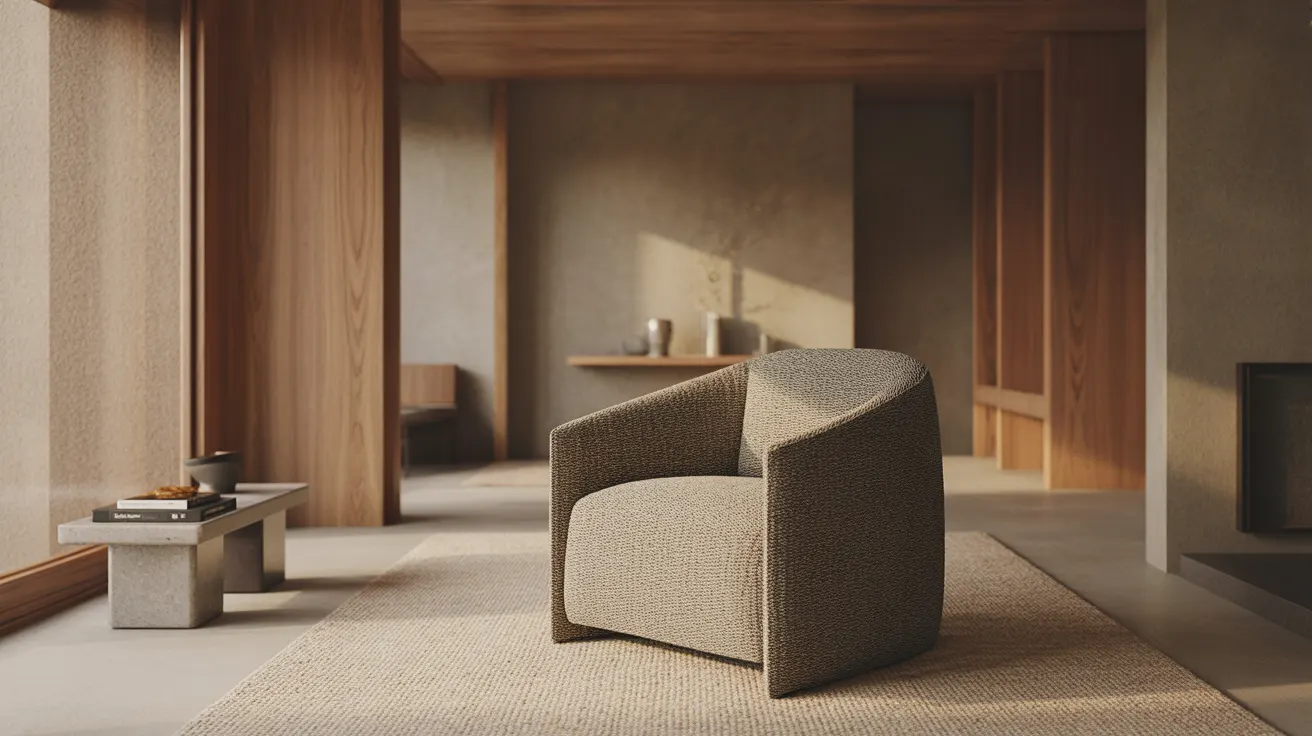
What is a Martindale rub count, and how many rubs do you need? Compare durability thresholds, double rubs, and pilling so you pick fabric that lasts.
The Martindale rub count is a lab measure of how much abrasion an upholstery fabric can take before it shows wear — the higher the number, the more rubbing it survives. For a sofa used daily, look for roughly 25,000 rubs or more; 15,000 to 25,000 suits light-to-moderate use, and anything under 15,000 is best kept to decorative pieces. It's a useful durability signal, but it's not the whole story — weave, fiber, and how you treat the fabric matter just as much.
What the Martindale Test Actually Measures
Martindale is a standardized abrasion test (originally European, now used worldwide). A machine rubs a small disc of worsted wool or wire mesh against the fabric in a continuous figure-eight motion, and technicians count how many cycles — "rubs" — pass before the fabric shows defined signs of wear: a broken thread, noticeable surface change, or pilling. That cycle count is the Martindale rating.
In other words, it simulates the friction your fabric endures from people sitting, sliding, and getting up, day after day. A higher count means the fabric tolerates more of that friction before it starts to look worn. It does not measure stain resistance, fading, water resistance, or how a fabric handles pets' claws — those are separate properties. Martindale is specifically about abrasion.
How Many Rubs Do You Need?
This is the question that actually matters at the shelf. Here are practical thresholds by how the piece will be used.
| Use case | Recommended Martindale | Notes |
|---|---|---|
| Decorative / occasional | 10,000–15,000 | Accent chairs, formal pieces rarely used |
| Light domestic | 15,000–20,000 | Guest rooms, low-traffic seating |
| General domestic (daily) | 20,000–25,000 | The realistic floor for a main sofa |
| Heavy domestic | 25,000–40,000 | Family rooms, kids, daily lounging |
| Commercial / contract | 40,000+ | Offices, hospitality, very high traffic |
For most homes, a main sofa wants at least 25,000 rubs, and a busy family room benefits from 30,000 or more. Don't fixate on chasing the absolute highest number, though — past a point, the count tells you more about how the fabric was engineered than about how it'll feel. A 100,000-rub commercial fabric isn't twice as good in your living room as a 40,000-rub one; it's built for an airport lounge. Match the rating to the room.
Martindale vs. Double Rubs (Wyzenbeek): A Translation
If you're shopping in the US, you'll often see a different number: double rubs, from the Wyzenbeek test. It's the American counterpart to Martindale and measures the same idea — abrasion resistance — but with a different machine (a fabric pad slid back and forth in a straight line) and a different unit. The two don't convert exactly, because the testing methods differ, but here's a rough working guide.
| Durability level | Martindale (rubs) | Wyzenbeek (double rubs) |
|---|---|---|
| Light domestic | ~15,000 | ~9,000–15,000 |
| General domestic | ~20,000–25,000 | ~15,000–25,000 |
| Heavy domestic | ~30,000 | ~25,000–30,000 |
| Heavy duty / commercial | 40,000+ | 30,000–100,000+ |
The key takeaways: treat them as two different scales, not interchangeable numbers, and don't compare a Martindale figure on one fabric directly against a double-rub figure on another. As a rough rule of thumb, 15,000 double rubs is a common minimum for residential upholstery, and 25,000+ double rubs is solid for a daily sofa. When a listing gives you both, use whichever matches the test your other options report so you're comparing like with like.
Why Rub Count Isn't the Whole Story
A high Martindale number is reassuring, but several other factors shape how a fabric actually wears in your home.
- Weave tightness. A tightly woven fabric resists snagging and abrasion better than a loose one at the same fiber. Loose weaves snag on zippers, buttons, and claws regardless of rub count.
- Fiber type. Synthetics like polyester and acrylic generally test and wear well; natural linen is beautiful but softer and prone to relaxing and pilling; wool is durable and resilient. Performance fibers are engineered specifically for abrasion and cleanability.
- Pilling resistance. A fabric can survive abrasion (high Martindale) yet still pill — form those little surface balls. Pilling is rated separately (often 1–5, higher is better). Ask about both if pilling bothers you.
- Pattern and texture. A textured or patterned fabric hides wear and crumbs far better than a flat solid, which can make a lower-rated fabric look good for longer in real life.
- How you treat it. Sunlight fades fabric regardless of abrasion rating; rotating cushions and cleaning spills promptly extends life more than a few thousand extra rubs ever will.
This is why rub count is one input, not the verdict. It pairs naturally with fiber choice — we compare the three most common sofa fabrics in our guide to bouclé vs. linen vs. performance fabric, where durability, feel, and cleanability come together.
Performance Fabrics and Rub Count
"Performance fabric" usually refers to upholstery engineered for stain resistance and easy cleaning — and many of these also carry high abrasion ratings, because the same engineering that repels spills tends to produce a tough, tightly constructed weave. That combination of cleanability and durability is why performance fabrics have become the default for families, pets, and high-use rooms. If you want the full picture on what the label means and how to read it, see what performance fabric actually is. Just remember the two properties are distinct: a high rub count tells you about abrasion, not about whether a glass of red wine will wipe away.
How to Use Rub Count When You Shop
- Decide the use level for the piece — occasional, daily, or heavy-duty family use.
- Find the rating on the spec sheet, and note whether it's Martindale or double rubs (Wyzenbeek). Where the supplier states fabric details, they're in the product description; a rub count is rarely listed, so ask if it matters to you.
- Compare like with like — same test type across your options.
- Cross-check the other factors — weave tightness, fiber, pilling rating, and texture.
- Order swatches to feel the weave and texture in person; a number can't tell you whether you'll like sitting on it.
The Short Version
Martindale rub count tells you how much abrasion an upholstery fabric can take before it shows wear — aim for about 25,000 rubs for a daily sofa and 30,000+ for a busy household. In the US you'll often see the equivalent double-rub (Wyzenbeek) figure instead; treat the two as separate scales and compare like with like. But don't stop at the number: weave tightness, fiber, pilling resistance, and how you care for the fabric all decide how it actually ages. Use the rub count to set a floor, then choose on feel and cleanability.
Ready to compare fabrics? Shop Sofas and check the durability rating on each piece, then order swatches to feel the weave before you decide.
Frequently asked questions
What is a good Martindale rub count for a sofa?
For a main sofa in daily use, aim for at least 25,000 rubs; 30,000 or more is better for busy family rooms. Light-use or guest-room pieces are fine at 15,000–20,000, and decorative-only furniture can go lower. Above 40,000 is commercial-grade and more than most homes need.
What's the difference between Martindale and double rubs?
They're two different abrasion tests measuring the same idea. Martindale (used internationally) rubs in a figure-eight; double rubs come from the American Wyzenbeek test, which slides back and forth in a line. The numbers don't convert exactly, so compare fabrics using the same test rather than mixing the two scales.
Does a higher rub count always mean a better fabric?
Not necessarily. A very high count means strong abrasion resistance, but it says nothing about stain resistance, fading, pilling, or how the fabric feels. A 100,000-rub commercial fabric isn't better in a living room than a well-chosen 30,000-rub one — it's built for far heavier traffic. Match the rating to your actual use.
Will a high Martindale fabric still pill?
It can. Abrasion resistance (Martindale) and pilling resistance are rated separately. A fabric can survive heavy rubbing yet still form surface pills, so if pilling concerns you, check the pilling rating (often scored 1–5) in addition to the rub count.
Is rub count the most important thing in choosing sofa fabric?
It's important but not the only factor. Weave tightness, fiber type, pilling and stain resistance, texture, and sun exposure all shape how a fabric wears in real life. Use rub count to rule out fabrics that are too delicate for your use, then choose among the survivors on feel, cleanability, and look.