Frequently Asked
What Is Performance Fabric — and When Is It Worth It?
5 min read
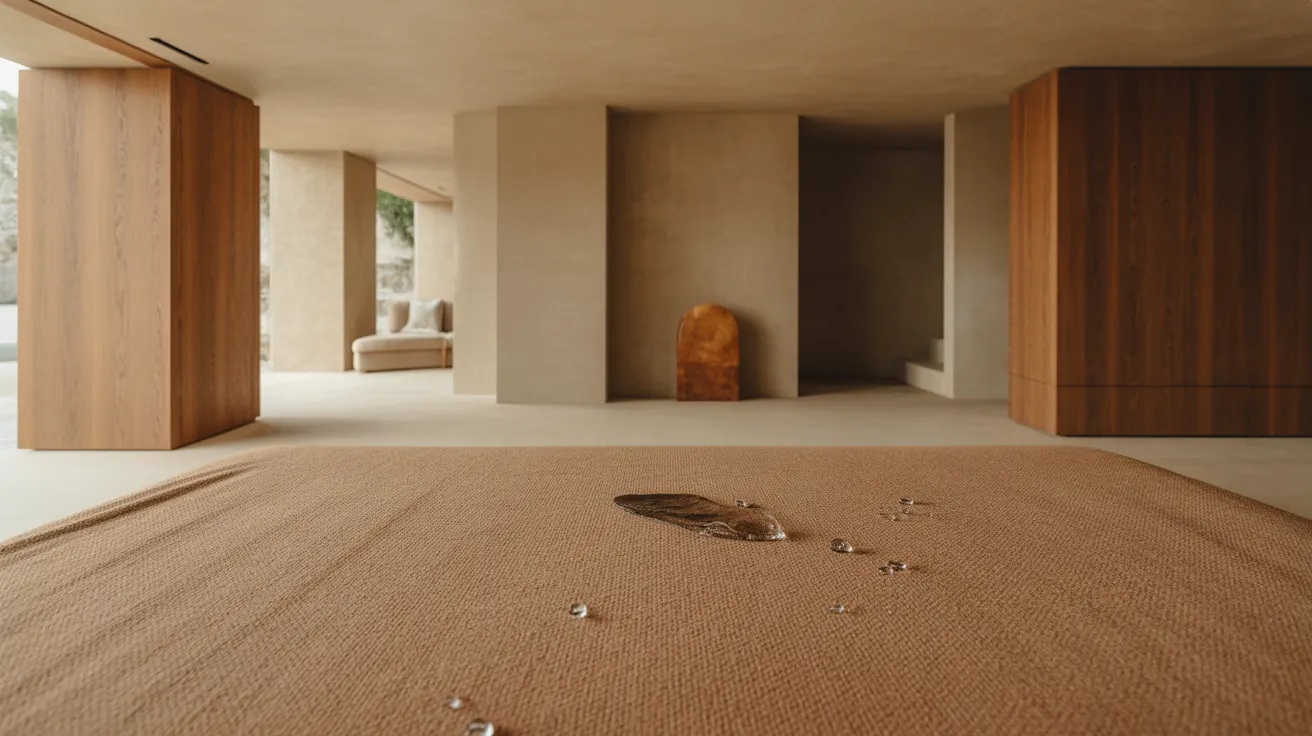
Performance fabric is upholstery engineered to resist stains, fading, and wear. Here's how it works, what it costs you in feel, and when it's worth it.
Performance fabric is upholstery engineered to resist stains, moisture, fading, and abrasion better than conventional fabric. It achieves this through inherently durable fibers — such as solution-dyed acrylic, olefin, or high-grade polyester — or protective treatments applied during manufacturing, or both. Originally developed for outdoor and marine use, it's now common on everyday sofas and chairs.
That's the definition. The more useful questions are how it actually works, what you give up for the durability, and whether your household is the kind that needs it. Let's take those in order.
How performance fabric actually works
There are two routes to "performance," and it's worth knowing which one you're buying.
Engineered fibers. In solution-dyed fabrics, color is added to the liquid polymer before the fiber is spun — the color runs all the way through, like a carrot rather than a radish. The result resists fading dramatically: solution-dyed acrylics are rated for 1,500 hours or more of direct light exposure without significant color loss, which is why they dominate outdoor furniture. Olefin (polypropylene) is similar — inherently stain-resistant because the fiber itself absorbs almost no moisture.
Applied treatments. The second route takes a conventional fiber, often polyester, and adds a stain-repellent finish at the mill. Liquids bead on the surface instead of soaking in, giving you a window — often several minutes — to blot a spill before it becomes a stain. Treatments work well but can diminish over years of cleaning and friction, while engineered fibers keep their properties for life.
Many performance fabrics combine both. On a spec sheet, the tell-tale signs are phrases like "solution-dyed," "stain-resistant," a high double-rub count, and a "W" or "W/S" cleaning code.
What the numbers mean
Durability in upholstery is measured in double rubs — a machine test that simulates the wear of sitting down and getting up. For context:
- 15,000+ double rubs: suitable for everyday residential use
- 30,000+: heavy-duty residential — busy family sofas
- 50,000–100,000+: commercial grade; many performance fabrics test in this range
A performance fabric at 50,000 double rubs isn't just marketing; it's tested to take several times the friction of a standard cotton blend. Pair that with stain resistance and colorfastness, and you have a fabric built for the loud part of life.
What performance fabric does well
- Spills. Wine, coffee, juice, and sauce bead up and blot away if you get to them reasonably quickly. Most performance fabrics clean with water-based cleaners (code "W"), the easiest regimen there is.
- Sun. Solution-dyed fabrics shrug off the window-side fading that visibly ages conventional upholstery in 2 to 3 years in a bright room.
- Friction. High double-rub counts mean arms, seat edges, and cushion tops wear evenly instead of thinning and pilling.
- Pets and kids. Tight performance weaves resist claw snags better than loops and slubs, and clean up after muddy paws without drama.
What it doesn't do
Honesty matters here, because "performance" can sound like "invincible." It isn't.
- It isn't stain-proof. A spill left overnight can still set, especially oils. The fabric buys you time; it doesn't absolve you of blotting.
- It can feel different. Some performance weaves run cooler, smoother, or slightly synthetic to the hand compared with the dry softness of linen or the springy loft of bouclé. The gap has narrowed enormously — good performance fabrics now mimic linen and chenille convincingly — but if fabric feel is your highest priority, judge by swatch, not spec sheet.
- It doesn't fix bad construction. A performance cover on sagging foam is a durable cover on a worn-out sofa. Fabric is one layer of quality, not the whole story.
When it's worth it
Performance fabric earns its keep when your sofa lives a demanding life:
- Kids under ten in the house. The math is simple: one prevented juice stain pays for the upgrade.
- Dogs or cats who share the furniture — especially paired with a tight weave and a mid-tone color.
- Light-colored upholstery. A cream or oatmeal sofa in performance fabric is a reasonable choice; in untreated natural fiber it's an act of faith.
- Bright, sun-soaked rooms — south- and west-facing windows are slow-motion bleach.
- Daily-use sofas. The one in front of the TV, not the one in the formal room.
When it isn't
Skip the performance premium if the sofa lives a quieter life. A guest-room loveseat, a formal sitting room used twice a month, or a bedroom bench doesn't need 50,000 double rubs. And if you love the lived-in rumple of real linen or the cloud texture of wool bouclé, in a calm household those fabrics will reward you in ways a synthetic can't — see our side-by-side of bouclé, linen, and performance fabric for how the three actually compare in daily life. (Bouclé owners: it has its own care logic, covered in our bouclé sofa care guide.)
Upholstery differs piece by piece, so match the fabric to the room's workload rather than the other way around — browse sofas and compare the fabric stated on each piece.
The short version
Performance fabric is upholstery built to resist stains, fading, and friction — through solution-dyed or inherently durable fibers, protective finishes, or both. It's measurably tougher (look for 30,000+ double rubs and a "W" cleaning code), genuinely easier to live with, and slightly different in hand-feel than natural fibers. Worth it for kids, pets, pale colors, sunny rooms, and everyday sofas; optional for quiet rooms and committed linen lovers.
See where it fits in your home: Shop Sofas and check the fabric options on the pieces you're drawn to.
Frequently asked questions
Is performance fabric the same as outdoor fabric?
They're cousins. Outdoor fabrics are performance fabrics with extra emphasis on UV and mildew resistance. Indoor performance fabrics borrow the same fiber technology but are tuned for softness and drape. Most outdoor fabrics can come inside; not all indoor performance fabrics should go outside.
How long does a performance fabric sofa last?
The fabric itself typically outlasts the cushions. With a quality frame and foam, expect the cover to look presentable for 10 or more years of family use — roughly double what a light-duty natural weave endures under the same conditions.
Can you wash performance fabric?
Check the cleaning code. Most carry "W" (water-based cleaning) — blot spills, then clean with mild soap and water. Some slipcovered versions are machine-washable, but only if the maker says so; high heat can damage applied finishes.
Is performance fabric safe and comfortable for everyday lounging?
Yes. Modern performance weaves are soft, breathable, and free of the stiff, tarp-like feel of early generations. If you're sensitive to fabric texture, order a swatch — feel varies more between individual fabrics than between the performance and natural categories as a whole.
Does performance fabric cost more?
Often there's a modest premium over standard fabrics at the same quality tier, though pricing varies by maker and fabric line. Weigh it against the cost of professional cleaning — or early reupholstery — on a high-traffic sofa.