Frequently Asked
How to Choose an Accent Chair: Comfort, Scale, and Style
6 min read
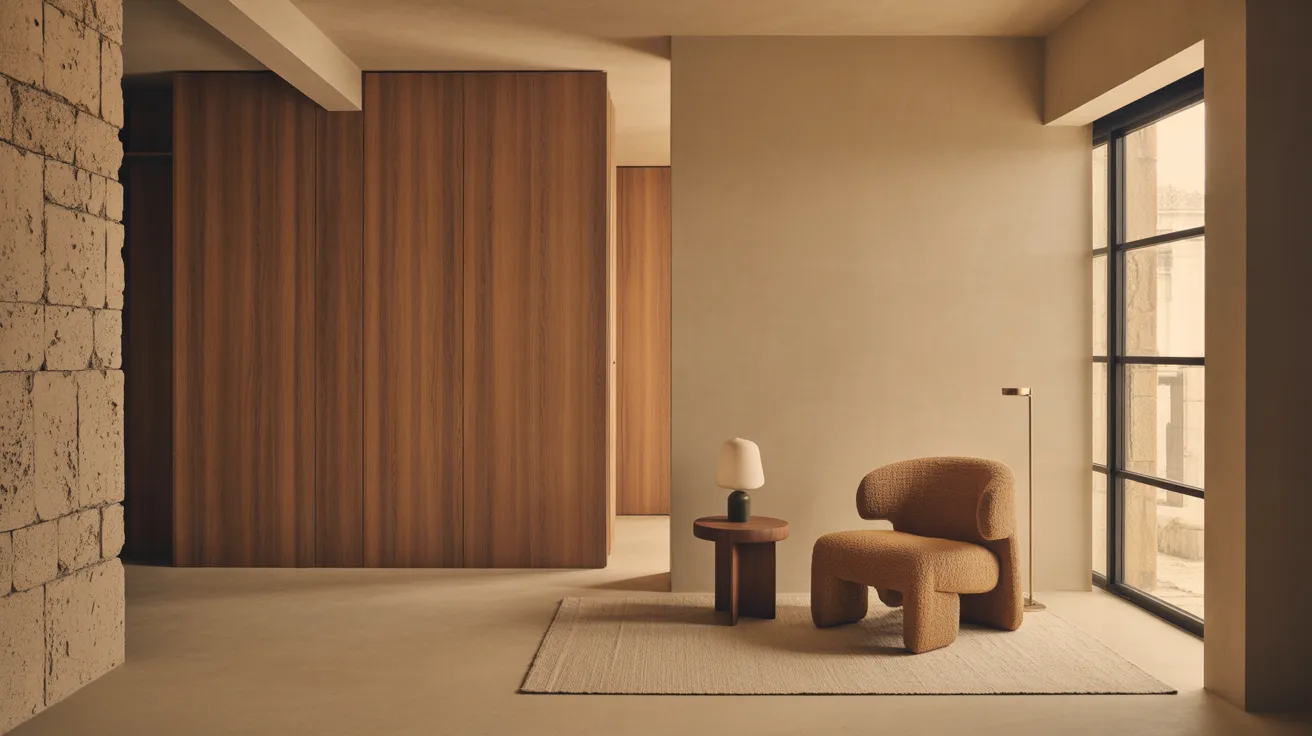
An accent chair guide covering scale, seat height and depth, reading-chair comfort, and how to place one. Practical numbers in inches to get the fit right.
Choose an accent chair in this order: how you'll use it, whether it fits the room, then how it looks. Decide first if it's for real sitting (reading, conversation, a daily perch) or mostly for balance and a pop of texture — that one call sets your comfort priorities. Then check scale against the sofa and the floor space. Style comes last, and it's the easy part once the chair actually fits and feels right.
Here is the full sequence, with the measurements that keep a good-looking chair from becoming the seat nobody uses.
Step 1: Decide the job before the look
An accent chair earns its place one of three ways. Knowing which one yours is doing tells you what to prioritize.
- A real seat. A reading chair or a daily perch needs genuine comfort: supportive back, the right depth, and a height you can rise from easily. Cushioning and ergonomics matter more than drama here.
- A conversation chair. Pulled near the sofa for guests, it needs to be comfortable for a stretch of talking and light enough to angle or move.
- A statement piece. Placed to balance a room or add sculptural shape and texture, it can lean more toward form — but it should still be sit-able, or it reads as decoration nobody trusts.
If reading is the goal, you're really building a corner, not just buying a chair. Our guide to creating a reading nook covers the chair, the light, and the side table as one small system.
Step 2: Size the chair to the room and the sofa
A chair that's beautiful but out of scale throws off the whole seating group. Here are the dimensions worth knowing.
| Measurement | Comfortable range | Why it matters |
|---|---|---|
| Overall width | 28–35 in. | Fits most corners; wider lounge chairs read bulky |
| Overall depth | 30–38 in. | Don't forget the footprint behind the chair |
| Seat height | 17–19 in. | Easy to sit and stand; match near the sofa |
| Seat depth | 20–22 in. | Supports the back without dangling feet |
| Backrest height | 30–42 in. | Taller backs support the head; lower backs feel airy |
| Clearance around it | 30+ in. to walk, 18+ in. to a side table | Keeps the chair reachable and the path open |
A few scale rules that prevent mismatches:
- Keep seat heights close. A chair within an inch or two of the sofa's seat height (usually 17 to 19 inches) keeps the seating group level and conversation comfortable. A chair much lower or taller than the sofa looks accidental.
- Don't out-bulk the sofa. A single chair shouldn't visually compete with the sofa. In a small room, a slimmer profile — armless or low-arm — keeps things breathing.
- Leave room to walk. Aim for 30 inches of clear path on a main route, and at least 18 inches between the chair and a side table so a lamp and a cup have somewhere to land.
Measure the chair's full depth, including any back angle or recline, before you commit. A wingback or a lounge chair with a deep recline can eat a surprising amount of floor.
Step 3: Test the comfort numbers (if it's for sitting)
For any chair you'll actually use, three measurements predict how it feels.
- Seat depth (front of cushion to backrest): 20 to 22 inches suits most people for upright sitting. Deeper than that — toward 24 inches — invites lounging but leaves shorter sitters perched on the edge or feet dangling.
- Seat height (floor to top of cushion): 17 to 19 inches is the easy-rise range. Lower lounge seats look relaxed but ask more of the knees; taller seats suit anyone who finds standing up hard.
- Backrest height and angle: a back of 40 inches or more supports the head and shoulders for long reading; a lower back, around 30 to 34 inches, feels lighter and works for conversation perches.
If the chair is your reading seat, lean deeper, lower, and higher-backed. If it's mostly for hosting and a quick chat, upright and firmer serves better and is easier to leave.
Step 4: Choose material and shape for the room
Once it fits and feels right, the fun part. Let the existing pieces lead.
- Texture is the point. An accent chair is a good place to introduce a fabric you wouldn't cover a whole sofa in — bouclé, a warm weave, or leather adds contrast to a plain sofa.
- Color, used calmly. A deeper or warmer tone than the sofa adds depth; a tonal, close-to-neutral chair reads quiet and timeless. Either works — loud is optional.
- Shape against the sofa. A curved or barrel chair softens a room of straight lines; a clean-lined chair sharpens a room that's gone soft. Aim for contrast, not a matched set.
- Arms or no arms. Arms add comfort and presence; armless chairs save space and slip into tight corners. Swivel bases add flexibility in open-plan rooms where the chair faces two directions.
A practical note for reading chairs: pair the chair with a floor lamp set so the light falls over your shoulder onto the page, around 47 to 49 inches to the bottom of the shade when seated. Our floor lamp buying guide covers the heights and placement.
Where to place an accent chair
Placement is half the effect. A few reliable spots:
- Angled beside the sofa, facing in, to complete a conversation group.
- In an empty corner, with a lamp and a small table, to turn dead space into a reading nook.
- Flanking a fireplace or window in a pair, for symmetry and a sense of intention.
- Across from the sofa as the second seat in a two-piece arrangement, where its comfort matters most.
Whatever the spot, keep it reachable: a clear walkway, a surface within arm's reach for a cup or a book, and light nearby.
Shop this guide
- 25" Cream and Black Chenille and Metal Slipper Chair
- 28" Green And Brown Velvet Arm Chair
- Beige and Dark Brown Boucle and Solid Wood Wingback Chair
The short version
Decide the chair's job first — real seat, conversation chair, or statement piece — because that sets your comfort priorities. Size it to the room: 28 to 35 inches wide, a seat height (17 to 19 inches) close to your sofa's, with 30 inches of walkway around it. For reading, lean deeper, lower, and higher-backed, and add light over your shoulder. Choose a texture, tone, or shape that contrasts the sofa rather than matching it, then place it angled into the seating group or tucked into a corner with a lamp.
Ready to find yours? Shop Living and filter by the seat height and width you measured.
Frequently asked questions
What size accent chair do I need?
Most accent chairs run 28 to 35 inches wide and 30 to 38 inches deep. Choose one whose seat height (17 to 19 inches) is close to your sofa's, and leave at least 30 inches of clear walkway around it.
Should an accent chair match the sofa?
No — contrast usually looks better. Pick a chair that differs from the sofa in texture, tone, or shape, while staying in the same overall style family. A matched set can read flat and showroom-like.
What makes a good reading chair?
Comfort for the long haul: a seat depth of 20 to 22 inches, a seat height around 17 to 19 inches for easy rising, and a taller back (40 inches or more) that supports your head. Add a floor lamp and a side table within reach.
Can two accent chairs replace a sofa?
In a small space or a second seating zone, yes. A pair of chairs around a small table makes a flexible, conversation-friendly group and is easier to move than a sofa. For a primary living room, most people still want a sofa as the anchor.
How far should an accent chair be from the sofa?
Close enough to talk easily — generally within a few feet — while keeping a 30-inch walkway clear on main paths and at least 18 inches to any side table. Angling the chair slightly toward the sofa keeps conversation comfortable.
Are swivel accent chairs worth it?
In open-plan rooms, often yes. A swivel lets one chair face the TV, the conversation, or the window without rearranging. In a fixed, formal layout, a static chair reads calmer and costs less.