Comparisons
How to Create a Reading Nook (in Any Room, Any Size)
7 min read
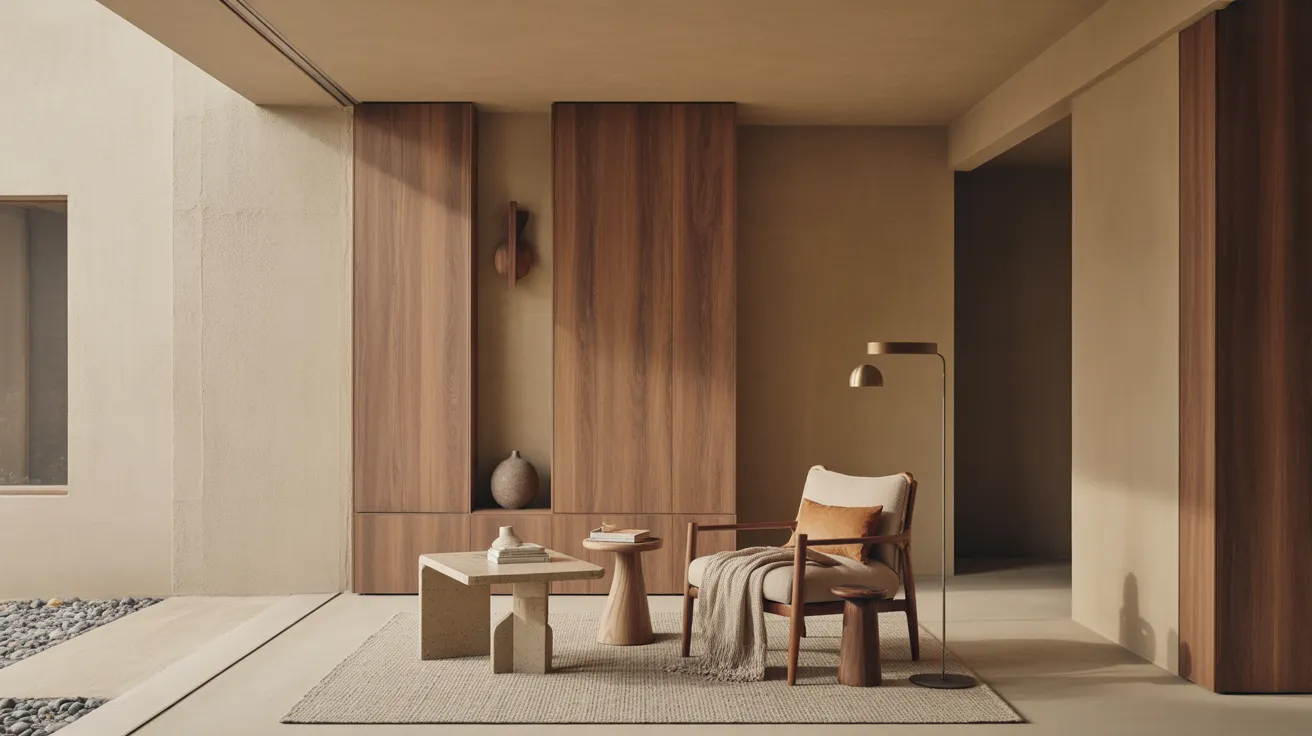
Build a reading nook that you'll actually use. The chair-light-surface trio, lighting numbers that prevent eye strain, and nooks for corners and bay windows.
A reading nook doesn't need its own room — it needs three things in the right relationship: a chair you sink into, light that falls over your shoulder, and a surface within arm's reach for a mug and a book. Add a little softness and a sense of enclosure, and an unused corner becomes the spot you reach for every evening. This guide covers the trio, the lighting numbers that keep your eyes comfortable, and how to adapt it to a corner, a bay window, or the foot of a bed.
What makes a nook feel like a nook
The word "nook" is doing real work: it implies enclosure, a sense of being tucked away. That feeling is what separates a reading corner from a chair that happens to be in a room. You create it with a few cues — a chair angled into a corner, a rug defining a small zone, a lamp casting a pool of warm light, maybe a curtain or a tall plant softening one edge. None of it is expensive. It's about boundaries: making a small area feel separate from the larger room.
Pick the spot with three things in mind. Natural light by day (near a window is ideal). Quiet — away from the TV and the main traffic path. And a corner or alcove if you have one, because two walls do half the enclosure work for you.
The trio: chair, light, surface
Everything else is optional. These three are not.
The chair
The chair is the heart of the nook, and comfort beats looks here — you're going to sit in it for an hour at a stretch. Look for supportive back cushioning, a seat depth that lets you either sit upright or curl up (around 20 to 22 inches works for most people), and arms at a height where your elbows rest naturally. A wingback or a chair with a higher back adds to the sense of enclosure. A small armchair with an ottoman lets you put your feet up, which is the difference between reading and napping — both worthwhile.
Choosing the chair is the decision the whole nook hangs on. Our accent chair guide covers comfort, proportion, and how to judge a chair you can't sit in before buying.
The light
Reading light is where most nooks fail. Overhead light alone casts shadows on the page and tires your eyes; you want a dedicated light source positioned to fall over your shoulder onto the book. A floor lamp beside and slightly behind the chair is the classic solution — the light comes from behind you, hits the page, and doesn't glare. A swing-arm or adjustable lamp lets you aim it. A warm bulb (2700–3000K) keeps the corner cozy; too cool and it feels like an office.
The surface
You need somewhere to set a mug, your phone, your glasses, and the book you're not currently reading. A small side table, a stool, or a stack of sturdy books does it. Keep it at roughly armrest height so reaching for your tea doesn't mean leaning down. A surface with a small drawer or a lower shelf hides the clutter readers accumulate.
Lighting numbers that prevent eye strain
Comfortable reading light is specific. Use these as targets.
| Lighting element | Target | Why |
|---|---|---|
| Lamp position | Beside and slightly behind the chair | Light falls over the shoulder, not into your eyes |
| Bottom of shade height | At or just below eye level when seated (~40–42") | You see light on the page, not the bulb |
| Bulb color temperature | 2700–3000K (warm white) | Cozy, easy on the eyes for long sessions |
| Brightness | ~400–800 lumens for the reading lamp | Bright enough for text without glare |
| Backup layer | A dimmable overhead or a second small lamp | Fills shadows; sets the mood between reading |
The shade-height rule is the one that quietly fixes most nooks. If you can see the bare bulb from your seated position, the lamp is too high or the shade too short, and you'll get glare. Lower it until you see the pool of light on the page but not the source itself. For a deeper walk-through of heights, beam spread, and placement, see our floor lamp buying guide.
Add softness and enclosure
Once the trio works, a few layers turn functional into inviting:
- A throw blanket over the arm — the single most-used object in any reading nook.
- A couple of pillows for lumbar support and to curl against.
- A small rug to define the zone and warm the floor underfoot.
- A plant to soften a hard corner and bring a little life.
- A curtain, screen, or tall plant on the open side if you want more enclosure in a busy room.
Keep the palette calm and the textures soft — this is a corner about comfort, so lean into wool, linen, and warm wood rather than anything cold or slick.
Three nooks for three spaces
The corner nook. The easiest win. Angle the chair across the corner so it faces into the room, tuck a floor lamp behind one shoulder, set a side table on the other, and ground it with a small rug. The two walls behind you supply the enclosure.
The bay-window or window nook. A bay or wide windowsill is a built-in alcove. A cushioned bench or a chair pulled close to the glass makes the most of the daylight. Add a reading lamp for after dark, since a window gives you nothing once the sun is down.
The bedroom or small-space nook. No spare corner? A compact chair and a small lamp at the foot of the bed or in an unused corner is enough. In truly tight spaces, a floor cushion or a small chaise against the wall with a wall-mounted swing-arm lamp keeps the footprint tiny while still reading as a dedicated spot.
A quick worked example
Picture a living-room corner by a window. A small wingback angled across the corner, an ottoman in front, a wool throw over one arm. To the right and slightly behind, a floor lamp with a warm bulb and the shade bottom around 41 inches, so the light lands on the page. To the left, a small side table with a drawer at armrest height holding a mug and reading glasses. Underfoot, a soft 4x6 rug defines the zone, and a trailing plant softens the open edge. Daylight covers afternoons; the lamp takes over at night. Total footprint: about five by five feet, carved from a corner that was empty before.
The chair, lamp, side table, ottoman, and textiles all live in the living category. Browse living room furniture and accents and start with the chair — get the comfort right and the rest falls into place.
Shop this guide
- 30" Off White and Natural Faux Fur And Wood Arm Chair
- 65" Black Adjustable Traditional Shaped Floor Lamp
- Beige And Ivory Microfiber Animal Print Plush Throw Blanket
The short version
- Build the trio: a comfortable chair, a shoulder-height reading light, and a surface within reach.
- Position the lamp beside and slightly behind you; shade bottom near seated eye level; warm bulb (2700–3000K).
- Add a throw, a pillow or two, a small rug, and one element of enclosure to make it a nook.
- Pick a quiet spot with daylight, ideally a corner where two walls do the enclosing.
- Adapt to what you have: a corner, a bay window, or a compact setup at the foot of a bed.
Ready to claim your corner? Shop Living for reading chairs, floor lamps, side tables, and the soft layers that make a nook worth returning to.
Frequently asked questions
What do you need for a reading nook?
Three essentials: a comfortable chair, a dedicated reading light positioned over your shoulder, and a small surface within arm's reach. Then add a throw, a pillow or two, a small rug, and a touch of enclosure to make it cozy.
Where should the light go in a reading nook?
Beside and slightly behind the chair, so light falls over your shoulder onto the page rather than into your eyes. Keep the bottom of the shade at or just below seated eye level and use a warm bulb around 2700–3000K.
How do you make a cozy reading corner in a small space?
Use a compact chair or a floor cushion, a wall-mounted or slim floor lamp to save surface space, and a small rug to mark the zone. Tuck it into an unused corner or the foot of a bed and lean on soft textiles for warmth.
What kind of chair is best for a reading nook?
A supportive chair with a seat depth around 20 to 22 inches, comfortable arm height, and good back cushioning. A higher back adds enclosure, and an ottoman lets you put your feet up for longer sessions.
How big does a reading nook need to be?
Surprisingly little — about five by five feet is plenty for a chair, a small table, and a lamp. A corner does much of the work, so you rarely need a dedicated room.
How do you make a reading nook feel enclosed?
Angle the chair into a corner so two walls sit behind you, define the floor with a small rug, cast a pool of warm lamplight, and soften the open side with a curtain, a screen, or a tall plant.