Comparisons
Wool vs. Jute vs. Synthetic Rugs: An Honest Comparison
6 min read
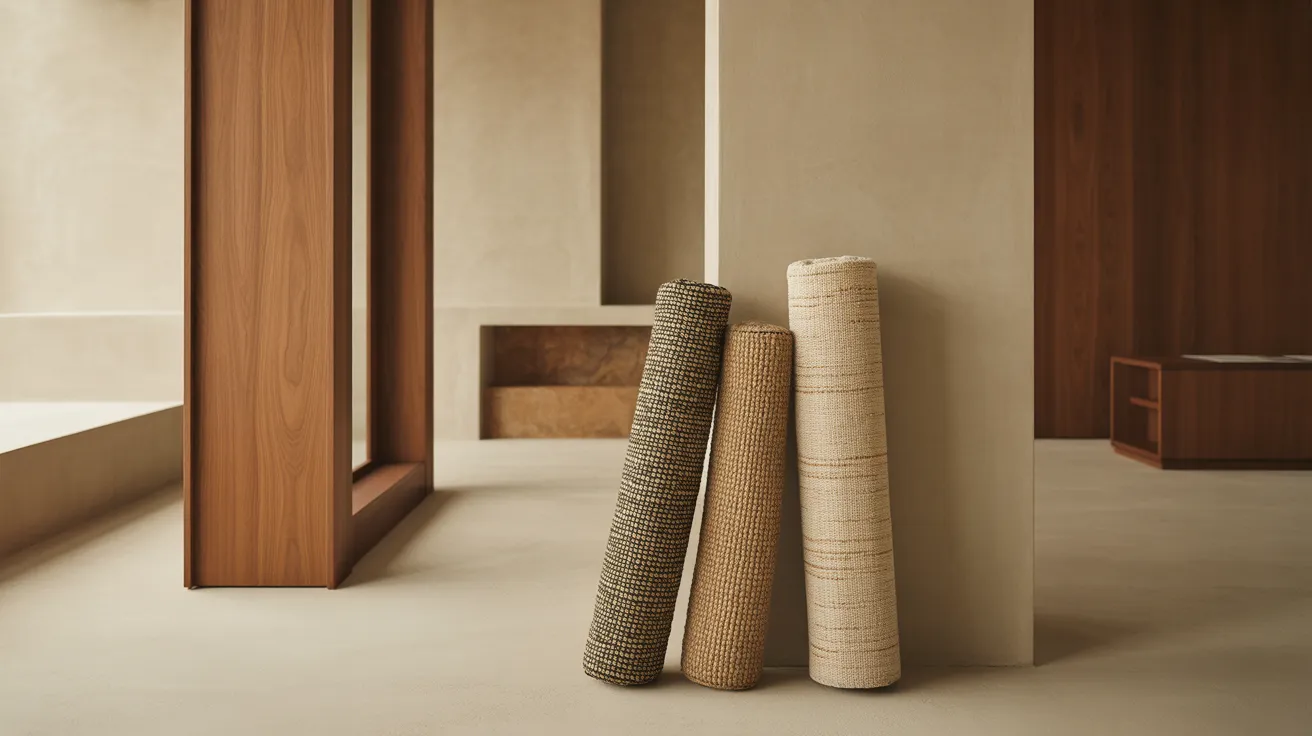
Wool, jute, or synthetic? An honest look at durability, softness, cleaning, and cost — plus which rug fiber fits each room of a real home and lifestyle.
The short answer: wool is the best all-around rug fiber if you can invest in it — soft, durable, and naturally stain-resistant. Jute wins for texture and value in low-mess, dry rooms. Synthetics (polypropylene, polyester, nylon) win wherever life gets messy: kids, pets, dining rooms, entryways. There's no single "best rug material" — there's a best material for each room, and this guide will help you match them.
What Actually Separates These Fibers
A rug's fiber determines four things you'll live with daily: how it feels underfoot, how it handles spills, how long it keeps its looks, and how much attention it demands. Style is negotiable; fiber behavior isn't. So before you fall in love with a pattern, decide what the rug needs to survive.
One sizing note before we compare: a beautiful fiber in the wrong size still fails the room. If you haven't settled on dimensions yet, our rug size guide covers the 8x10-vs-9x12 question and the front-legs-on rule in detail.
Side-by-Side Comparison
| Wool | Jute | Synthetic (Polypropylene, Polyester, Nylon) | |
|---|---|---|---|
| Feel underfoot | Soft, dense, springy | Firm, nubby, natural | Soft to medium; varies by weave |
| Durability | Excellent — decades with care | Good in dry, moderate traffic | Good; nylon best, polyester fades fastest |
| Stain resistance | Naturally repellent (lanolin) | Poor — absorbs moisture, water-spots | Excellent, especially solution-dyed polypropylene |
| Cleaning | Blot spills; professional clean every 1–2 years | Dry methods only; vacuum often | Easiest — many tolerate scrubbing or hosing |
| Shedding | Moderate for the first 3–6 months | Sheds fibers and dust | Minimal |
| Moisture/humidity | Handles it reasonably | Weakness — avoid bathrooms, basements, damp climates | Handles it well; many are indoor/outdoor |
| Best rooms | Living room, bedroom | Bedrooms, layered bases, low-traffic dens | Dining rooms, entries, kids' rooms, outdoor |
| Relative cost | Highest | Low to moderate | Lowest to moderate |
| Lifespan (typical) | 20+ years | 3–7 years in regular use | 3–10 years depending on fiber and traffic |
Wool: The Long-Term Investment
Wool earns its reputation honestly. The fibers have a natural crimp that springs back underfoot, so a quality wool rug resists the crushed traffic lanes that flatten lesser rugs within a couple of years. Lanolin — wool's natural oil — gives spills a brief grace period sitting on the surface before they soak in. Blot quickly and most accidents never become stains.
The trade-offs are real, though. Wool sheds noticeably for the first three to six months (vacuum without a beater bar and it settles down). It absorbs more moisture than synthetics, so it's the wrong call for a covered patio or humid basement. And it's the most expensive fiber here — fair, given it can outlast several synthetic rugs, but a genuine consideration if you're furnishing several rooms at once.
Wool is the right call when the rug anchors a room you'll keep for years — a living room or bedroom where comfort and longevity justify the cost.
Jute: Texture First, Forgiveness Second
Jute is a plant fiber, and it looks like one — warm, woven, architectural. Nothing grounds a room with natural texture quite like it, which is why designers reach for jute as a layering base: an 9x12 jute rug with a smaller wool or patterned rug on top gives you texture and softness for less than one giant wool rug.
But be honest about jute's limits. It's the least forgiving fiber with liquid: water can leave permanent marks, and a pet accident is usually game over. It's firm underfoot — pleasant to some, scratchy to bare feet that expected plush. And in humid rooms it can degrade or develop a musty smell. Keep jute in dry rooms with moderate traffic and it rewards you; put it under a dining table and you'll regret it by the third dinner party.
Jute is the right call when you want natural texture on a budget, in a dry room, without heavy spill risk — bedrooms, reading corners, or as a layering base.
Synthetics: The Honest Workhorse
"Synthetic" covers several fibers, and the differences matter:
- Polypropylene (olefin): The most stain-resistant of all, especially solution-dyed versions where color runs through the fiber rather than sitting on it — meaning bleach-cleanable and seriously fade-resistant. The go-to for dining rooms and indoor/outdoor use.
- Polyester: Soft and affordable, often made from recycled material. Its weakness is resilience — fibers crush in traffic lanes — and oily stains cling to it.
- Nylon: The most durable synthetic, bouncing back from crushing better than the others. Usually costs more than polypropylene.
The synthetic rug pros and cons in one breath: unbeatable practicality and price, but less depth of feel than wool, and a shorter peak — most synthetics look their best for the first 3–5 years, then plateau. For a kids' playroom or a rental, that's exactly the right trade.
Synthetic is the right call when spills are a "when," not an "if" — dining areas, entries, family rooms, homes with pets, and anywhere outdoors.
Choose Wool If / Choose Jute If / Choose Synthetic If
Choose wool if:
- This rug anchors your main living space and you want it to last a decade or more.
- You value softness and a dense, quality feel underfoot.
- You can blot spills promptly and schedule an occasional professional clean.
Choose jute if:
- You want warm, natural texture and a relaxed, organic look.
- The room is dry, and food, drink, and pets mostly stay out of it.
- You're layering: jute base, softer rug on top.
Choose synthetic if:
- Kids, pets, or red wine are regulars in the room.
- The rug lives in a dining room, entryway, hallway, or outdoors.
- You want the easiest cleaning routine possible, at the friendliest price.
The Short Version
Match the fiber to the room's worst day, not its best. Wool for the rooms you're investing in long-term. Jute for dry, calm spaces where texture is the point. Synthetic for everywhere life actually happens — meals, paws, muddy shoes. And if a rug arrives and the fiber isn't what you hoped underfoot, a 30-day return window means the decision isn't permanent.
Found your fiber? Browse Area Rugs — you can filter by material to see only wool, jute, or easy-care synthetics.
Frequently asked questions
Is wool or jute better for a living room?
Wool, for most homes. Living rooms see daily traffic and the occasional spill — wool handles both. Jute works in a formal or low-use living room, or as a base layer under a wool rug.
Do jute rugs shed a lot?
Yes, especially when new, and they release fine plant dust over their lifespan. Regular vacuuming (suction only, no beater bar) keeps it manageable. If shedding is a dealbreaker, choose a synthetic.
Are synthetic rugs safe and non-toxic?
Mainstream polypropylene and polyester rugs are widely used in homes, including nurseries. If indoor air quality is a priority, look for low-VOC certifications on the specific rug and air it out after unrolling.
Which rug material is best with dogs?
Solution-dyed polypropylene. Accidents clean up without staining, claws don't snag loops easily on flatweaves, and replacement — if it comes to that — won't hurt like wool. Wool is the second choice; jute is the last.
Can you put a jute rug in a dining room?
We'd advise against it. Dropped food and drips work into the weave, and jute tolerates only dry cleaning methods. A solution-dyed synthetic gives you the same casual texture with none of the anxiety.
How long should a good rug last?
Wool: 20 years or more with care. Nylon: 8–10 years in normal traffic. Polypropylene: 3–5 years at its best, longer in low-traffic rooms. Jute: 3–7 years, heavily dependent on dryness and traffic.