Sizing Guides
What Size Rug Do You Need? The Complete Rug Size Guide for Every Room
6 min read
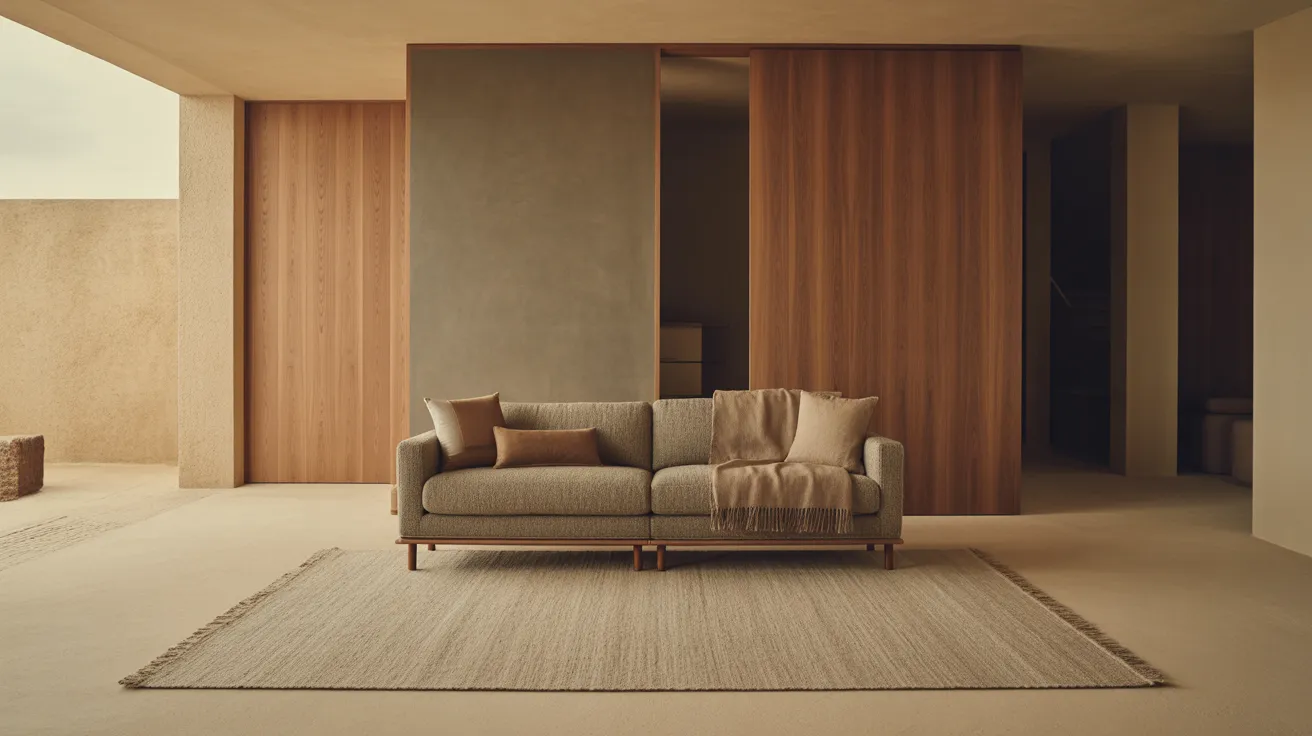
Find the right rug size for every room. Standard rug dimensions, sofa and bed placement rules, and a clear size chart for living, dining, and bedrooms.
For most living rooms, the answer is an 8x10 or 9x12 rug — large enough for the front legs of every seating piece to rest on it. In bedrooms, an 8x10 suits a queen bed and a 9x12 suits a king. One rule holds in every room: the rug should reach the furniture it serves and leave 12 to 18 inches of bare floor at the room's edges.
Below is the full breakdown, room by room, with the placement rules that make each size work.
Rug Sizes by Room: The Quick Chart
If you only need the number, start here. Everything after this table explains why these sizes work and how to confirm the fit in your own space.
| Room or setup | Recommended rug size | Placement rule |
|---|---|---|
| Living room, 12x18 ft or larger | 9x12 or 10x14 | Front legs of all seating on the rug |
| Living room, average (11x14 ft) | 8x10 | Front legs of sofa and chairs on the rug |
| Compact seating corner | 6x9 | Sofa front legs on; coffee table fully on |
| Bedroom, king bed | 9x12 | Rug extends 18–24 in. beyond each side |
| Bedroom, queen bed | 8x10 | Rug extends 18–24 in. beyond each side |
| Bedroom, full or twin | 6x9 or 5x8 | Rug extends at least 12 in. beyond each side |
| Dining table seating 4–6 | 8x10 | Chairs stay on the rug when pulled out |
| Dining table seating 6–8 | 9x12 | Same rule, larger table |
| Entryway | 3x5 or 4x6 | Clears the door swing |
| Hallway | 2.5x8 runner or longer | 4–6 in. of floor visible on each side |
What Size Rug for a Living Room?
Living rooms allow three placement approaches. The right rug size depends on which one you choose — and on being honest about your room's dimensions.
All legs on the rug
The most generous look. Every piece of furniture — sofa, chairs, coffee table — sits entirely on the rug, which means the rug defines the whole seating zone. You'll typically need a 9x12 at minimum, often a 10x14. Reserve this approach for rooms 12x18 feet and up; in smaller rooms it leaves too little bare floor and the rug reads as carpeting.
Front legs on the rug
The most reliable choice, and the one we recommend for most homes. The front two legs of the sofa and each chair rest on the rug; the back legs stay on the floor. This visually ties the furniture together while letting an 8x10 do the work of a larger rug. The rug should still extend 6 to 8 inches beyond each side of the sofa — a rug narrower than your sofa will always look undersized.
Floating rug
All furniture legs off the rug, with the rug centered under the coffee table. It can work in very small rooms with a 5x8, but it fails more often than it succeeds: the rug ends up looking like a postage stamp adrift in the room. If you're tempted by this layout to save money, a better move is a flatwoven 8x10 — or a layered pair, which we cover in our guide to layering and placing rugs.
What Size Rug Under a Bed?
In bedrooms, the rug's job is to greet your feet — so it needs to extend well past the sides of the bed.
- King bed (76 in. wide): 9x12, placed so 18 to 24 inches of rug show on each side and at the foot.
- Queen bed (60 in. wide): 8x10, same margins.
- Full or twin: 6x9 or 5x8.
Placement matters as much as size. Use the two-thirds rule: start the rug about a third of the way down the bed, just in front of the nightstands. This keeps the nightstands stable on the floor and puts the soft landing exactly where you step out.
If a large rug isn't in the budget, a pair of 2x6 or 2.5x7 runners flanking the bed delivers the same barefoot comfort for less.
What Size Rug Under a Dining Table?
One rule decides everything here: add 24 to 30 inches to every side of your table. That's the space a chair needs to slide back and stay on the rug — the moment a chair's back legs catch the rug's edge, every dinner becomes a small negotiation.
- A 36x60-inch table needs a rug at least 7.5x10 — in practice, an 8x10.
- A 40x72-inch table calls for a 9x12.
- A 48-inch round table pairs with an 8-foot round rug.
Match the rug's shape to the table's. And if you're still deciding on the table itself, our dining table size guide covers seat counts and clearances in detail.
Entryways and Hallways
Entry rugs are practical first, decorative second. A 3x5 or 4x6 handles most entries; just confirm your door clears the rug's pile — most doors need about half an inch of clearance, so go flatwoven or low-pile if it's tight.
For hallways, choose a runner that leaves 4 to 6 inches of floor visible along each side and stops about 6 inches short of each end of the hall. Standard runners begin around 2.5x8; long halls may take 2.5x12 or a custom length.
How to Test the Size Before You Buy
Five minutes with painter's tape removes all the guesswork:
- Measure your room and write down the dimensions.
- Tape the outline of the rug size you're considering on the floor.
- Check the rules above — furniture legs, walkway space, 12 to 18 inches of bare floor at the edges.
- Live with the tape for a day. If it feels tight when you walk through, size down — or rearrange.
Prefer a second opinion? Our design team can map rug sizes to your floor plan as part of a free design plan.
The Mistakes That Shrink a Room
- Buying too small. The single most common rug error. A 5x8 floating in front of a full-size sofa makes the whole room feel smaller, not cozier.
- Matching rug width to sofa width. The rug should outrun the sofa by 6 to 8 inches per side.
- Ignoring the walkways. Leave 12 to 18 inches of bare floor at the room's perimeter (8 inches is acceptable in small rooms).
- Forgetting the doors. Measure pile height against door clearance before you order.
Shop this guide
- 8' X 10' Sky Blue And Mauve Abstract Washable Indoor Outdoor Area Rug
- 5' X 8' Denim Blue And Blue Floral Washable Indoor Outdoor Area Rug
- 9' X 12' Olive Green And Green Damask Washable Indoor Outdoor Area Rug
The Short Version
Use 8x10 for most living rooms and queen bedrooms, 9x12 for large living rooms, king beds, and dining tables that seat six to eight. Keep front furniture legs on the rug in living rooms, extend 18 to 24 inches past each side of a bed, and add 24 to 30 inches around all sides of a dining table. Always leave 12 to 18 inches of bare floor at the room's edges — and when in doubt, tape it out first.
Found your size? Browse Area Rugs to find the texture and tone that grounds your room.
Frequently asked questions
Is an 8x10 rug big enough for a living room?
For most living rooms up to about 11x14 feet, yes — provided you use the front-legs-on placement and the rug extends past both sides of the sofa. Rooms larger than 12x18 feet usually need a 9x12.
Should a rug be bigger than the sofa?
Yes. The rug should extend 6 to 8 inches beyond each side of the sofa. A rug that's narrower than the sofa will look undersized no matter how it's placed.
What size rug goes under a queen bed?
An 8x10, positioned to show 18 to 24 inches of rug on each side and at the foot of the bed.
How much floor should show around a rug?
Leave 12 to 18 inches of bare floor between the rug and the walls. In small rooms, 8 inches still reads as intentional.
Can a rug be too big?
Yes. If the rug runs within a few inches of every wall, it reads as wall-to-wall carpet and you lose the framing effect — along with the contrast of the floor itself.
What size rug fits under a 60-inch dining table?
For a 36x60-inch rectangular table, use an 8x10 so chairs stay on the rug when pulled out. Larger tables step up to a 9x12.