Materials & Quality
The Seasonal Refresh: Updating Your Home Between Seasons
7 min read
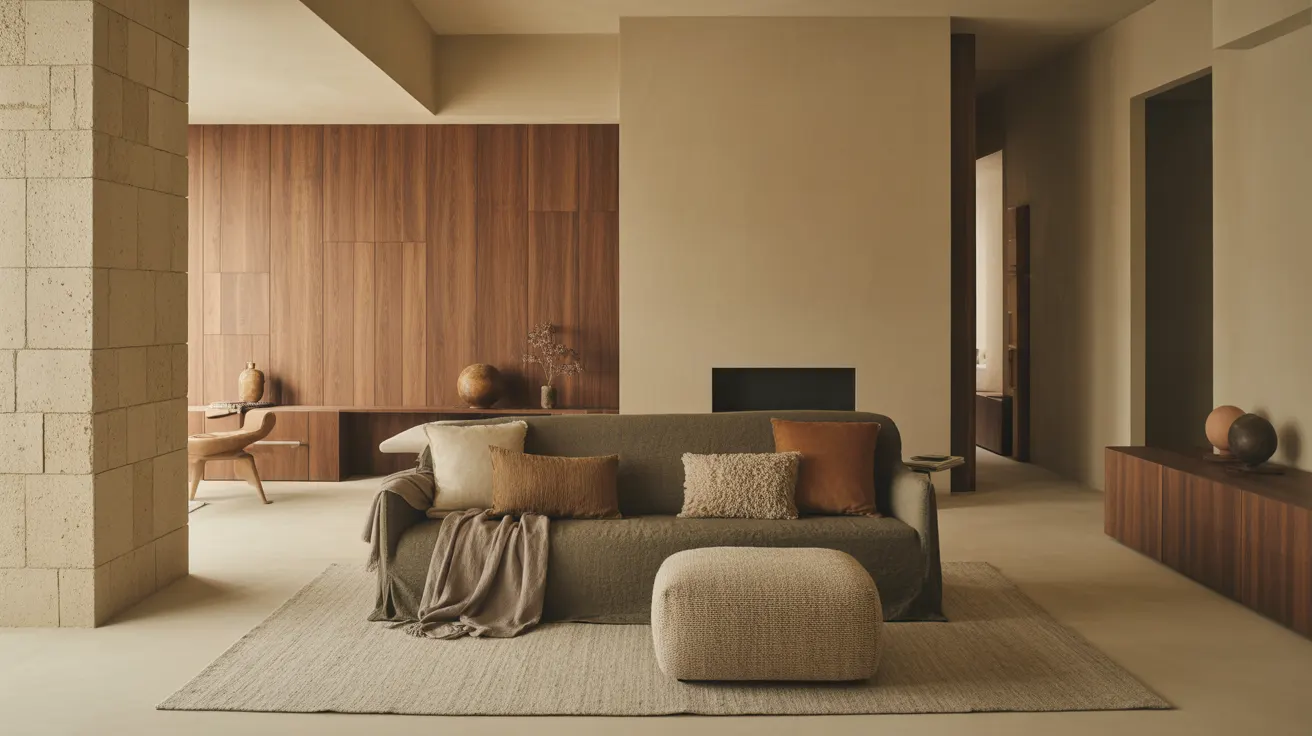
A seasonal home refresh without the overhaul: a simple swap system for textiles, light, and scent that shifts a room with the weather in one afternoon.
A seasonal refresh isn't a redecoration — it's a swap. The pieces that change how a room feels with the weather are small and few: textiles, light, scent, and a couple of surface accents. Keep your furniture and palette steady, change the soft, swappable layer, and a room shifts from cozy winter to airy summer in an afternoon. The trick is building a simple system you repeat four times a year instead of starting from scratch each time. Here's how.
Why you don't need to redecorate
The instinct each season is to buy new things. You don't. Your sofa, rug, tables, and wall color are the year-round bones — they don't change. What changes is the thin top layer your eye and hand actually register as "the season": the weight of a throw, the warmth of the light, the scent in the air.
This is freeing in two ways. It's cheap — a handful of textiles and a few accents, not a room of furniture. And it's fast — the whole shift is an afternoon of swapping, not a project. The goal is a home that feels current with the season, not a home you rebuild every quarter.
The five things actually worth swapping
Focus your energy and budget on the layers that carry the most seasonal feeling for the least effort and cost.
| Layer | Cool seasons (fall/winter) | Warm seasons (spring/summer) |
|---|---|---|
| Textiles | Heavy throws, knits, velvet, wool; warm tones | Light cotton/linen throws; airy, pale tones |
| Pillows | More pillows, deeper covers, richer texture | Fewer pillows, lighter covers, crisp weaves |
| Lighting | Warmer, dimmer, more lamps; candles | Brighter, cooler daylight; sheer-filtered light |
| Scent | Warm, spiced, woody | Fresh, green, citrus, floral |
| Accents | Darker stems, dried botanicals, layered rugs | Fresh greenery, lighter objects, bare floors |
Notice what's not on the list: the furniture, the rug-as-foundation, the paint. Leave the expensive, hard-to-change things alone. Seasonality lives in the cheap, swappable layer.
Textiles: the biggest lever
Soft goods do more seasonal work than anything else, because they change both how a room looks and how it physically feels. This is the engine of the whole refresh — the same logic behind adding warmth with textiles, applied on a seasonal clock.
- Throws: Swap chunky wool and knits in cool months for light cotton or linen in warm ones. A folded throw over the sofa arm is the single fastest seasonal signal.
- Pillows: Change covers, not inserts — store covers flat and rotate them. Heavier textures (bouclé, velvet, knit) and a fuller count in winter; lighter weaves and a leaner count in summer. (Our throw pillow guide covers counts and sizing.)
- Rugs: If you have two, lay a warmer, higher-pile rug or a layered second rug in cool months and a flatter, cooler one (or bare floor) in summer.
- Bedding: A heavier duvet and flannel or a lighter quilt and crisp cotton is the bedroom's whole seasonal story.
A smart system: buy covers and throws that share your year-round palette but vary in texture and weight. Then the swaps always coordinate, no matter how you mix them.
Light and scent: the invisible cues
These two change a room's mood without changing how it looks, and they're easy to forget.
- Light. In cool months, lean warm and low: more lamps, dimmers down, candlelight at night, a layered glow rather than one overhead fixture. In warm months, let in daylight — open the sheers, lift the heavy drapes, raise the lamp count down. Same bulbs, different layering. Even swapping to slightly warmer bulbs in fall shifts the whole feeling.
- Scent. The fastest seasonal cue of all, and the cheapest. Warm, spiced, and woody notes read as fall and winter; fresh, green, citrus, and floral read as spring and summer. A single candle or diffuser changed quarterly does what a roomful of decor can't.
Accents: a few surface changes
Last, refresh the surfaces — the coffee table, the shelves, the entry console — with a small number of seasonal touches:
- Greenery and stems. Fresh branches and flowers in spring and summer; dried botanicals, branches, or evergreens in fall and winter. Nature is the easiest seasonal accent, and often the cheapest.
- A few objects, swapped. Rotate a couple of decorative pieces — a lighter ceramic for summer, a darker or woodier one for winter — rather than re-styling every surface.
- Edit, don't add. A seasonal refresh is as much about removing as adding. Summer rooms feel lighter partly because there's simply less on the surfaces.
Keep the count low. The point is a fresh note, not a holiday display.
Build a repeatable system
The reason most people over-buy each season is that they start from zero every time. Build the system once:
- Keep your bones and palette constant all year — furniture, rug foundation, wall color.
- Own one cool-season and one warm-season set of the swappable layer: throws, pillow covers, a candle scent, a few accents.
- Store the off-season set together in one labeled bin so the swap is genuinely a one-afternoon job.
- Repeat four times a year, adding one or two new pieces per season at most — not a full set.
Done this way, the seasonal refresh costs little after the first year and takes an afternoon. A small, well-chosen stash of decor and textiles in your year-round palette is all the kit you need.
A season-by-season cheat sheet
- Spring: Lighten up — swap to linen throws and pale covers, bring in fresh greenery, lift the heavy drapes, switch to a green or floral scent, and edit surfaces down.
- Summer: Go airier still — minimal textiles, bare or flat floors, maximum daylight, crisp whites and cool tones, citrus scent.
- Fall: Warm it back up — knit and wool throws, fuller pillow counts, dried branches, warmer bulbs and more lamps, a spiced scent.
- Winter: Cozy peak — heaviest textiles, layered rugs, candlelight, dark stems or evergreens, a woody scent, the fullest texture of the year.
For the textile swap, a light cotton throw suits the warm months, a plush faux-fur throw the cool ones, and a linen-and-jute pillow gives a lighter weave.
Shop this guide
- 50" X 70" Beige Pink Orange and Green Cotton Kantha Floral Throw Blanket with Embroidery
- 70" X 50" Ivory Faux Fur Plush Throw Blanket
- Linen And Brown Jute Throw Pillow
The short version
- A seasonal refresh is a swap, not a redecoration — keep your furniture, rug, and palette constant.
- Change only the swappable layer: textiles, pillows, lighting, scent, and a few accents.
- Textiles are the biggest lever; light and scent are the invisible mood cues; keep accents minimal.
- Build a repeatable system: one warm set, one cool set, stored in labeled bins, swapped four times a year.
- Choose everything in your year-round palette so swaps always coordinate — and add only a piece or two per season.
A small, well-chosen rotation does all the work. Shop decor for the throws, pillows, and accents — in a calm, coordinating palette — that make a seasonal refresh effortless year after year.
Frequently asked questions
How do I refresh my home for each season without buying new furniture?
Keep your furniture, rug foundation, and wall color constant all year, and change only the swappable layer: throws, pillow covers, lighting, scent, and a few surface accents. The pieces that signal a season are small and cheap, so a refresh is an afternoon of swapping, not a redecoration.
What's the easiest way to make a room feel seasonal?
Textiles, light, and scent, in that order. Swap a heavy throw for a light one (or vice versa), adjust the lighting warmer or brighter, and change a candle or diffuser scent. Those three changes shift a room's whole feeling for very little money or effort.
How often should I change my decor with the seasons?
Four times a year is plenty — once per season. Many people simplify it to two swaps, a warm-season set and a cool-season set, which covers most of the visible difference and halves the work.
How do I store off-season decor so it's easy to swap?
Keep each season's swappable set together in one labeled bin — throws, pillow covers, accents, the seasonal candle. Store pillow covers flat and reuse the same inserts year-round. A single bin per season turns the swap into a one-afternoon job.
How do I refresh seasonally on a budget?
Build the system once and reuse it. Choose throws, covers, and accents in your year-round palette so they always coordinate, own one warm and one cool set, and add only one or two new pieces per season. After the first year, the cost is minimal because you're rotating, not rebuying.