Care & Logistics
Wood Furniture Care: Cleaning, Conditioning, and Protecting
8 min read
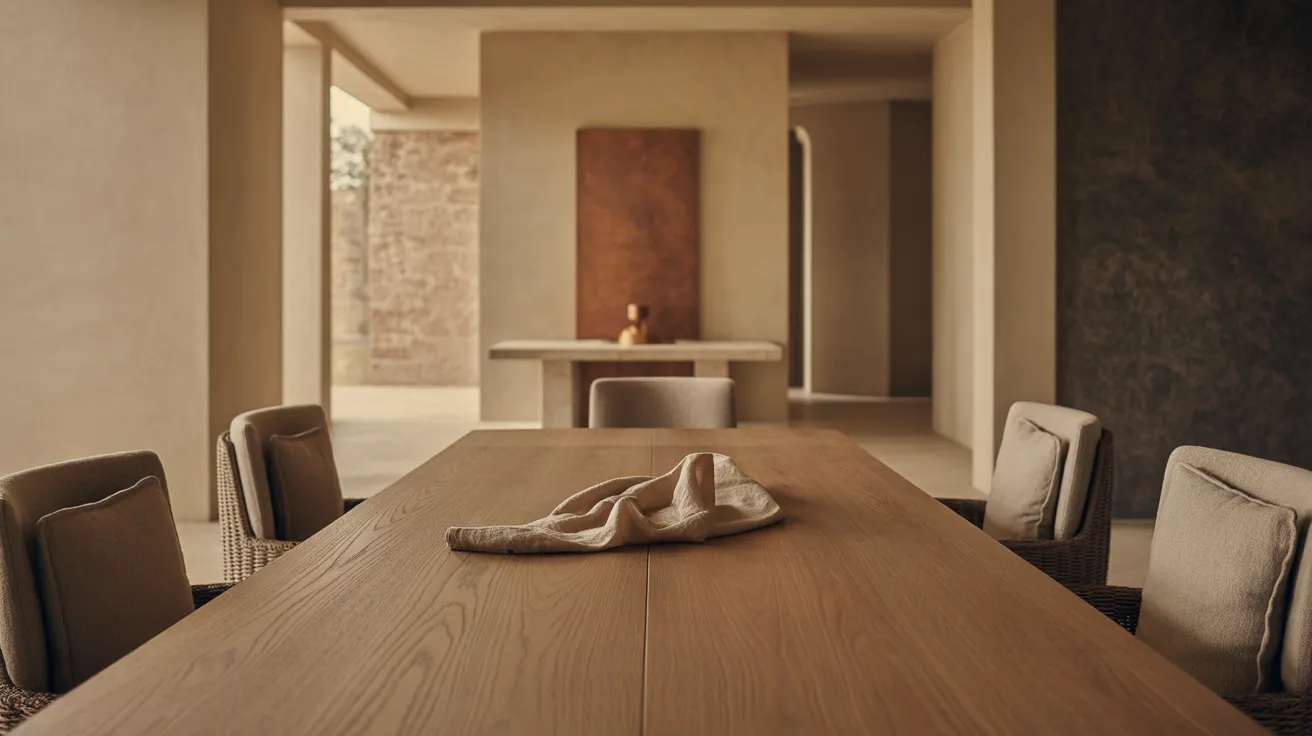
Wood furniture care made simple: routine cleaning, fixing water rings, conditioning, and protecting from sun and heat — by finish type, with a care schedule.
Wood furniture is built to last generations, and keeping it that way is mostly a matter of small, steady habits: dust regularly, wipe spills before they sit, protect the surface from heat, water, and sun, and refresh the finish once or twice a year. The single most important step comes first — identify your wood's finish, because a sealed dining table and an oiled side table want almost opposite care. Here's the complete routine, from weekly upkeep to lifting a water ring without damaging the wood.
First, know your finish
What's on top of the wood matters more than the species underneath. The finish determines what's safe to clean with, whether the piece needs oil, and how it'll react to water. Check the care information that came with your piece first — it overrides general advice, including ours.
There are two broad camps. A surface (film) finish — lacquer, varnish, polyurethane, shellac — sits on top of the wood as a protective layer and resists water and stains reasonably well. A penetrating (in-the-wood) finish — oil, wax, or oil-and-wax blends — soaks into the grain for a natural, matte feel but offers less surface protection and needs periodic re-oiling.
| Finish type | How to spot it | Cleaning approach | Refresh |
|---|---|---|---|
| Lacquer / varnish / poly | Slight sheen, smooth film, water beads | Damp wipe + mild soap; dry promptly | Rarely; polish occasionally |
| Oil finish | Matte, natural feel, water can darken | Damp wipe only, then dry; no soap soak | Re-oil 1–2x a year |
| Wax finish | Soft satin glow, fingerprints show | Dry/barely damp cloth; no water soak | Re-wax periodically |
| Painted | Opaque color, even surface | Mild soap + damp cloth | Touch-up paint as needed |
| Veneer over engineered core | Real wood face, uniform grain | Damp wipe; never soak edges | Treat as its surface finish |
A simple test when you're unsure: place a drop of water in a hidden spot. If it beads, you likely have a film finish. If it soaks in and darkens the wood, it's oiled or waxed and needs gentler, water-light care. For veneer pieces, the rule is the same as their top finish — with one addition: never let water sit at the edges or seams, where it can lift the veneer.
If you're still choosing between construction types, our guide on solid wood vs. veneer explains the trade-offs, and how to mix wood tones helps once you have more than one wood piece in a room.
Routine care: the weekly habit
Dust is mildly abrasive, so the simplest habit also matters most.
- Dust weekly with a soft, dry or barely damp microfiber cloth, wiping along the grain rather than across it. Dry the surface right after if you used any moisture.
- Skip the all-purpose spray. Most household cleaners contain solvents or ammonia that dull or damage wood finishes over time. Plain water on a wrung-out cloth handles routine cleaning; add a drop of mild dish soap only for sticky spots, then wipe clean and dry.
- Use coasters, trivets, and mats. Heat and moisture are wood's two everyday enemies — hot mugs, cold glasses, and dinner plates all leave marks. A felt-bottomed tray or placemats turn a dining table into a far more forgiving surface.
- Wipe spills immediately. Liquids left to sit will penetrate even a sealed finish at the edges and joints. Blot, don't rub.
- Lift, don't drag. Pulling chairs and tables across the floor stresses joints; lifting protects both the furniture and your floors. Felt pads under feet help.
Fixing water rings and common marks
Most marks are reversible if you catch them. The key is knowing whether the mark is in the finish or in the wood.
White rings or hazing sit in the finish and mean moisture got trapped — these are the easiest to fix. Dark rings or black spots mean water reached the wood itself, and those usually need refinishing or a professional. Start gentle and escalate only if needed; always test in a hidden spot first.
For a fresh white ring on a film finish:
- Try heat first. Lay a clean, dry cloth over the ring and pass a warm (not hot) iron over it for a few seconds at a time, checking between passes. The gentle heat coaxes trapped moisture out.
- Or try a mild abrasive. A dab of non-gel white toothpaste, or toothpaste mixed with a little baking soda, rubbed gently along the grain with a soft cloth, then wiped clean and buffed dry.
- Re-polish or re-oil the spot afterward to even out the sheen.
For minor scratches, a matching wax-fill stick or even a dab of the right-tone furniture wax can disguise the line. Sticky residue lifts with a barely damp cloth, never a scraper. For dents, deep gouges, or dark water stains, resist DIY chemistry — a professional refinisher will do less damage than aggressive home remedies.
Conditioning and protecting the finish
Wood and its finishes benefit from occasional nourishment, but the right product depends entirely on the finish.
- Oil finishes need re-oiling once or twice a year. Clean and dry the surface, apply a thin, even coat of the appropriate furniture oil with a soft cloth along the grain, let it absorb, then buff off the excess so nothing stays tacky.
- Wax finishes want a fresh, thin coat of paste wax periodically, buffed to a soft sheen.
- Film finishes (lacquer, varnish, poly) don't need oil at all — and oiling them just leaves a film that attracts dust. An occasional quality furniture polish (used sparingly) is enough.
- Avoid silicone-based and aerosol "spray shine" products. They build up, attract dust, and can complicate future refinishing.
Beyond the finish, two environmental factors quietly age wood: sunlight, which fades and yellows over years, and dry air, which can cause solid wood to crack as it loses moisture. Keep pieces out of constant direct sun (or rotate accessories so any fading is even), and in very dry climates or heated winter rooms, a humidifier helps wood stay stable. Sudden swings in temperature and humidity are harder on wood than any single condition.
What to avoid
- Ammonia, bleach, and all-purpose sprays — they dull, etch, or strip finishes.
- Soaking wood or leaving water to sit — especially at veneer edges and joints.
- Silicone sprays and heavy aerosol polishes — they build up and complicate refinishing.
- Oiling a film finish — it does nothing useful and attracts dust.
- Abrasive pads and scrapers — they scratch the surface permanently.
- Direct sun and nearby heat sources — the slow causes of fading and cracking.
- Dragging pieces across the floor — it loosens joints over time.
A simple care schedule
| Frequency | Task |
|---|---|
| Weekly | Dust along the grain with a soft cloth; dry any moisture used |
| As it happens | Wipe spills immediately; use coasters and trivets |
| Monthly | Check for sticky spots and clean gently; inspect joints |
| Every 6–12 months | Re-oil oiled pieces; re-wax waxed pieces; polish film finishes lightly |
| Seasonally | Manage humidity in dry months; reassess sun exposure |
| As needed | Professional refinishing for deep scratches, dents, or dark water stains |
The short version
Identify the finish first — film finishes resist water and need no oil, while oiled and waxed pieces need periodic re-oiling and gentler, water-light care. Dust weekly along the grain, wipe spills immediately, and protect the surface with coasters, trivets, and shade from direct sun. White water rings sit in the finish and usually lift with heat or mild toothpaste; dark rings need a professional. Avoid harsh cleaners, soaking, and silicone sprays, and a good wood piece will look beautiful for generations.
Choosing or pairing wood pieces for your home? Read solid wood vs. veneer and how to mix wood tones — and when you're ready to browse tables built to last, explore our dining collection.
Frequently asked questions
How do I clean wood furniture day to day?
Dust weekly with a soft, dry or barely damp microfiber cloth along the grain, and dry the surface afterward. Skip all-purpose sprays; plain water with an occasional drop of mild dish soap for sticky spots is safer for most finishes.
How do I remove a white water ring from a wood table?
White rings sit in the finish and are usually fixable. Try gentle heat — a dry cloth over the ring with a warm iron passed over it briefly — or a dab of non-gel white toothpaste rubbed along the grain, then re-polish. Test in a hidden spot first.
Should I oil my wood furniture?
Only if it has an oil or wax finish. Oiled pieces benefit from re-oiling once or twice a year; waxed pieces want fresh wax periodically. Film finishes like lacquer, varnish, and polyurethane don't need oil — oiling them just attracts dust.
Can I use vinegar to clean wood furniture?
It's best avoided as a routine cleaner. Vinegar is acidic and can dull or etch some finishes over time, especially oiled and waxed ones. A barely damp cloth, with a drop of mild dish soap only when needed, is safer and just as effective.
Why is my wood table cracking?
Usually dry air. Solid wood loses moisture in low humidity — common in heated winter rooms — and can crack as it shrinks. Keep furniture away from heat vents and direct sun, and use a humidifier in very dry conditions to keep the wood stable.
How do I protect a wood dining table from daily use?
Use coasters, trivets, and placemats to guard against heat and moisture, wipe spills immediately, and keep it out of direct sun. Re-oil or polish on schedule for its finish, and consider a tablecloth or table pad for messier meals or projects.