Trends
Biophilic Design: Bringing Nature Indoors
7 min read
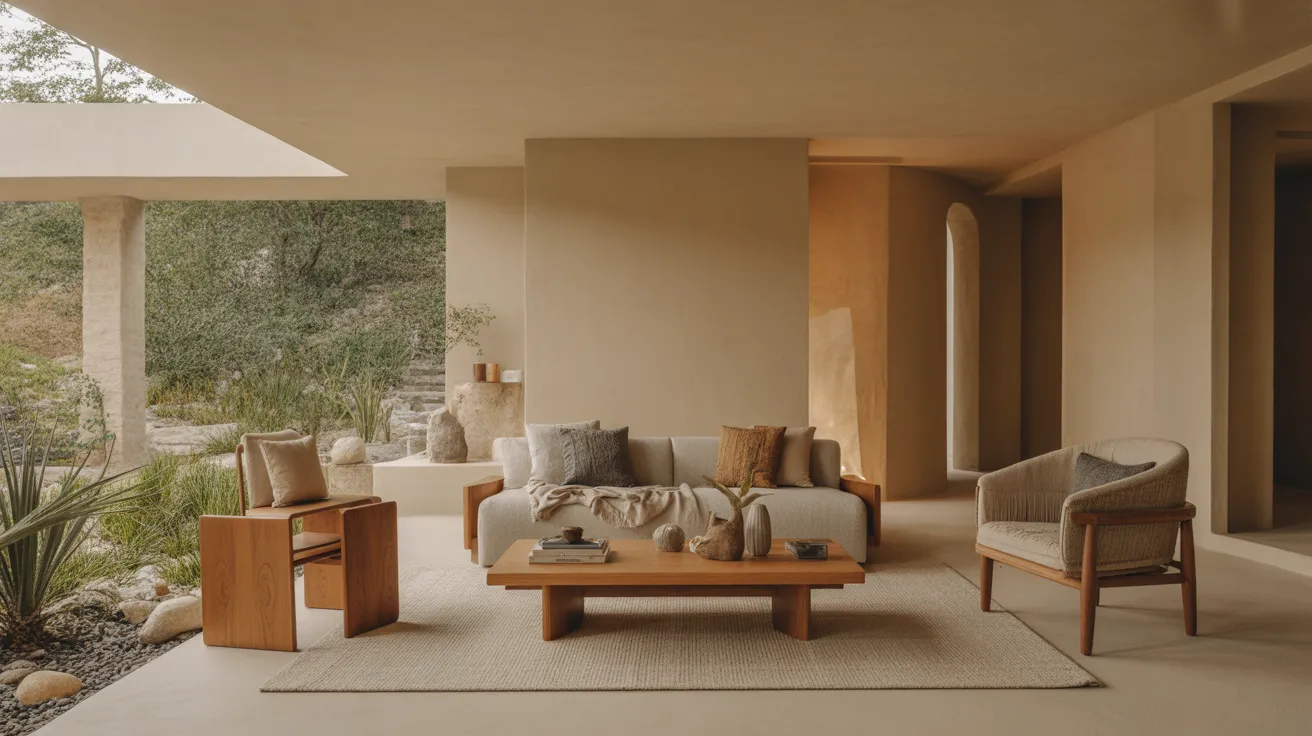
Biophilic design, explained: how natural light, plants, materials, and views make a home calmer and healthier — plus practical, room-by-room ways to apply it.
Biophilic design is an approach to interiors that strengthens our connection to nature — through natural light, living plants, natural materials, organic shapes, and views of the outdoors. The word comes from "biophilia," the idea that humans have an innate pull toward living things. At home, the payoff is practical as much as poetic: rooms designed this way tend to feel calmer, look warmer, and support better focus and rest. It isn't about turning your living room into a greenhouse. It's about borrowing the qualities of nature and weaving them into how a room is built, lit, and furnished.
Why Biophilic Design Works
The appeal isn't only aesthetic. A growing body of research has linked nature-rich environments to lower stress, better mood, and improved concentration — and designers have spent years translating those findings into spaces. You've felt the effect even if you've never named it: the calm of a room with a tree outside the window, the ease of working near daylight, the way a wood-and-linen space feels different from a plastic-and-fluorescent one.
Biophilic design gathers those instincts into a method. Rather than chasing a single look, it asks a more useful question: which qualities of the natural world is this room missing, and how do I bring them in? The answers tend to be layered — some light, some greenery, some material, some shape — and they compound. A room with all of them feels unmistakably alive.
The Core Elements of Biophilic Design
1. Natural light, treated as essential
Light is the first and biggest lever. Keep windows as unobstructed as the room allows, choose sheer or light-filtering treatments over heavy blackout layers in daytime rooms, and arrange furniture so seating faces or sits near the light rather than away from it. Where daylight is scarce, mirrors placed opposite or adjacent to windows multiply what you have. After dark, warm bulbs around 2700K mimic the low, golden light of evening far better than cool white.
2. Living plants, chosen to thrive
Plants are the most direct line to nature, and the most commonly killed. The trick is matching the plant to the light you actually have, not the light you wish you had. A few resilient performers cover most homes:
- Low light: snake plant, ZZ plant, pothos, cast iron plant.
- Medium light: monstera, rubber plant, peace lily, philodendron.
- Bright light: fiddle-leaf fig, olive tree, most succulents and cacti.
Group plants in odd numbers and varied heights for a more natural cluster, and use one larger floor plant as an anchor rather than scattering many tiny ones. If you travel often or your light is genuinely poor, a few good-quality faux pieces among the real ones is a reasonable compromise — the eye reads the overall greenery, not each leaf.
3. Natural materials with honest texture
Biophilic rooms are built from things that grew or came from the ground: wood with visible grain, stone, clay and unglazed ceramic, wool, linen, cotton, jute, rattan, and cane. These materials age, vary, and feel different under the hand, which is exactly the point. For combining several of them without the room turning busy, our texture pairing guide covers how to layer materials so they read as rich rather than cluttered.
4. Organic shapes and patterns
Nature rarely draws a straight line. Soft curves, irregular edges, and rounded forms — an arched mirror, a curved sofa, a free-form coffee table, a rug with an organic outline — bring a subtle naturalness that sharp geometry doesn't. So do botanical and landscape motifs, used lightly. This overlap is why biophilic design and the organic modern style feel like close relatives.
5. Views, air, and the sense of the outdoors
Where you have a view, protect it — don't block the best window with the tallest bookcase. Where you don't, evoke it: landscape art, a water feature's sound, an open window for moving air, scents like cedar or eucalyptus. The brain responds to suggestions of nature, not only the real thing.
A Quick Reference: Element, Benefit, and Easy Wins
| Element | What it brings | Easy ways to add it |
|---|---|---|
| Natural light | Mood, rhythm, energy | Sheer curtains, mirrors near windows, light-facing seating |
| Plants & greenery | Air quality feel, life, color | One large floor plant per room, grouped in odd numbers |
| Natural materials | Warmth, texture, calm | Wood, stone, wool, linen, jute, rattan, clay |
| Organic shapes | Softness, ease | Curved furniture, arched forms, free-form rugs |
| Views & air | Connection, freshness | Protect window sightlines, open windows, landscape art |
| Natural color | Restfulness | Earth tones, greens, warm neutrals, terracotta |
Biophilic Design, Room by Room
Living room
Build outward from the light. Float a comfortable, ideally curved sofa near the brightest window, ground it with a wool or jute rug, and add a wood or stone coffee table with honest texture. Place one large statement plant — a fiddle-leaf fig or olive tree in a bright corner — as the room's living anchor, with a smaller cluster on a shelf or side table. Keep the palette in earth tones and warm neutrals so the greenery reads as the brightest note. Our living room collection leans naturally biophilic, built around warm materials and grounded forms.
Bedroom
The bedroom benefits most from calm, so keep it simple and material-rich: a wood or upholstered headboard, linen bedding, a wool rug underfoot, and one low-maintenance plant that tolerates the room's light, such as a snake plant or pothos. Filter morning light with a sheer rather than blocking it entirely, and switch bedside lamps to warm bulbs for an evening wind-down that follows the sun.
Kitchen and dining
A wood table, a bowl of real fruit, a few herbs on the sill, and a window kept clear do most of the work here. Natural-material seating — wood, woven, or rattan chairs — reinforces the connection, and a single sculptural pendant in a warm finish completes it.
Home office and small spaces
A desk positioned to face or sit beside a window transforms a workday. Add one desktop plant within arm's reach, a natural-material desk or chair, and warm task lighting. In small spaces, lean on vertical greenery and mirrors — a trailing pothos on a high shelf and a mirror doubling the daylight bring nature in without taking up floor.
How to Start, on Any Budget
Biophilic design scales down gracefully. You don't need a renovation.
- Maximize the light you have. Swap heavy daytime curtains for sheers, clean the windows, and move a chair into the brightest spot. This costs almost nothing and changes the most.
- Add one anchor plant per room. One large, healthy, well-matched plant outperforms a dozen struggling small ones.
- Introduce one natural material you're missing. A jute rug, a wood side table, a linen throw — whatever the room lacks.
- Warm the lighting. Switch to 2700K bulbs and add a lamp or two at eye and knee level.
- Shift the palette toward earth. Trade cool grays and stark whites for warm neutrals, greens, and clay tones as textiles wear out and get replaced.
Shop this guide
- Green Ceramic 16 Ounce Geometric Round Pot Planter
- Set of Two 72" Green Artificial Olive Trees in a Black Pots
The Short Version
- Biophilic design connects your home to nature through light, plants, natural materials, organic shapes, and views.
- Start with light: sheers, mirrors, light-facing seating, and warm 2700K bulbs after dark.
- Add one well-matched anchor plant per room rather than many struggling small ones.
- Layer in natural materials — wood, stone, wool, linen, jute, rattan — and favor curved, organic forms.
- It scales to any budget and works even in low-light apartments with the right adjustments.
Ready to build rooms that feel alive? Explore the collection — warm materials and grounded forms that bring the calm of nature indoors. For the finishing layers, browse decor.
Frequently asked questions
What is biophilic design?
Biophilic design is an interior approach that strengthens people's connection to nature using natural light, plants, natural materials, organic shapes, and views or suggestions of the outdoors. The aim is a home that feels calmer, warmer, and healthier to be in.
What are the benefits of biophilic design?
Research links nature-rich environments to lower stress, better mood, and improved focus and rest. In practical terms, biophilic rooms tend to feel calmer and more comfortable, with better daylight and warmer materials than conventional interiors.
Do I need a lot of plants for biophilic design?
No. Plants are only one element of several. One well-chosen anchor plant per room, plus natural light, natural materials, and organic shapes, achieves a biophilic feel without turning your home into a jungle — and without high-maintenance upkeep.
Can biophilic design work in an apartment with little natural light?
Yes, with adjustments. Use mirrors to multiply what light you have, choose low-light plants like snake plant or ZZ plant, warm your artificial lighting to 2700K, and lean on natural materials, organic shapes, and landscape art to carry the connection to nature.
How is biophilic design different from organic modern style?
They overlap heavily. Organic modern is a specific decorating look built on natural materials and soft forms. Biophilic design is the broader principle of connecting interiors to nature, including light, plants, air, and views — organic modern is one stylish way to express it.