Trends
Organic Modern Style: The Complete Guide to the Look
9 min read
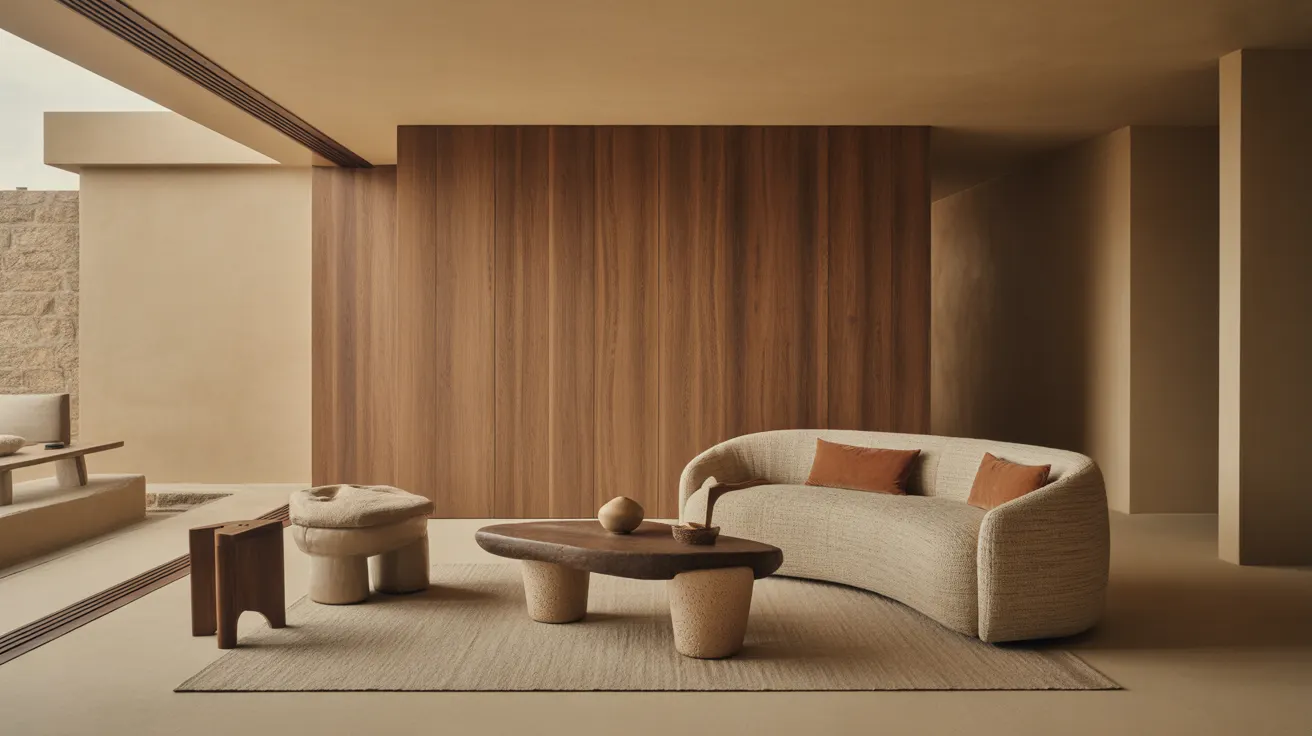
Organic modern style, explained: what it is, its core principles, the palette and materials, and how to get the warm, sculptural look at home without overbuying.
Organic modern style is an interior approach that softens clean, contemporary lines with the colors, textures, and forms of the natural world. It keeps modernism's discipline — open space, simple silhouettes, an uncluttered floor — but rounds the edges, warms the palette, and brings in raw wood, stone, plaster, and hand-touched materials. The result feels grounded and serene rather than slick: a modern room that looks like it grew rather than one that was installed.
If warm minimalism is about editing and japandi is about craft, organic modern is about softness and nature — sculptural, tactile, and quietly alive. Here's the full guide.
What Organic Modern Style Is
Organic modern is the meeting point of two ideas that used to be opposites. From modernism it takes restraint: clean architecture, simple forms, breathing room, a refusal to over-decorate. From the natural world it takes warmth: earthy color, raw and undyed materials, and curved, irregular shapes that echo what you'd find outdoors — a river stone, a worn branch, a clay vessel.
Put them together and you get rooms that feel modern but not cold, calm but not empty, and finished but not styled to within an inch of their lives. The hallmark is the curve. Where strict modernism prizes the straight edge and the right angle, organic modern leans into arches, rounded sofas, kidney-shaped tables, soft-cornered everything. Those curves are what make the style read as relaxed and human.
What it isn't
Organic modern isn't rustic farmhouse, which leans nostalgic and decorative. It isn't boho, which piles on pattern, color, and global collectibles. And it isn't cold contemporary minimalism, all glass and gloss and gray. Organic modern is warmer than minimalism, quieter than boho, and more sculptural than farmhouse. If a room feels both modern and alive — natural materials, soft shapes, a touch of imperfection — you're looking at it.
It draws on several lineages at once: California-modern indoor-outdoor living, the wabi-inspired acceptance of natural imperfection, mid-century's sculptural furniture, and the plastered interiors of Mediterranean and desert homes. It's close kin to warm minimalism and japandi; the difference is emphasis. Organic modern turns the dial toward curve, sculpture, and the natural over the strictly spare.
The Five Principles of Organic Modern
1. Favor the curve
This is the signature move. Rounded sofas, arched mirrors, oval and kidney-shaped tables, curved-back chairs, soft-edged everything. Curves make a space feel calmer than hard angles do, and a single sculptural piece — a bouclé arc sofa, a rounded plaster lamp — can define a whole room. Don't banish straight lines; you want a majority of soft forms balanced by a few clean ones.
2. Bring nature indoors, literally and materially
Organic modern wants the outdoors present in the room. That means raw and natural materials — unfinished or lightly finished wood, stone, rattan, jute, clay, linen, wool — and it also means real greenery. A large sculptural plant, a branch in a stoneware vessel, a bowl of stones. Nature isn't an accent here; it's a core material.
3. Keep the palette earthy and warm
Color comes from the ground, not the paint deck. Warm whites, sand, oatmeal, taupe, terracotta, clay, olive, ochre, and warm browns. These tones recede and soothe, letting texture and form take the lead. Strong or cool colors are rare; when color appears, it's a muted, natural version of itself.
4. Let texture and imperfection do the talking
Like its minimalist cousins, organic modern is quiet in color and loud in texture — but it goes further by celebrating imperfection. A live-edge table, a hand-thrown bowl with a slightly uneven rim, plaster with visible trowel marks, a nubby bouclé, a slubbed linen. The handmade and the irregular are features, not flaws. They're what separate organic modern from machine-made contemporary. The mechanics of combining these surfaces are covered in our texture pairing guide.
5. Sculpt with negative space
Organic modern keeps modernism's love of open space, then uses that emptiness to frame its sculptural pieces. A single curved chair against a bare plaster wall. A rounded coffee table on a soft wool rug with floor showing around it. The pieces are statements, so they need room to be seen. Crowding is the enemy; one beautiful object with space around it beats five competing for attention.
The Organic Modern Palette and Materials
The palette builds in warm, earthy layers, with materials chosen for how natural and tactile they feel. Roughly 70 percent grounding neutrals, 20 percent mid-earth tones, 10 percent darker anchors and quiet accents.
| Role | Tones | Materials | Where it works |
|---|---|---|---|
| Foundation (~70%) | Warm white, sand, oatmeal, taupe | Limewash or plaster walls, linen, cotton, wool | Walls, large upholstery, curtains, bedding |
| Mid-earth (~20%) | Terracotta, clay, ochre, olive, camel | Bouclé, rattan, jute, undyed wool, stoneware | Accent chairs, rugs, throws, cushions, vessels |
| Grounding darks | Walnut, warm brown, charcoal, deep green | Solid and live-edge wood, stone, aged bronze | Tables, shelving, lamp bases, frames |
| Natural accents | Greenery, raw stone, aged brass, dried botanicals | Plants, ceramic, travertine, warm metal | Plants, decor, lighting, small sculptural objects |
Two materials carry the style more than any others. Plaster and limewash (on walls or in object form) give the soft, hand-applied, slightly cloudy surface that defines organic modern interiors. Travertine and raw stone, with their visible pores and warm tone, bring the sculptural, earthy weight. If you add nothing else, a plaster-look finish and one stone piece move a room firmly toward the style.
Organic Modern, Room by Room
Living room
Start with a curve. A rounded or arc sofa in a tactile, undyed weave is the anchor; pair it with a sculptural coffee table — a travertine plinth, a rounded wood drum, a kidney shape — on a soft wool or jute rug. Add one curved accent chair, a large sculptural plant, and a plaster or ceramic lamp. Keep one wall mostly bare so the silhouettes read. The living room collection is built around exactly these kinds of grounded, sculptural pieces.
Bedroom
Calm and cocooning. A low bed with a softly curved or upholstered headboard, layered in linen and undyed cotton in two close earth tones. Round nightstands in warm wood. A plaster pendant or two soft-glow lamps at 2700K. A wool or sheepskin rug underfoot. The bedroom is where organic modern's serenity pays off fastest — keep surfaces clear and let the textures do the warming.
Dining room
A live-edge or solid-wood table with visible grain, paired with curved-back or woven-seat chairs (mixing two styles is welcome, in the organic spirit of the imperfect). Top it with stoneware, a dried-botanical centerpiece, and a sculptural pendant in plaster, rattan, or aged metal — a table that looks gathered, not bought as a matched set.
Entry and small spaces
One sculptural moment is enough: a rounded plaster planter on a raw-wood console, an arched mirror, a stone bowl for keys. Small spaces suit organic modern because the style rewards restraint — a single curved, natural object with space around it beats a crowded console.
How to Get the Look Without Overbuying
Organic modern can look expensive, but the path to it is about choosing a few right things, not buying many.
- Add one curve. If your room is all straight lines, a single curved piece — an arc lamp, a rounded mirror, a kidney coffee table — shifts the whole feeling. Start there before anything else.
- Introduce real plaster, even in small doses. A limewash accent wall, or just a few plaster-finish objects and lamps, brings the signature soft surface without a full renovation.
- Swap in natural texture. Trade flat cotton for linen, a synthetic rug for wool or jute, smooth ceramics for hand-thrown stoneware. Same object count, far more organic feel. See the texture pairing guide for which materials to combine.
- Add living greenery and one stone piece. A large sculptural plant and a single travertine or raw-stone object are the two highest-impact, lowest-cost additions in the whole style.
- Buy one sculptural anchor per room, slowly. A curved sofa, a live-edge table, a statement plaster lamp — one deliberate piece sets the tone, and smaller decor pieces can follow over months.
Where Organic Modern Goes Wrong
A few failure modes account for most disappointing attempts. The theme-park rustic room: too many raw materials and no modern restraint, so it tips into farmhouse — fix it with clean lines and open space. The all-straight-lines room: earthy colors but no curves, which reads as beige contemporary — fix it with sculptural, rounded forms. The lifeless room: the right materials but no actual nature — fix it with real plants and one stone or wood piece with visible character. The crowded room: sculptural pieces with no space to be seen — fix it by removing, not adding.
Shop this guide
- 34" Gold Metal Arch Accent Mirror
- 44" Sand Linen Upholstered Swivel Round Accent Chair And Toss Pillows
- 18" Natural Jute Woven Blend Cube Pouf Ottoman
The Short Version
- Organic modern = clean modern lines + the warmth, texture, and curves of nature. Modern, but grounded and alive.
- The signature move is the curve: rounded sofas, arched forms, sculptural soft-edged pieces.
- Build an earthy, warm palette and lean on natural, hand-touched materials — wood, stone, plaster, rattan, linen, wool — celebrating imperfection.
- Bring real nature in: greenery and at least one raw stone or live-edge wood piece.
- Use negative space to frame sculptural pieces, and buy one anchor per room rather than overfilling.
When you're ready to find that sculptural anchor, explore the collection — it's built on the same warm, grounded materials this whole style runs on. Layer in the natural textures and decor from the decor collection as the room comes together.
Frequently asked questions
What is organic modern style?
Organic modern is an interior style that combines clean, contemporary lines with the warmth, texture, and curved forms of nature. It uses earthy colors, raw natural materials like wood, stone, and plaster, and sculptural rounded shapes to create rooms that feel modern but grounded and serene.
What's the difference between organic modern and warm minimalism?
They overlap, but the emphasis differs. Warm minimalism is mainly about editing and restraint with warm neutrals. Organic modern adds a stronger focus on curved, sculptural forms, raw natural materials, and bringing real nature indoors. Organic modern is the more tactile and sculptural of the two.
What colors are used in organic modern interiors?
Earthy, warm tones drawn from nature: warm white, sand, oatmeal, taupe, terracotta, clay, ochre, olive, and warm browns, grounded by walnut and charcoal. Cool and bright colors are rare; when color appears, it's a muted, natural version.
What materials define the organic modern look?
Raw and natural materials: unfinished or live-edge wood, stone and travertine, plaster and limewash, rattan, jute, linen, wool, bouclé, and hand-thrown ceramic. Plaster surfaces and raw stone are the two most defining.
Is organic modern the same as boho?
No. Boho layers bold pattern, saturated color, and global collectibles. Organic modern is quieter and more sculptural, with an earthy, muted palette and clean modern lines underneath the natural textures.
Can organic modern work in a small space or rental?
Yes. The style rewards restraint, so small spaces suit it well, and most of the look comes from textiles, plants, and a few sculptural natural objects — no renovation required.