Materials & Quality
Furnishing a Home With a New Baby: What You Actually Need
6 min read
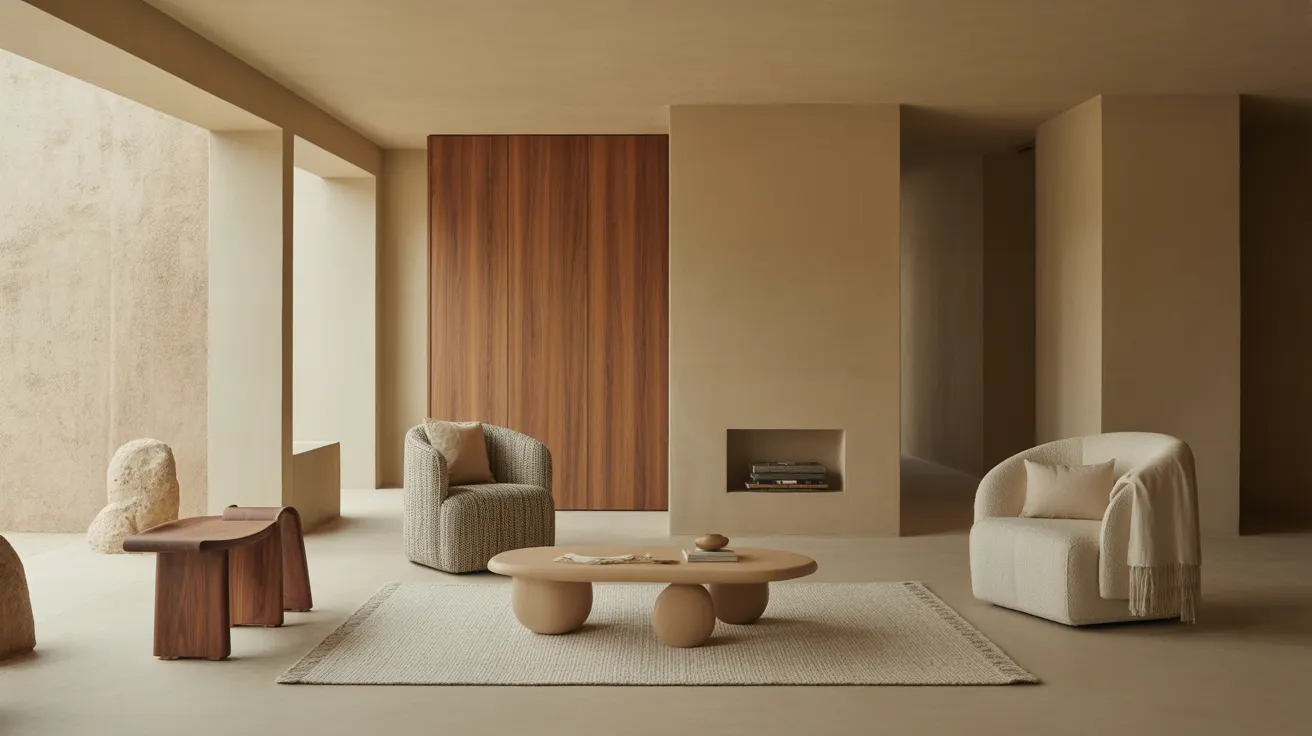
Furnishing a home for a new baby? A calm, practical guide to what you truly need, what can wait, and how to choose pieces that grow with your family.
A new baby changes how every room in your home gets used, but it doesn't require buying everything at once. The pieces that matter most in the first year are surprisingly few — a safe place to sleep, a comfortable place to feed, and enough accessible storage to keep daily life from descending into chaos. This guide separates what you actually need from what can wait, and points you toward pieces that will still serve you when the baby is a toddler, then a kid.
A calm starting principle: buy for now, plan for later
It's easy, in the nesting months, to over-buy. The baby industry is built to make every gadget feel essential. The truth is that newborns need very little furniture, and much of what's marketed for the first weeks is outgrown by month four. The more useful instinct is to buy a few well-made, adaptable pieces now and add specific things as real needs appear.
Two ideas keep this from becoming overwhelming. First, prioritize by where you'll spend time: the nursery (or the corner of your room where the baby sleeps), the spot where you'll feed, and the main living area where you'll be awake at odd hours. Second, favor furniture that converts or adapts — a crib that becomes a toddler bed, a dresser that doubles as a changing table, a glider you'll still want in the living room later. You'll buy less and waste less.
The nursery: three pieces do most of the work
You can furnish a functional, lovely nursery with three core pieces. Everything else is optional.
- A safe sleep surface. A crib or bassinet that meets current US safety standards is the one non-negotiable. Cribs with adjustable mattress heights and a toddler-bed conversion option stretch the value over years. Use a firm, well-fitting mattress and keep the sleep space bare — no pillows, bumpers, or loose blankets for an infant.
- A place to feed. A comfortable, supportive chair — a glider, rocker, or simply a deep upholstered chair with an ottoman — is where you'll spend more hours than you expect. Choose one you'd happily keep in a living room or bedroom once the night feeds end.
- Storage with a changing surface. A sturdy dresser topped with a secured changing pad is more useful long-term than a dedicated changing table you'll abandon within a year or two. The dresser holds clothes now and for years to come.
For a deeper, room-specific walk-through of cribs, gliders, and storage, see our nursery furniture guide.
Anchoring is not optional — handle it now
Any tall or heavy piece in a child's environment — dressers, bookcases, shelving, changing-table-topped dressers — should be anchored to the wall to prevent tip-overs. This is the single most important safety step in furnishing a home with a baby, and it's easy to do before the furniture is full and the room is busy. Follow the manufacturer's anchoring hardware and instructions, and refer to current CPSC guidance on furniture and TV tip-over prevention. We cover the how-to in detail in our guide to childproofing furniture and anchoring; the short version is that anchoring takes ten minutes and removes one of the most serious household hazards for young children.
The living room: small changes, big difference
You don't need to redecorate the living room around a baby, but a few adjustments make life with one far easier.
| Need | What helps | Why it matters |
|---|---|---|
| Somewhere to put things down | A storage ottoman or coffee table with storage | Burp cloths, toys, and remotes vanish into one surface that doubles as a footrest or seat |
| Easy cleanup | Performance-fabric or leather seating | Spit-up, leaks, and spills wipe or blot away instead of staining |
| Soft floor for tummy time | A washable or low-pile rug with a pad | A cushioned, easy-clean surface for play |
| Corralling the toy creep | Baskets, a console with drawers, closed storage | Keeps the living room from becoming a daycare overnight |
| Sharp-corner safety (later) | Rounded-edge tables, or corner guards | Matters once the baby is cruising and pulling up |
The recurring theme: closed, accessible storage and wipeable surfaces. A new baby generates an astonishing amount of small stuff, and the homes that stay sane are the ones with somewhere to put it within arm's reach of where it's used.
Feeding and eating, as the baby grows
The feeding chair handles the first months. Around six months, solids arrive, and so does the need for a high chair or a clip-on seat at the table. Look for one that's easy to wipe down — meals at this age are messy by nature — and, if space is tight, one that folds or tucks away. There's no rush to buy this before the baby is born; it's a month-six purchase, not a month-zero one.
What can wait (and what to skip)
Plenty of nursery-aisle staples are short-lived or skippable. A dedicated changing table, a wipe warmer, a fancy mobile, a second "downstairs" crib, and most decorative furniture can wait or be skipped entirely. A toddler bed isn't needed until well into the second year — a convertible crib covers it. Buying these later, only if you find you need them, saves money and floor space, and spares you from storing things you never use.
Choosing pieces that grow with your family
The most satisfying baby-era purchases are the ones you don't have to replace. A convertible crib becomes a toddler bed. A quality dresser serves from the changing-pad stage through the teenage years. A glider migrates to the living room. A storage ottoman outlives the toy phase entirely. Spending a little more on a few adaptable, well-built pieces nearly always beats buying cheap, single-purpose items you'll outgrow and discard. For the bedroom and nursery foundations, our bedroom collection is a good place to start with pieces meant to last.
The short version
A new baby needs far less furniture than the stores suggest. Start with three nursery essentials — a safe sleep surface, a comfortable feeding chair, and a storage dresser with a secured changing pad — and anchor every tall piece to the wall, following manufacturer and CPSC guidance. In the living room, add closed storage and wipeable seating rather than redecorating. Choose convertible, well-built pieces that grow with your family, and let everything else wait until you actually need it.
Building the nursery and the rooms around it? Start with adaptable, built-to-last foundations in our shop by room, and pair this with our nursery furniture guide and childproofing and anchoring guide.
Frequently asked questions
What furniture do you actually need for a new baby?
The essentials are a safe sleep surface (crib or bassinet meeting current US standards), a comfortable feeding chair, and a dresser or storage piece with a secured changing surface. Almost everything else can be added later as specific needs arise. Anchoring tall furniture to the wall is also essential, not optional.
When should I buy a high chair?
Around the time your baby starts solids, usually about six months. There's no need to buy it before birth. Choose one that wipes clean easily, and if space is limited, look for a folding or clip-on seat that stores away between meals.
Do I need a changing table, or can a dresser work?
A sturdy dresser with a secured changing pad on top works well and lasts far longer than a dedicated changing table, which is typically outgrown within a year or two. The dresser keeps earning its place storing clothes for years. Always anchor it to the wall.
How do I make my living room baby-friendly without redecorating?
Add closed, accessible storage (a storage ottoman, a console with drawers, baskets) for the constant stream of small items, choose wipeable performance-fabric or leather seating, and lay a soft, washable rug for tummy time. Once the baby is cruising, address sharp corners with rounded-edge pieces or guards.
What baby furniture is worth spending more on?
Pieces that adapt and last: a convertible crib that becomes a toddler bed, a quality dresser that serves for years, and a feeding chair comfortable enough to keep in a living room afterward. These earn back their cost by not needing replacement, unlike single-purpose items that are quickly outgrown.