Materials & Quality
How Long Should Furniture Last? Lifespan by Category
6 min read
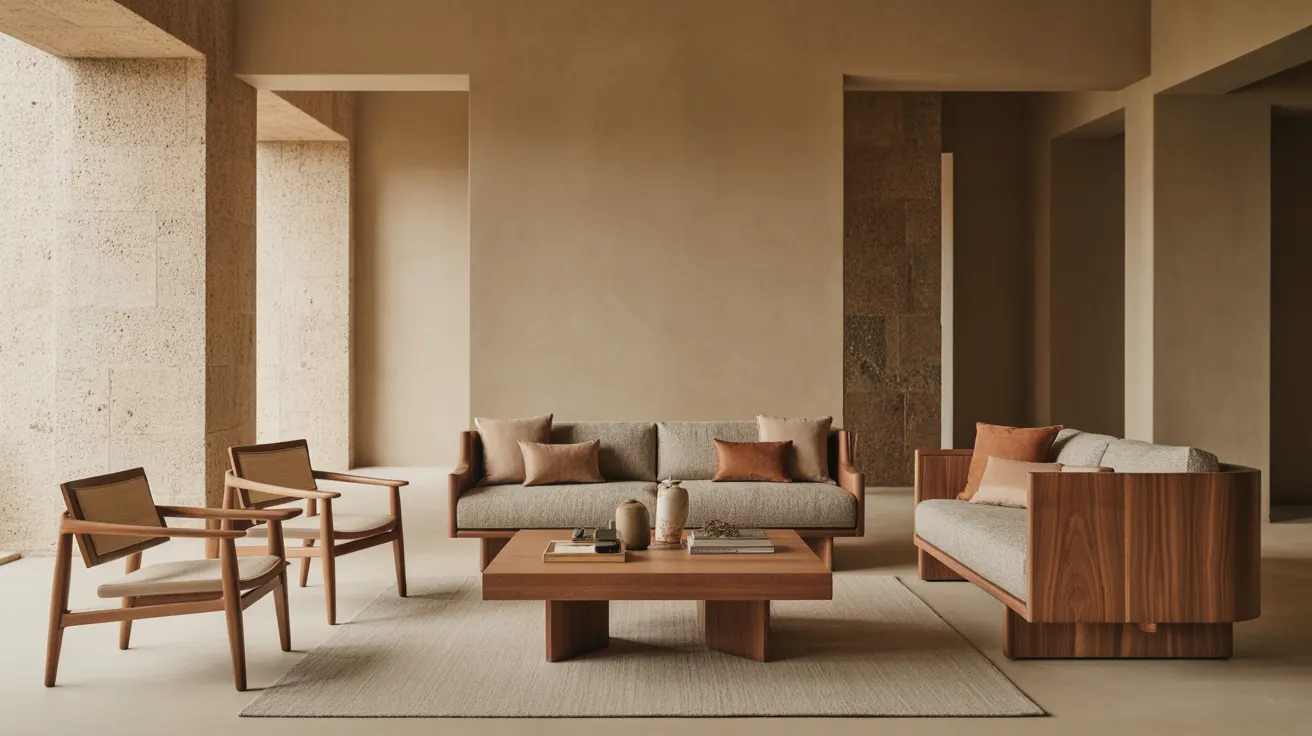
How long should furniture last? A category-by-category lifespan guide for sofas, mattresses, dining tables, and more, plus what shortens or extends it.
Most furniture has a usable lifespan you can plan around: a good sofa lasts 7 to 15 years, a quality solid-wood dining table can last a lifetime, and a mattress typically needs replacing at 7 to 10 years. The real variable is quality of construction, with care, use, and household a close second. Knowing the expected range for each category helps you judge value, time your purchases, and decide when something is worth repairing rather than replacing.
Why "how long should it last" depends on three things
Two identical-looking sofas can differ in lifespan by a decade. The gap comes down to three factors:
- Construction quality. A kiln-dried hardwood frame, eight-way hand-tied or quality sinuous springs, and high-density foam outlast a softwood frame with low-density cushions. This is the single biggest driver, and it's why our guide on how to tell if a sofa is well made is worth reading before you buy.
- Use and household. Daily heavy use, kids, pets, and sun exposure all accelerate wear. A guest-room bed lasts far longer than a primary mattress used nightly.
- Care. Rotating cushions and mattresses, cleaning spills promptly, conditioning leather, and keeping wood out of direct sun can add years.
A lifespan figure is a reasonable expectation under normal use, not a guarantee. Treat the ranges below as planning numbers.
Furniture lifespan by category
| Category | Typical lifespan | Premium / well-made | First signs it's wearing out |
|---|---|---|---|
| Sofa (upholstered) | 7–15 years | 15–25 years | Sagging cushions, frame creaks, fabric thinning |
| Sectional | 7–15 years | 15–20 years | Same as sofa; module connectors loosen |
| Mattress | 7–10 years | up to 10–12 years | Sagging, lumps, poor sleep, visible wear |
| Solid-wood dining table | 15–lifetime | Generations | Loose joints, deep damage, finish failure |
| Dining/accent chairs | 10–25 years | Lifetime (solid wood) | Wobbly joints, worn seats |
| Bed frame (solid wood/metal) | 15–lifetime | Generations | Squeaks, loose joints, slat failure |
| Upholstered headboard | 10–20 years | 20+ years | Sagging, soiled fabric |
| Dresser / case goods | 10–lifetime | Generations | Sticking drawers, failing slides, loose joints |
| Office chair | 7–10 years | 10–15 years | Worn cushion, failing mechanism, sagging mesh |
| Area rug (wool, good) | 10–20+ years | Decades (hand-knotted) | Matting, fading, worn pile |
| Area rug (synthetic) | 3–10 years | up to 10 years | Crushing, matting, dullness |
| Lighting / lamps | 10–20+ years | Decades | Wiring, finish wear (bulbs aside) |
| Outdoor furniture | 5–15 years | 15+ years (teak/metal) | Rust, fading, cushion breakdown |
A pattern jumps out: solid-wood and metal pieces (tables, frames, case goods) can effectively last for generations, while anything with foam, springs, or upholstery has a shorter, more predictable arc because the soft components wear out. That distinction is the heart of smart furniture budgeting.
The "buy it for life" categories vs. the "plan to replace" categories
Buy-it-for-life candidates. Solid-wood dining tables, well-joined bed frames, quality dressers and case goods, and good lighting can serve for decades or be handed down. Here, spending more up front genuinely pays off, the per-year cost of a $2,000 table that lasts 30 years is lower than a $600 one replaced every six. This is the logic behind knowing where to splurge and where to save on furniture.
Plan-to-replace categories. Mattresses, office chairs, and synthetic rugs have a built-in expiration because their performance materials degrade. With these, you're buying a fixed number of comfortable years, so it's reasonable to balance quality against how long you'll realistically keep them.
The in-between. Sofas and sectionals sit in the middle. A great frame can last 20+ years, but cushions and fabric may need refreshing along the way, which is why reupholstery and replacement cushions exist. A high-quality sofa is often worth refreshing rather than replacing.
What shortens furniture life (and how to slow it)
- Skipping rotation. Not rotating mattress and sofa cushions concentrates wear in one spot. Flip and rotate on a simple schedule.
- Sun and heat. UV fades fabric and dries leather and wood. Keep pieces out of direct, prolonged sun.
- Spills left to set. Prompt blotting prevents stains and material breakdown. Don't rub.
- Overloading. Exceeding weight or use a piece was designed for stresses frames, slides, and mechanisms.
- Dry indoor air. Very dry air can crack wood and leather over years; conditioning and stable humidity help.
None of this is laborious. A few habits, rotating cushions, wiping spills, keeping things out of harsh sun, conditioning leather once or twice a year, routinely move a piece from the low end of its lifespan range to the high end.
Repair or replace? A quick decision guide
When something starts to wear, ask three questions:
- Is the bones still good? A solid frame with worn cushions or a scratched-but-sound wood table is a strong repair candidate. A cracked frame or a mattress that's broken down internally is usually a replace.
- What does the fix cost versus a new one? Reupholstering a quality sofa or refinishing a solid table is often worth it; reupholstering a cheap, flimsy frame rarely is.
- Do you still want it? Sometimes the honest answer is that your needs changed, which is a valid reason to replace even a serviceable piece.
As a rule, repair quality construction and replace worn-out performance materials. A great frame deserves new cushions; a sagging budget sofa usually doesn't.
The short version
Furniture lifespan is predictable by category: sofas 7 to 15 years, mattresses 7 to 10, solid-wood tables and frames potentially a lifetime, synthetic rugs as little as a few years. Construction quality is the biggest lever, followed by how hard you use a piece and how well you care for it. Splurge on the "buy it for life" categories, plan to replace the performance-material ones, and repair good bones rather than replacing them.
Planning your next upgrade with longevity in mind? Shop by Room to compare pieces and check the construction details that decide how long they'll really last.
Frequently asked questions
How long should a sofa last?
A well-made sofa typically lasts 7 to 15 years, and a premium one with a hardwood frame and quality cushions can last 20 years or more. Cushions and fabric may need refreshing before the frame gives out, so a quality sofa is often worth reupholstering rather than replacing outright.
How often should you replace a mattress?
Most mattresses should be replaced every 7 to 10 years. The clearer signals than age are sagging, lumps, and waking up unrested or sore. Rotating the mattress regularly and using a protector can help you reach the longer end of that range.
Does expensive furniture actually last longer?
Usually, but not automatically, price should track construction quality, not just brand or finish. A higher price often buys a hardwood frame, better springs, denser foam, or solid wood over veneer, all of which extend life. The smart move is to verify the construction, not assume that cost equals longevity.
Is it worth repairing old furniture?
It's worth repairing when the structure is sound and the fix costs meaningfully less than replacement, reupholstering a quality sofa, refinishing a solid-wood table, or tightening joints on a good chair. It's rarely worth it for cheaply built pieces whose frames or slides are failing.
What furniture lasts the longest?
Solid-wood and metal pieces with no performance materials, dining tables, bed frames, dressers, and chairs, last the longest, often decades or generations with care. Anything relying on foam, springs, or upholstery has a shorter, more predictable lifespan because those components wear out first.