Rooms & Occasions
Where to Splurge and Where to Save on Furniture
6 min read
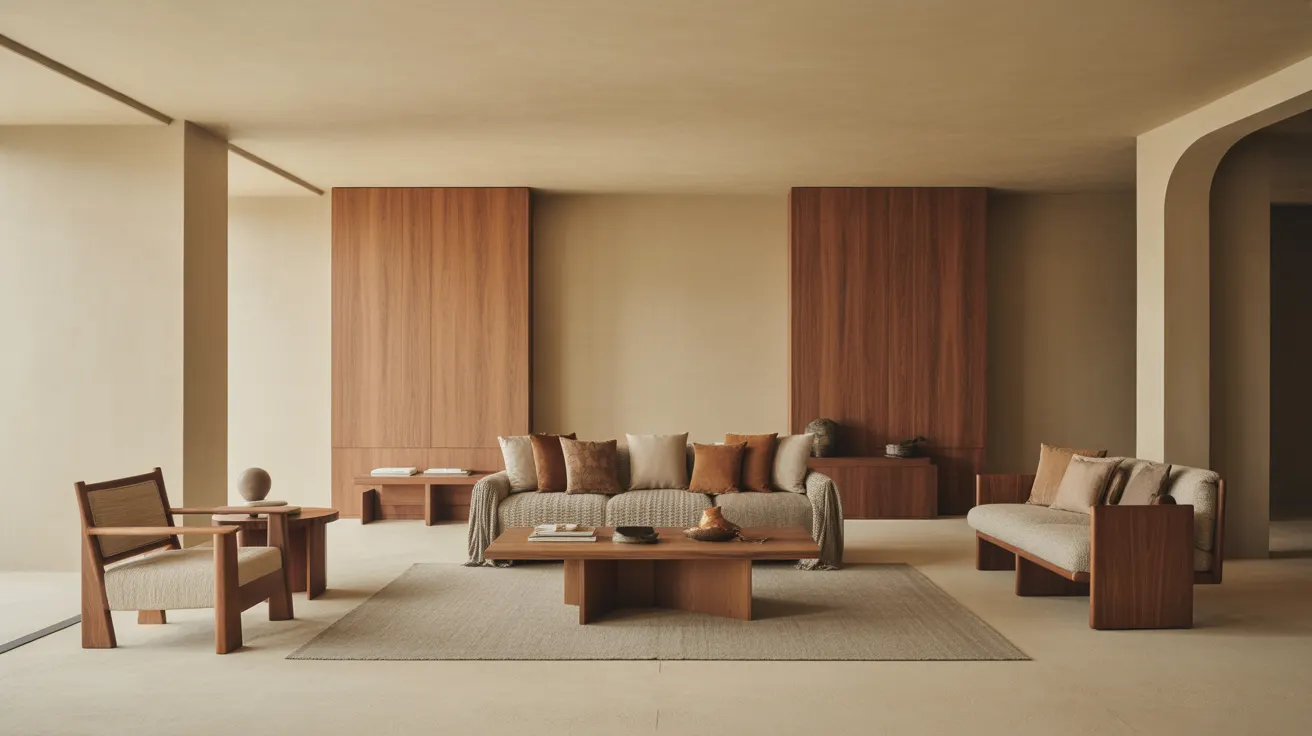
Where should you splurge and where should you save on furniture? A simple framework plus category-by-category guidance to spend your budget where it matters most.
The simplest rule for furnishing a home well on any budget: splurge on the pieces your body uses every day and that are hard to replace, and save on the pieces that are decorative, easily swapped, or lightly used. A whole room can look and feel expensive even when only a couple of items in it actually were. Below is a framework that works at any budget, followed by category-by-category guidance — all in relative terms, since the right number depends on your home, not a chart.
The framework: three questions
Before you decide whether to spend or save on any piece, ask three things. The more "yes" answers, the more it's worth investing in.
1. How often does your body touch it?
The sofa you sit on every night, the bed you sleep on, the chair you work in — these meet your body for hours daily, and cheap versions fail exactly where comfort and support matter most. Pieces you barely touch (a console, a decorative stool, a guest-room nightstand) can be saved on without anyone noticing.
2. How hard is it to replace?
Large anchor pieces are a project to replace: they cost more, require delivery and disposal, and anchor the whole room's layout. Small pieces are easy to swap when your taste or budget changes. Spend on what you'll keep; save on what you'll cycle.
3. How visible is the quality difference?
On some pieces, quality is obvious and felt — a sagging sofa cushion, a wobbly table, a mattress that's gone flat. On others, the difference between a fine version and an expensive one is nearly invisible in everyday use. Put your money where quality actually shows.
A piece that's touched constantly, hard to replace, and where quality clearly shows is a splurge. A piece that's decorative, easily swapped, and where the difference is invisible is a save. Most furniture falls somewhere between, and that's where the category guidance below helps.
Where to splurge
These are the pieces that reward investment most, because they combine daily use, real comfort or support stakes, and longevity.
The main sofa. It's the most-used seat in the home and one of the hardest to replace. A well-built frame and quality cushions are felt every evening and last for years; a cheap sofa sags fast under daily use. This is the classic splurge — for the full reasoning, see are expensive sofas worth it.
The mattress. You spend a third of your life on it, and it directly affects how you feel each day. Spending up here (to the right type and a solid tier, not necessarily the priciest) pays back in sleep and durability more reliably than almost any other purchase.
The dining table. A daily-use surface that tends to outlast moves and redecorations. Sturdy construction and a durable surface mean it survives years of meals, homework, and gatherings — a hard piece to replace and an easy one to be glad you bought well.
Anything that takes a beating. Office chairs you sit in all day, the bed frame that holds your mattress, high-traffic seating in a busy household. Where use is heavy and constant, quality is the cheaper choice over time.
Where to save
These are the pieces where a smart, well-chosen budget version looks and performs nearly identically to an expensive one.
Decorative accents. Vases, trays, candleholders, smaller decor — these do styling work, not structural work. Quality almost never shows here, and you'll likely refresh them as your taste evolves.
Trend-driven pieces. Anything you're buying because it's the look of the moment is, by definition, something you may tire of. Save here so swapping it later doesn't sting.
Lightly used furniture. A guest-room nightstand, an occasional accent stool, a side table that mostly holds a lamp. Low use means low wear, so the durability premium goes mostly unused.
Lighting fixtures and shades, often. A modest fixture in the right style can read as intentional and expensive. The light it casts matters more than the price — layered, warm lighting makes a room feel rich regardless of what each fixture cost.
Textiles you'll rotate. Throw pillows, throws, and seasonal soft goods change with the seasons and your mood. Save here and update often rather than committing big money to one look.
Where it depends
A few categories sit in the middle, and the right call comes down to your specific situation.
Rugs. Splurge if it's a large, high-traffic anchor rug in a room you'll keep, where a quality weave will wear far better. Save if it's a small accent or a layer you'll change seasonally.
Bookcases and storage. Splurge if it's a permanent, heavily loaded built-in-style piece, since cheap shelving sags under weight. Save if it's light-duty or you'll rearrange often.
Dining chairs. Lean toward spending where you host often or sit long, since comfort and sturdiness show; save where chairs are mostly decorative or rarely used.
How to mix high and low so it looks intentional
The goal isn't to spend evenly — it's to spend deliberately, so the room reads as considered rather than cheap. A few principles make a mixed-budget room look cohesive:
- Let the splurge pieces anchor the room and keep the saves in supporting roles. The eye reads the big, well-made pieces first.
- Keep a consistent palette and material story across price tiers, so nothing announces its budget.
- Spend on what's seen and touched up close, save on what's seen from across the room.
- Buy the saves last, once the anchors are set, so they complement rather than compete.
Done well, no one can tell which pieces were the splurges. Our guide to mixing high and low goes deeper on getting a designer look without an even budget.
The short version
- Splurge on what your body uses daily and can't easily replace; save on what's decorative, easily swapped, or lightly used.
- Run each piece through three questions: how often you touch it, how hard it is to replace, and whether quality actually shows.
- Reliable splurges: the main sofa, the mattress, the dining table, hard-working seating. Reliable saves: accents, trend pieces, lightly used furniture, many fixtures, rotating textiles.
- Mix high and low deliberately — consistent palette, splurges as anchors, saves bought last — and the room reads expensive regardless of the receipts.
Ready to spend where it counts? Shop by room to find your anchor pieces first, then layer in the rest at your own pace.
Frequently asked questions
What furniture should you splurge on?
The pieces you use daily and can't easily replace: the main sofa, the mattress, the dining table, and any hard-working seating like an office chair. These reward investment in comfort, support, and longevity, and a cheap version fails fastest exactly where it's used most.
What furniture is okay to save on?
Decorative accents, trend-driven pieces, lightly used furniture, many lighting fixtures, and textiles you'll rotate. Quality rarely shows on these, and you'll likely swap them as your taste changes — so a well-chosen budget version performs nearly identically.
How do I make budget furniture look expensive?
Let your splurge pieces anchor the room, keep a consistent palette and materials across price tiers, spend on what's touched and seen up close, and buy the cheaper pieces last so they support the anchors. A cohesive look matters more than an even budget.
Should I buy everything at once or build over time?
Building over time usually produces a better and more affordable home. Buy the daily-use anchors first, live with the room, then add the supporting and decorative pieces as you go. This spreads cost and lets your real needs guide the saves.
Is it worth spending more on furniture you sit on?
Generally yes. Seating you use for hours — the sofa, the bed, a work chair — is where comfort, support, and durability are felt most, and where cheap construction fails fastest. It's one of the most reliable places a higher spend pays off.