Rooms & Occasions
Kids' Room Ideas That Grow With Them: Furniture That Lasts
7 min read
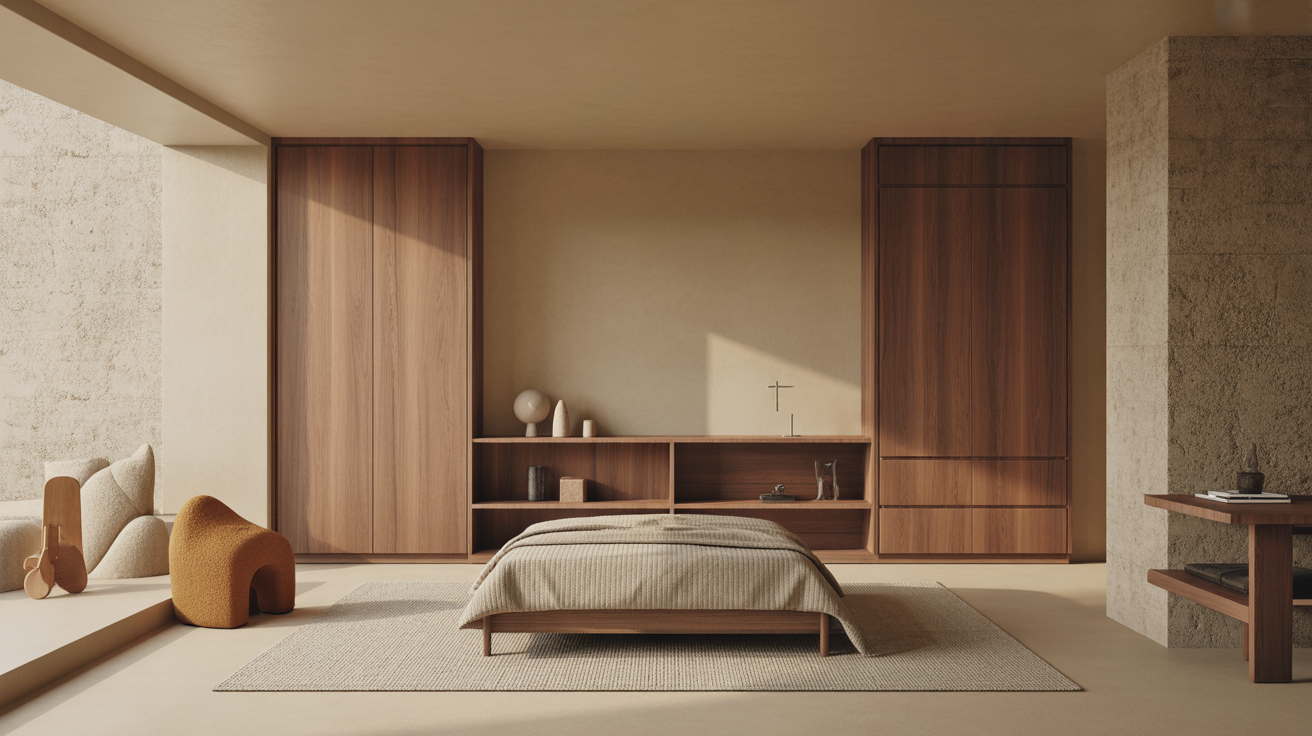
Kids' room furniture ideas that grow with the child: pieces that adapt from toddler to teen, smart storage, layout numbers, and what's worth buying once.
The trick to a kids' room that doesn't need redoing every few years is simple: buy a calm, neutral foundation that lasts, and let the cheap, swappable layers carry the "kid" energy. A real bed, a sturdy dresser, and flexible storage stay put from toddlerhood to the teen years. Bedding, art, rugs, and bins change with the phase. Spend on the bones, save on the costume — and you'll furnish the room once instead of three times.
Buy the bones once, swap the layers often
Think of the room in two halves. The first half is the foundation: the bed, the dresser, the desk or table, the bigger storage. These should be neutral, well-built, and chosen to last a decade. The second half is the personality: bedding, wall art, a themed rug, labeled bins, the dinosaur lamp. These are inexpensive and easy to change, so they can be as loud and as phase-specific as your kid wants.
When the foundation is quiet and grown-up, a five-year-old's space and a twelve-year-old's space can share the same furniture — only the layers change. That's the whole strategy, and it's what keeps the room from needing a full re-buy at every birthday.
Pieces that adapt across stages
Some furniture is built to change jobs as the child grows. These are the ones worth seeking out.
- A full or twin bed instead of a toddler bed. Skip the short-lived toddler bed where you can and go straight to a real twin or full with a guardrail. It lasts into the teen years, and a full size is better for sleepovers and reading together.
- A standard dresser. A neutral dresser holds tiny clothes now and full-size ones later, no swap required. The same drawer quality that matters for adults matters here.
- An adjustable or grow-with-me desk. A desk that raises as the child does carries them from crafts to homework to laptop years.
- Open, adjustable shelving. Cube units and adjustable bookcases shift from toy bins to books to display as interests change. Keep the heaviest, most-used items low and reachable.
- A reading chair or floor cushion. A small armchair or beanbag grows into a teen's hangout corner.
The bed is the highest-leverage decision. Buying a real bed at the start rather than a toddler bed you'll replace in two years is the single biggest money-saver in the room. For a small room where that bed has to share space with everything else, our small bedroom layout guide has the clearance numbers.
Storage that keeps up with the chaos
Kids generate clutter faster than any other resident of the house. The storage that works is the storage a child can actually use without help.
- Low and reachable wins. Bins and shelves a child can reach get used and put back. Anything that needs an adult stays messy.
- Open bins beat closed boxes for daily toys — fewer steps means more cleanup.
- Label by picture, then by word as reading develops, so the system grows with them.
- Go vertical for the long-term stuff — out-of-season clothes, keepsakes, books — up high where it's out of the daily churn.
- Leave one empty bin. Kids accumulate. A little slack in the system keeps it from overflowing in a month.
A bench or storage ottoman at the foot of the bed adds a seat and swallows a surprising amount, which keeps the floor — the place small kids actually play — clear.
Layout numbers for a kids' room
The same circulation logic as any bedroom, with a little extra floor for play.
| Item | Clearance / dimension | Why |
|---|---|---|
| Walkway around the bed | 24–30" on used sides | Room to make the bed and pass |
| In front of a dresser | 30" | Drawers open with room to stand |
| Clear play floor | 4' x 4' minimum if space allows | Somewhere to actually play on the floor |
| Desk chair pull-back | 30" behind the chair | Get in and out without standing |
| Reach to a bookshelf (young child) | items below ~48" | Reachable without climbing |
| Top of tall storage | anchored to the wall | Anti-tip safety as kids climb |
| Walkway to the door | 30–36" | A clear path in and out |
Protect the play floor. In a kids' room, a clear 4-by-4-foot patch of open carpet or rug is often more valuable than another piece of furniture. Build the layout around keeping it open.
A safety note worth keeping
Kids climb, and furniture that tips is the real hazard in a child's room. Anchor every tall dresser and bookcase to a wall stud with anti-tip hardware — this isn't optional once a child can pull a drawer open and step up. Keep the heaviest items in the lowest drawers, avoid placing climbable furniture under windows, and route cords out of reach. This is general guidance; always follow the manufacturer's anchoring instructions for each piece.
Decorating for the phase without repainting
You don't need to repaint to mark a new chapter. The cheap layers do that work.
- Bedding is the biggest visual swap and the easiest. One duvet change resets the whole room's theme.
- Wall art and a peg rail or pinboard let the room evolve with the child's interests at almost no cost.
- A rug anchors the play zone and is simple to switch.
- Removable decals and a single accent color add personality without committing the foundation furniture to a phase.
Keep the big furniture neutral and let these layers be loud. A unicorn phase, a space phase, and a minimalist-teen phase can all live on top of the same calm dresser and bed.
A quick worked example
A 10-by-12-foot room. A real twin bed with a guardrail against one wall, neutral frame, bedding that carries the current obsession. A standard dresser opposite, anchored to the wall, with a lamp and a small framed print on top. An adjustable desk by the window for the homework years to come, chair with 30 inches behind it. A cube shelf with open bins, low ones for daily toys, high ones for keepsakes. A washable rug marks a 4-by-4 play square in the center, left deliberately clear. As the child grows, the bins relabel themselves, the bedding changes, the desk rises — and nothing structural needs replacing.
Shop this guide
- Gray Twin Solid Wood Bunk Bed
- Set Of Four White Heavy Duty Plastic Juvenile Chairs
- Espresso Twin Over Twin Solid Wood Bunk Bed
The short version
- Buy the bones once: a real bed, a standard dresser, an adjustable desk, and flexible shelving, all neutral.
- Let the cheap, swappable layers — bedding, art, rugs, bins — carry the kid's personality and the current phase.
- Skip the toddler bed where you can; a twin or full with a guardrail lasts into the teen years.
- Storage should be low, open, and reachable so kids can use it; go vertical for keepsakes and off-season items.
- Anchor all tall furniture to the wall, and protect a clear 4-by-4 play floor.
Furnishing a room that won't need redoing every birthday? Shop Bedroom for real beds, neutral dressers, and flexible storage built to grow with your kid.
Frequently asked questions
What furniture should I buy for a kids' room that will last?
Invest in a neutral, well-built foundation: a full or twin bed instead of a toddler bed, a standard dresser, an adjustable desk, and flexible open shelving. Keep these grown-up and calm, then express the kid's personality through cheap, swappable layers like bedding, art, and bins.
Should I buy a toddler bed or go straight to a twin?
Where space allows, go straight to a twin or full bed with a guardrail. A toddler bed is outgrown in about two years, while a real bed lasts into the teen years and is better for sleepovers and reading together. Skipping the toddler bed is the biggest money-saver in the room.
What's the best storage for a kids' room?
Low, open, reachable storage the child can use without help: open bins and cube shelves for daily toys, labeled by picture then by word as reading develops. Keep keepsakes and out-of-season items up high, leave one empty bin for new arrivals, and add a storage bench to keep the play floor clear.
How do I make a kids' room safe?
Anchor all tall dressers and bookcases to a wall stud with anti-tip hardware, keep the heaviest items in the lowest drawers, don't place climbable furniture under windows, and route cords out of reach. Re-check the room as the child grows and starts climbing. Follow each piece's anchoring instructions.
How do I update the room as my child grows without rebuying everything?
Keep the big furniture neutral and change the layers: bedding, wall art, a rug, a peg rail or pinboard, removable decals, and one accent color. Relabel storage bins as needs change and raise the adjustable desk. The foundation stays; only the inexpensive personality layers turn over.
How much open floor space does a kids' room need?
If space allows, protect a clear patch of at least 4 by 4 feet for floor play, since that's where young kids actually spend their time. Build the furniture layout around keeping that area open rather than filling it.