Rooms & Occasions
Are Expensive Sofas Worth It? Price vs. Value, Explained
6 min read
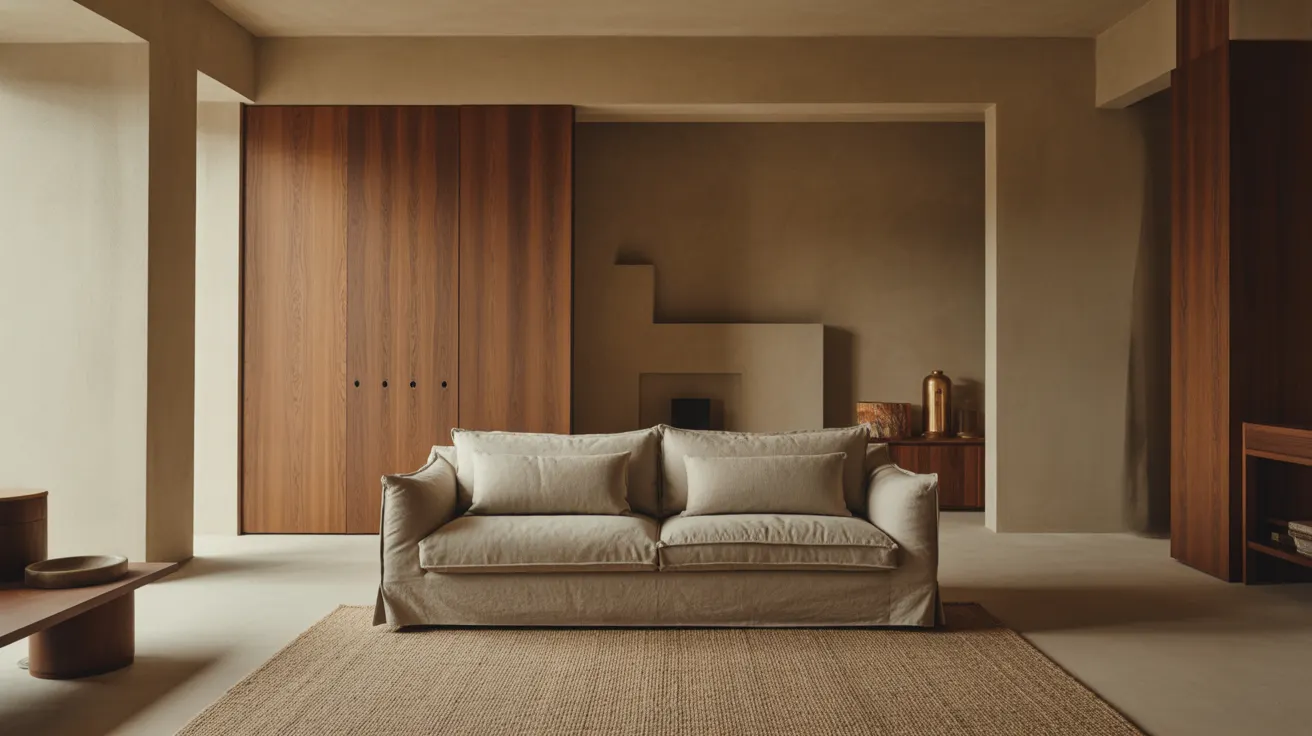
Are expensive sofas worth it? Here's what actually drives sofa cost, what you get at each quality tier, and how to decide how much to spend on a sofa.
Sometimes yes, sometimes no — and the honest answer depends on what's actually driving the price. A more expensive sofa is worth it when the extra cost buys a better frame, denser cushions, a more durable fabric, and construction that survives years of daily use. It is not worth it when you're paying for a brand name, a trendy silhouette, or a showroom markup that the materials don't back up. This guide explains what makes a sofa cost what it does, what you get at each tier, and how to decide how much to spend on yours — all in relative terms, since real prices shift with sales, materials, and time.
What actually drives a sofa's price
Four things separate a sofa that lasts a decade from one that sags in two years. When a higher price reflects these, it's usually justified. When it doesn't, you're paying for something other than quality.
The frame
The frame is the skeleton, and it's the single biggest predictor of lifespan. Entry-level sofas often use particleboard, plastic, or low-grade softwood held together with staples and glue. Better sofas use kiln-dried hardwood joined with corner blocks, dowels, and screws. You can't see the frame once the sofa is upholstered, which is exactly why it's the easiest place for a cheap sofa to cut costs and the hardest for a shopper to catch. Our guide to how to tell if a sofa is well made covers what to feel for in a showroom.
The cushions and suspension
What's under the fabric matters more than the fabric. Higher-quality sofas use higher-density foam (often wrapped in down or fiber for softness), supported by a sinuous-spring or eight-way hand-tied suspension. Cheaper sofas use low-density foam over webbing or thin springs, which compresses and goes flat. Cushion quality is why two sofas that feel identical in the store can feel completely different a year later.
The fabric or leather
Upholstery is where durability meets daily life. Tightly woven and performance fabrics resist abrasion, pilling, and stains; loose or delicate weaves wear faster. In leather, full-grain and top-grain age beautifully and last; bonded or "genuine" leather can peel within a few years. A higher price often (not always) reflects a more durable, better-finished cover.
Construction and finishing
The details that take labor — hand-tied springs, sewn-in (not stapled) details, matched fabric patterns, reinforced stress points, removable and reversible cushions — all add cost because they add hours. They also add years. This is the labor a budget sofa skips.
What doesn't add value
Some of the price has nothing to do with how long the sofa lasts: heavy marketing, showroom overhead, a designer's name, ultra-trendy shapes that date quickly, and traditional retail markup. None of these make the sofa more comfortable or more durable. Buying direct or online often removes a layer of this cost without removing quality — which is part of how a well-made sofa can land at a fairer price.
What you get at each quality tier
Think in tiers rather than numbers. The same tier can cost very different amounts depending on the season, the materials, and where you buy.
| Tier | What you typically get | Best for |
|---|---|---|
| Entry | Softwood or engineered frame, low-density foam, basic fabric, stapled construction | Short-term needs, rentals, rooms you'll redo soon, low-use spaces |
| Mid | Mostly hardwood frame, higher-density foam, durable or performance fabric, better suspension | Most households — the value sweet spot for a daily-use sofa |
| Investment | Kiln-dried hardwood, hand-tied or premium suspension, top-grain leather or premium weave, refined finishing | The main sofa you'll keep for many years, or a piece in a high-traffic home |
The pattern most shoppers find: the jump from entry to mid buys a dramatic increase in lifespan and comfort, while the jump from mid to investment buys refinement, materials, and longevity that you'll appreciate most over a long horizon. The first jump is almost always worth it. The second depends on how long you plan to keep the sofa and how hard your household uses it.
How to decide how much to spend on a sofa
Price is the wrong starting question. Start with these instead.
How long do you want it to last? A sofa you'll replace when you move next year and a sofa you want for the next decade are different purchases. Match the tier to the timeline. Spending up on a placeholder is wasteful; spending down on a keeper is a false economy.
How hard is your household on furniture? Kids, pets, frequent guests, and a sofa that's the only seat in the home all concentrate wear. High-use households get more back from a mid or investment tier, because the cheap sofa fails fastest exactly where it's needed most.
Is it the main seat or a secondary piece? The everyday sofa your body lands on each night deserves more than the occasional loveseat in the guest room. Spend where you sit most.
Cost per year, not cost today. A sofa that costs more but lasts three times as long can be the cheaper sofa over its life. Divide the price by the years you'll realistically keep it, and the math often favors quality — within reason. There's a ceiling where extra cost stops buying extra durability and starts buying brand and styling.
Don't forget the trade-offs of spending up. A higher tier ties up more money in one piece, may have a longer lead time, and can be harder to part with when your taste changes. If you're early in your design taste or in a temporary space, a solid mid-tier sofa is often the smarter, more flexible choice. Avoiding the most common pitfalls matters more than maximizing spend — our sofa buying mistakes guide covers the errors that cost people the most.
Shop this guide
- 74" Gray Velvet Convertible Futon Sofa With Toss Pillow
- 87" Dark Gray Polyester Blend Sofa With Silver Legs
- 93" White Italian Leather Chesterfield Sofa With Silver Legs
The short version
- A pricier sofa is worth it when the cost buys a better frame, denser cushions, a stronger suspension, and durable upholstery — not when it buys a brand name or a trendy shape.
- Think in tiers, not numbers. The entry-to-mid jump usually pays for itself in lifespan; the mid-to-investment jump is for keepers and hard-use homes.
- Decide by how long you'll keep it, how hard your household is on furniture, and whether it's the main seat — then compare cost per year, not cost today.
- Spending up has trade-offs too: more money in one piece, longer lead times, less flexibility if your taste changes.
Ready to compare options? Shop sofas to see how frame, cushion, and fabric choices play out across the range — and decide where your sweet spot sits.
Frequently asked questions
Are expensive sofas actually more comfortable?
Not automatically. Comfort comes from cushion density, suspension, and seat depth — not from price. An expensive sofa with the wrong seat depth for your body will feel worse than a well-chosen mid-tier one. Always sit on it (or buy where you can return it) before deciding comfort.
What makes a sofa expensive?
Mostly the frame, cushions, suspension, and upholstery — the things that determine how long it lasts. Some of the price, though, reflects brand, marketing, showroom overhead, and trendy styling, which don't add durability. Knowing the difference is how you avoid overpaying.
Is it worth spending more on a sofa?
Usually for the main sofa you'll use daily and keep for years, yes — the jump from entry to mid tier buys a big increase in lifespan and comfort. For a short-term or low-use piece, a higher tier is often more than you need.
How long should a good sofa last?
A well-made sofa with a hardwood frame and quality cushions can serve for many years of daily use, while an entry-level sofa may need replacing far sooner. The frame and suspension are the parts that decide longevity.
Is it cheaper to buy a sofa online?
It can be. Buying direct or online often removes a layer of showroom and retail markup, so a comparable sofa can cost less without sacrificing quality. The trade-off is that you can't sit on it first — so a clear return policy matters more.