Materials & Quality
Leather Grades Explained: Full-Grain, Top-Grain, Bonded
7 min read
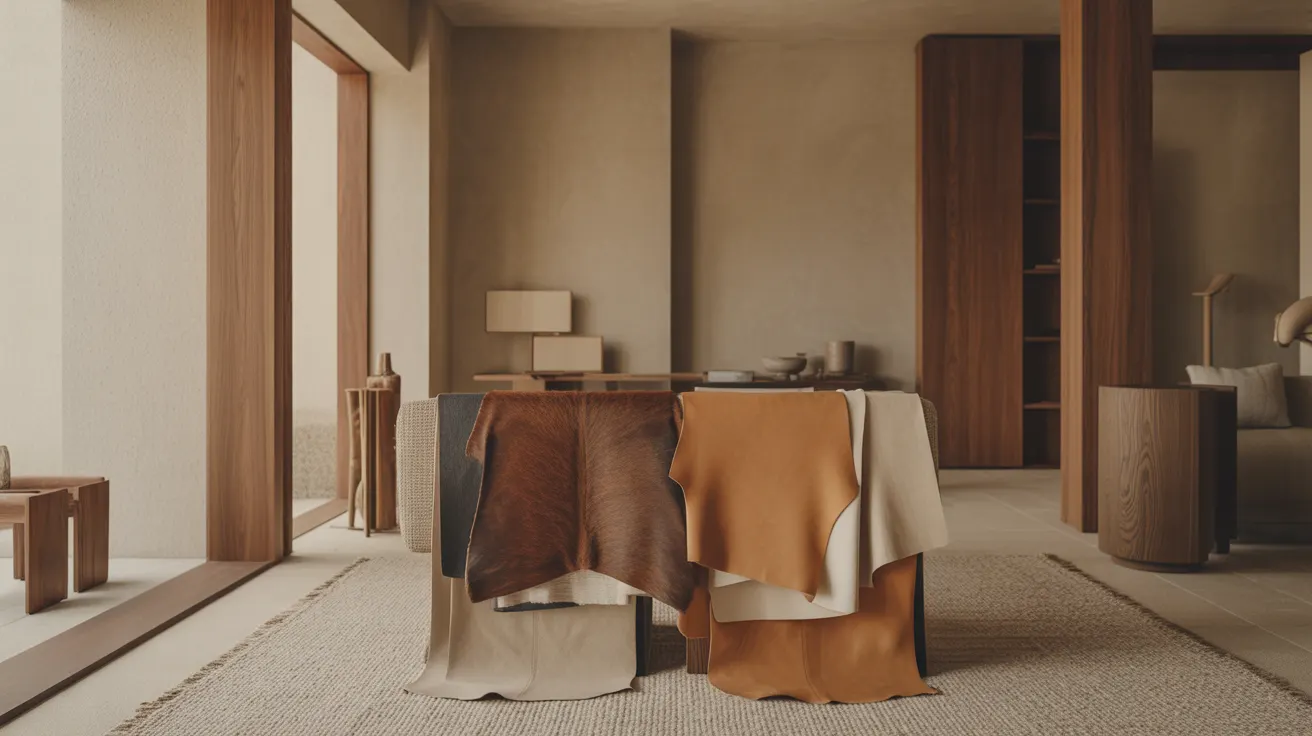
Full-grain, top-grain, genuine, bonded: leather grades explained simply, so you can tell real quality from marketing and choose the right sofa leather.
Leather grade tells you which layer of the hide you're getting and how much it's been processed, and that single fact drives durability, feel, price, and how the leather ages. The short hierarchy: full-grain is the strongest and most natural, top-grain is refined and consistent, "genuine leather" is a low-to-mid layer with a heavy finish, and bonded leather is reconstituted scraps. Once you can place a label on that ladder, the marketing stops working on you.
How a hide becomes leather (and why grade matters)
A cowhide isn't uniform. The outer surface, the part that faced the world, has the tightest, strongest fiber structure and the natural grain. As you split the hide into layers, each lower layer is weaker and less characterful. Leather grade is essentially a description of how high up the hide your piece comes from, and how much sanding, coating, and correcting has been done to it.
That matters because the top layer is what gives leather its legendary toughness and its ability to develop a patina, the soft, deepened sheen that good leather earns over years of use. Strip that layer away or coat it heavily, and you lose both.
The leather grades, from best to budget
| Grade | What it is | Durability | Look & feel | Ages into a patina? | Price |
|---|---|---|---|---|---|
| Full-grain | Entire top layer, surface intact | Highest | Natural, shows hide character | Yes, beautifully | Highest |
| Top-grain | Top layer, lightly sanded & finished | High | Smooth, uniform, soft | Modestly | High |
| Genuine ("corrected") | A lower split, heavily finished | Moderate | Stiffer, uniform, coated | Rarely | Mid |
| Bonded | Shredded scraps glued to a backing | Low | Plastic-like, can peel | No | Lowest |
Full-grain leather
This is the whole top layer of the hide with its natural surface untouched, no sanding away of marks or imperfections. It's the strongest leather you can buy, breathes well, and develops a rich patina that many people prize. The trade-off is that it shows the hide's life: small scars, insect marks, or grain variation are part of the look, not defects. If you want leather that gets better with age and lasts for decades, this is the benchmark.
Top-grain leather
The same upper layer as full-grain, but the very surface is sanded to remove imperfections, then finished for a smoother, more uniform appearance. This is the most common premium upholstery leather because it balances durability with a clean, consistent look and a softer hand. It resists stains a bit better than full-grain thanks to the finish, but it ages more subtly and doesn't develop quite the same depth of patina.
"Genuine leather" and corrected-grain
Here's the word that trips people up: "genuine leather" sounds reassuring, but in grading terms it usually refers to a lower split of the hide, heavily sanded and given an artificial grain and a thick coating. It is real leather, but it's the entry tier, stiffer, less breathable, and prone to cracking sooner under daily use. Treat "genuine leather" as a minimum claim, not a quality claim.
Bonded leather
Bonded leather is leather only by courtesy: it's shredded leather scraps and dust, glued and pressed onto a fabric or fiber backing, then coated and embossed to look like hide. It's the cheapest option and looks fine when new, but the surface coating tends to crack, flake, and peel within a few years, especially in high-use spots. For a sofa you plan to keep, bonded leather is the one to avoid.
If you're weighing leather against upholstery more broadly, our leather vs. fabric sofa comparison covers comfort, maintenance, and lifestyle fit side by side.
Aniline, semi-aniline, and pigmented finishes
Grade tells you which layer; finish tells you how it's colored and protected, and it changes the experience just as much.
- Aniline. Dyed all the way through with no surface pigment, so the natural grain shows fully. The most luxurious, softest, and most breathable finish, and the most easily marked by spills and sun. Best for adults, lower-traffic rooms, and people who love a lived-in look.
- Semi-aniline. Aniline dyeing plus a light protective topcoat. A practical middle ground: most of the natural beauty with meaningfully better stain and fade resistance. A strong default for family living rooms.
- Pigmented (protected). A pigmented surface coat over the leather, giving the most uniform color and the toughest resistance to scratches, spills, and fading. The most kid- and pet-friendly, at the cost of some softness and natural character.
A full-grain hide with a semi-aniline finish, for instance, gives you top-tier durability with everyday livability. Grade and finish work together; read both on the spec sheet.
How to read a leather label without being misled
- Look for the layer, not the adjective. "Full-grain" and "top-grain" describe the hide. "Genuine leather," "bonded leather," and "bicast leather" all signal lower tiers.
- Watch for vague terms. "Leather match" means leather on the seating surfaces and a leather-look material elsewhere. "Faux," "PU," and "bicast" are not full leather.
- Feel for temperature and give. Real top-layer leather warms to the touch and has a supple, slightly irregular hand. A cool, perfectly uniform, plasticky surface suggests heavy coating or bonded material.
- Smell and look at the edges. Quality leather has a faint natural scent; cut or seam edges should look like leather through and through, not like a coating over fabric.
Because materials vary by piece, always check the individual product specification rather than assuming a grade from photos. On LoftLoom, the product title says whether a piece is genuine or faux leather; the grade is rarely stated, so confirm with us before you decide.
Caring for leather so the grade pays off
Buying good leather only matters if you maintain it. Keep leather out of direct sun and away from heat sources to prevent drying and fading, dust and wipe it regularly, blot spills promptly rather than rubbing, and condition it once or twice a year to keep the fibers supple. Aniline leathers need the gentlest hand; pigmented leathers tolerate more. Our leather sofa care guide walks through a simple routine that keeps any grade looking its best.
Shop this guide
The short version
Leather grade describes which layer of the hide you're getting and how much it's been processed. Full-grain is the strongest and ages best, top-grain is the refined everyday premium, "genuine leather" is the entry tier dressed in a flattering name, and bonded leather is reconstituted scraps best avoided for lasting furniture. Pair the grade with the right finish, aniline for beauty, pigmented for toughness, check the product spec, and care for it properly, and good leather will reward you for years.
Want to compare leather types in person? Shop Sofas and check the material details on each piece before you commit.
Frequently asked questions
What is the best leather grade for a sofa?
For longevity and character, full-grain is the top choice; for a balance of durability and a refined, uniform look, top-grain is the popular premium pick. For busy households with kids or pets, a top-grain hide with a semi-aniline or pigmented finish is often the most practical combination of toughness and good looks.
Is "genuine leather" good quality?
Not especially. Despite the reassuring name, "genuine leather" typically refers to a lower split of the hide with a heavy finish. It's real leather but sits near the bottom of the quality ladder, below full-grain and top-grain, and tends to wear and crack sooner.
Why is bonded leather so cheap, and should I avoid it?
Bonded leather is made from shredded leather scraps glued to a backing, which makes it inexpensive but prone to peeling and flaking within a few years. For a sofa you intend to keep, it's worth avoiding. It can be acceptable for low-use, short-term, or budget-driven pieces.
Does full-grain leather scratch easily?
Full-grain shows scratches and marks more readily than coated leathers, but on aniline and lightly finished full-grain, many of those marks buff out or blend into the developing patina. If you want a surface that hides wear, choose a pigmented or protected finish, knowing you trade away some natural softness.
What's the difference between aniline and pigmented leather?
Aniline leather is dyed through with no surface pigment, so it looks and feels the most natural but marks and fades more easily. Pigmented leather has a protective colored coating, making it far more resistant to spills, scratches, and sun, at the cost of some suppleness and natural grain.