Materials & Quality
Pet-Friendly Furniture and Fabrics: What Holds Up to Cats and Dogs
7 min read
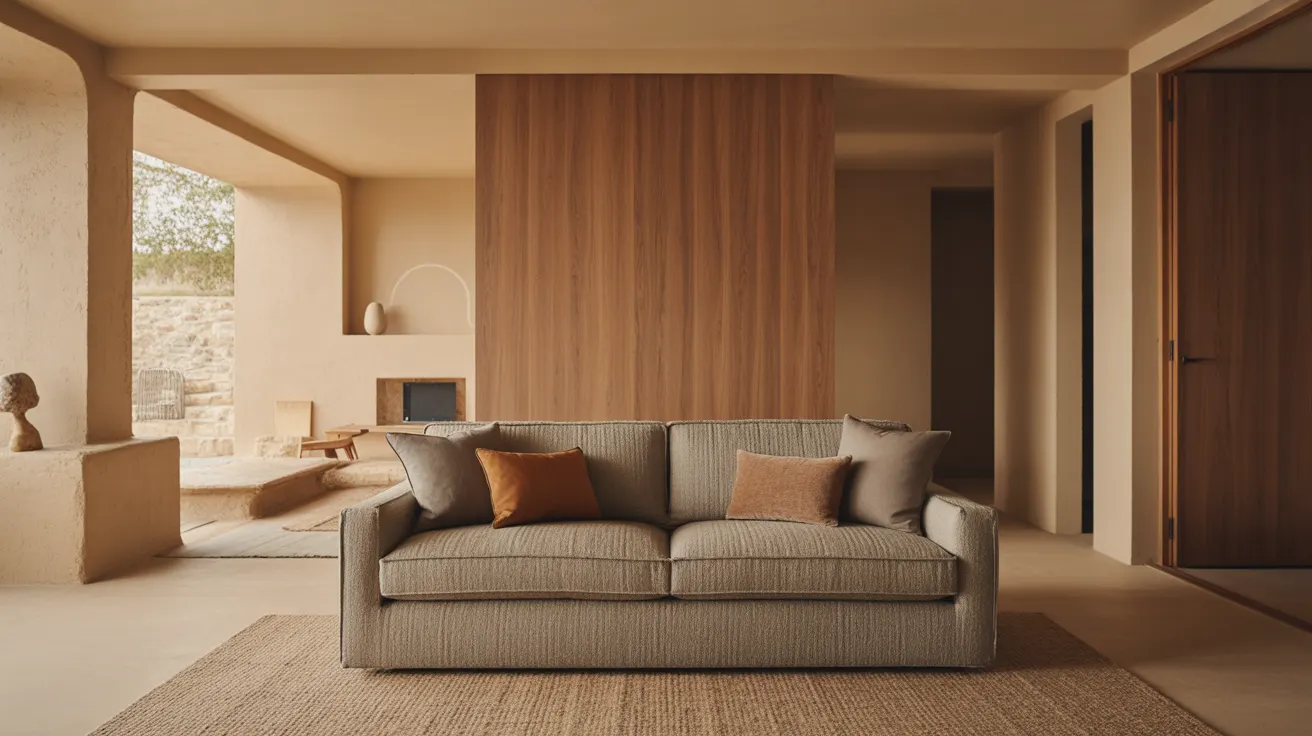
Live with cats or dogs? A practical guide to pet-friendly furniture and fabrics — the best upholstery for fur, claws, and accidents, plus colors and care.
The good news for pet owners: you don't have to choose between a home that looks considered and one that survives a dog and two cats. The trick is matching the fabric, color, and construction to the specific ways your animals use furniture — fur, claws, and the occasional accident — rather than buying on looks and hoping. This guide covers the upholstery that actually holds up, the colors that hide the most, and the small choices that keep pet-friendly from meaning compromise.
Start with how your pet actually uses the furniture
Before comparing fabrics, picture your animal. A short-haired dog who naps on the sofa is a different challenge from a cat who treats the arm as a scratching post, which is different again from a senior pet who has the occasional accident. The right material depends on which of these you're solving for.
The three pet problems furniture has to handle:
- Fur — sheds onto and clings to upholstery; some weaves release it, some grip it.
- Claws — snag, pull, and shred loops and loose weaves; flat, tight weaves resist them.
- Accidents and dirt — liquids, mud, and odor; some fabrics blot clean, some absorb and stain.
Most homes need to handle all three, which is why one fabric category tends to win.
The best fabrics for pets, compared
Here's how the common upholstery options actually perform with animals in the house.
| Fabric | Fur release | Claw resistance | Cleanability | Verdict for pets |
|---|---|---|---|---|
| Performance fabric (tight weave) | Good — wipes/brushes off | Good when flat and tight | Excellent — most spills blot away | Best all-around choice |
| Leather | Excellent — fur won't cling | Poor — visible scratches | Excellent — wipes clean | Great for fur and spills; risky with scratchers |
| Microfiber | Good | Moderate | Good | Solid budget-friendly option |
| Tightly woven canvas / denim weave | Moderate | Good | Moderate | Durable, casual |
| Linen | Poor — shows and holds hair | Moderate — can pull | Moderate — absorbs spills | Workable in calm pet homes |
| Bouclé / loop weaves | Moderate | Poor — claws snag loops | Poor — traps spills | Avoid with cats and clawing dogs |
| Velvet | Shows hair | Poor — pile crushes and snags | Moderate | Looks great, high-maintenance |
The standout for most pet households is performance fabric — synthetics engineered so stain resistance is built into the fiber rather than sprayed on top. Most accidents bead up or blot away, fur brushes off, and a tight flat weave gives claws nothing to hook. We unpack exactly how it works in what is performance fabric, and compare it head-to-head against bouclé and linen in our sofa upholstery guide.
A quick durability signal worth knowing: the double rub count, a standard abrasion test. Around 15,000 double rubs suits light home use; 25,000+ is good for everyday family sofas; many performance fabrics test at 50,000–100,000. For pets, aim toward the higher end.
Leather: a real contender, with one caveat
Leather deserves its own note because it's genuinely excellent in two of the three pet challenges. Fur doesn't cling to it, and spills, mud, and accidents wipe straight off — no fabric traps odor the way upholstery can. Many dog owners swear by it.
The caveat is claws. Cats and some dogs will leave visible scratches in leather, and those marks don't brush out. If you have a determined scratcher, leather is risky; if your pets are mainly shedders and nappers, it's one of the easiest materials to live with. Full-grain leather develops a patina that can absorb light marks into its character, while more processed leathers show damage more starkly.
Color and pattern: the quiet pet-proofing trick
Material is half the battle; color is the other half. The smartest move is to choose upholstery that's close in tone to your pet's coat — a fawn fabric for a golden retriever, a charcoal for a black cat — so the inevitable fur reads as far less visible. Mid-tones and subtle textures hide the most: very dark fabrics show light fur and dust, while crisp solid pale fabrics show dark fur and every paw print.
A faint tonal texture or a low-contrast pattern disguises both hair and minor marks better than a flat solid in any color. If you're set on a pale, smooth fabric, just know you're signing up for more frequent grooming of the sofa.
Construction and design choices that help
Fabric matters most, but a few structural choices make pet life easier:
- Removable, washable cushion covers turn an accident from a crisis into a laundry load. Check whether covers are machine-washable before you buy.
- Tight, flat upholstery over deeply tufted or button-detailed designs — tufting collects fur and crumbs in every dimple.
- Raised legs that let you (or a robot vacuum) clean the fur drift underneath, rather than a skirted base that hides it.
- Modular or sectional designs so a single damaged section can be cleaned, rotated, or eventually replaced without retiring the whole piece.
- A washable throw or pet blanket over your pet's favorite spot — the simplest protection of all, and easy to toss in the wash.
Living with it: easy upkeep that keeps pieces looking good
Pet-friendly furniture still benefits from a light routine. Vacuum or brush upholstery weekly with an upholstery attachment or a rubber pet-hair brush to lift fur before it works into the weave. Blot spills immediately — never rub, which pushes them deeper — and clean according to the fabric's code (most performance fabrics take water-based cleaners). Wipe leather with a damp cloth and condition it occasionally. Rotate and flip reversible cushions so wear and naps spread evenly, and keep a designated pet throw on the favorite napping spot so most of the fur lands somewhere washable.
Shop this guide
- 24" X 36" Stonewashed Sage Medallion Pillow Style Pet Bed
- Stonewashed Blue Pillow Style Pet Bed With Removable Cover
The short version
You can have a pet home that still looks intentional. Match the fabric to your animals: tightly woven performance fabric is the best all-around choice, leather is excellent for shedders but scratches, and looped fabrics like bouclé are the ones to avoid with claws. Pick a color near your pet's coat with a subtle texture to hide fur, choose removable washable covers and raised legs, and keep a washable throw on the favorite napping spot. A little upkeep does the rest.
Ready for a sofa built for real life with animals? Shop Sofas and filter for durable, easy-clean upholstery — and read our fabric comparison to choose the right weave for your pets.
Frequently asked questions
What is the best sofa fabric for pets?
For most households, a tightly woven performance fabric — it releases fur, resists claw snags when flat and tight, and lets you blot away accidents. Leather is also excellent for shedding and spills but can scratch. The fabrics to avoid with cats and clawing dogs are bouclé and other looped weaves, which snag, and velvet, which shows hair and crushes.
Is leather or fabric better for pet owners?
It depends on your pet. Leather is better for fur and accidents — nothing clings or absorbs odor, and it wipes clean — but it scratches visibly, so it's risky with cats and determined dogs. A durable performance fabric is the safer bet if claws are your main concern, since a tight flat weave gives them nothing to hook.
What color furniture hides pet hair best?
Choose a color close to your pet's coat so fur blends in, and favor mid-tones with a subtle texture or low-contrast pattern. Very dark solids show light fur and dust; crisp pale solids show dark fur and paw prints. A faint tonal texture disguises both hair and minor marks better than any flat solid.
How do I protect a sofa from cat scratching?
Choose a tight, flat, durable weave (or microfiber) that gives claws nothing to pull, and avoid looped fabrics like bouclé entirely. Cover favorite scratching spots with a throw, provide an appealing scratching post nearby, and consider modular pieces so a marked section can be addressed without replacing the whole sofa.
Are performance fabrics really pet-proof?
No fabric is fully pet-proof, but quality performance fabric comes closest for everyday life — stain resistance is engineered into the fiber, abrasion ratings run high, and fur brushes off easily. Pair it with prompt spot-cleaning and regular vacuuming and it handles a busy pet household with very little drama.