Materials & Quality
Furnishing a Shared Apartment With Roommates: Who Buys What
7 min read
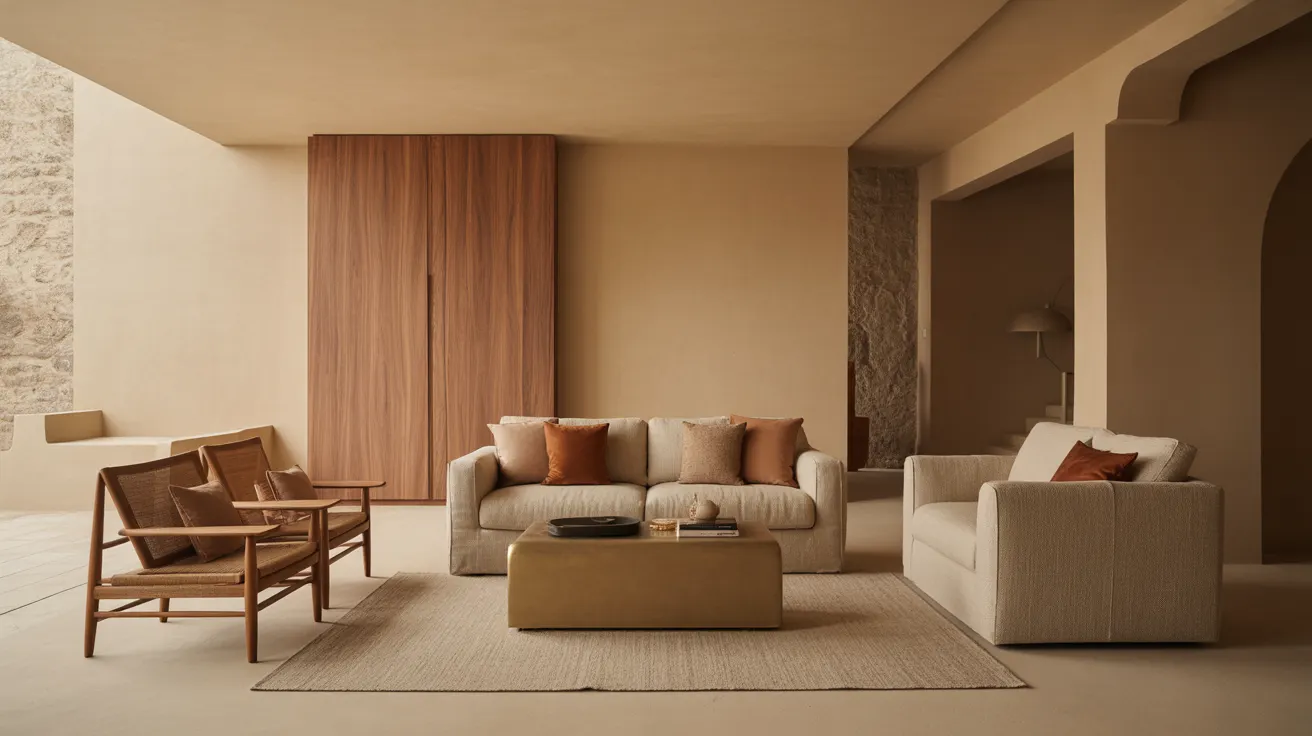
Moving in with roommates? A fair, practical guide to furnishing a shared apartment — who buys what, splitting costs, shared vs. personal pieces, and move-out plans.
Furnishing a place with roommates is mostly a logistics problem dressed up as a decorating one. The furniture choices are the easy part; the questions that actually cause friction are who buys what, how to split costs fairly, and what happens to the sofa when someone moves out. Settle those before anything is purchased and the rest falls into place. This guide covers the conversation to have first, a practical division of who-buys-what, and how to make a shared space feel pulled together without anyone overspending.
Have the money-and-exit conversation first
The most important step in furnishing a shared apartment happens before anyone opens a shopping cart. Sit down together and agree on three things: a rough budget for shared spaces, how you'll split the cost of communal pieces, and — crucially — what happens to those pieces when the lease ends or a roommate leaves. This last point is the one people skip and later regret.
There are three clean ways to handle shared furniture, and any of them works as long as everyone agrees up front:
- Each person owns specific pieces. You buy the sofa, your roommate buys the dining table and chairs, someone else buys the rug and lamps. When you leave, you take what's yours. Simple ownership, no math at the end.
- Split costs and co-own. You pool money for big shared items and agree in advance how to handle them at move-out — sell and split the proceeds, or one person buys the others out at a fair, depreciated price.
- Mix both. Co-own a few big anchors, individually own the rest. Most successful shared apartments land here.
Write down who paid for and owns what. A shared note or spreadsheet feels overly formal until the day someone moves out and it quietly prevents an argument.
Who buys what: a fair division
Once ownership is settled, divide the actual pieces so no one person bears an unfair share. A common, balanced approach assigns big-ticket items across roommates by rough value:
| Piece | Typical cost weight | Good way to assign |
|---|---|---|
| Sofa / seating | Highest | One person owns it, or co-own and split |
| Dining table + chairs | High | A different person from whoever owns the sofa |
| Coffee table / media console | Medium | Round out whoever spent less elsewhere |
| Area rug | Medium | Co-own (it anchors a shared room) or assign |
| Lighting (floor/table lamps) | Lower | Easy individual buys to balance the ledger |
| Kitchen + bathroom basics | Lower–medium | Split evenly; everyone uses them daily |
| Decor, plants, small accents | Lowest | Individual, low-stakes, personality pieces |
The goal isn't a perfect penny-split — it's that everyone contributes roughly fairly and owns something they'll be happy to take with them. If one person can't match the others' budget, let them cover more of the lower-cost, ongoing items (cleaning supplies, consumables) to even things out.
Shared spaces vs. personal rooms
Draw a clear line between communal areas and private bedrooms, because they call for different strategies.
Shared spaces (living room, dining, kitchen) should be functional, durable, and neutral enough that everyone can live with them. This isn't the place for one person's bold aesthetic — it's the place for pieces that wear well and don't provoke daily friction. Prioritize seating that fits everyone, a table that works for both meals and laptops, and easy-clean surfaces for a space that sees heavy, shared use.
Personal bedrooms are where individual style and ownership live cleanly. Each person furnishes their own room, owns those pieces outright, and takes them at move-out. This keeps the shared budget focused on common areas and lets everyone express themselves privately. If a roommate is furnishing a first place, our first-apartment furniture checklist is a useful starting point for the bedroom essentials.
Prioritize seating, surfaces, and storage
With shared budgets, spend in the order things get used. The first three priorities in nearly every shared apartment:
- Enough seating for everyone, plus a guest or two. A sofa plus an accent chair, or a sofa plus floor poufs, beats a single loveseat that leaves people standing. Sectionals and modular pieces are excellent here — they seat more and can be rearranged as roommates come and go.
- A table that works for meals and work. In shared apartments the dining table doubles as a desk, a study spot, and a gathering point. An extendable table flexes from daily use to having everyone's friends over.
- Storage everyone can use. Shared apartments accumulate stuff fast. A media console, a few shelves, and a console or baskets by the door keep communal chaos in check. Storage ottomans and benches add seating and hide clutter at once.
Decorative flourishes and matched aesthetics come after these are handled. A functional shared space that everyone can actually use beats a pretty one that doesn't seat the household.
Making it look pulled together (without overspending)
A shared apartment furnished by committee on a budget can still look intentional. The trick is a little restraint and a little coordination.
- Agree on a loose, neutral base palette for shared rooms — warm neutrals, wood tones, one or two quiet accent colors. It lets everyone's individually bought pieces coexist instead of clashing.
- Mix higher and lower spend deliberately. Put the budget into the one or two pieces that get used hardest — usually the sofa — and save on the rest. Our guide to mixing high and low shows how to get a considered look without everyone splurging.
- Let a rug do the unifying. A single shared area rug pulls mismatched pieces into one coherent room more effectively than almost anything else.
- Buy a few things together — even just a rug and a coffee table — so the room has some intentional anchors among the individually owned pieces.
Planning for move-out from day one
Because roommates change, choose furniture with its eventual exit in mind. Favor pieces that are easy to move, sell, or reassign: modular sofas that come apart, knock-down tables, and quality items that hold resale value. Keep a shared record of who owns what and what each person paid. When a roommate leaves, you already know whether they take their pieces, sell them, or get bought out — no scrambling, no resentment. Furniture that's well-made enough to retain value also means a departing roommate recovers a fair share and the apartment keeps pieces worth keeping.
The short version
Furnishing with roommates is settled before the shopping starts: agree on a shared budget, how you'll split costs, and what happens to communal pieces at move-out — and write it down. Divide big-ticket items so everyone owns something of fair value, keep bedrooms individually owned, and prioritize seating, a flexible table, and shared storage over decor. A neutral shared palette and one unifying rug make mismatched pieces look intentional. Choose furniture that's easy to move and holds value, and the whole arrangement stays fair from move-in to move-out.
Setting up a place with roommates? Furnish the shared rooms with durable, neutral pieces everyone can live with across our shop by room, and balance the budget with our guide to mixing high and low.
Frequently asked questions
Who should buy what furniture when living with roommates?
Divide big-ticket items so each person owns something of roughly equal value — one buys the sofa, another the dining set, another rounds it out with the coffee table and rug — and split everyday basics (kitchen, bathroom, cleaning supplies) evenly. Each person furnishes and owns their own bedroom. Write down who owns what so move-out is simple.
How do roommates split the cost of shared furniture?
Three approaches work: each person individually owns specific pieces, roommates co-own big items and agree in advance how to handle them at move-out (sell and split, or buy out at a depreciated price), or a mix of both. The key is agreeing — and writing down — the plan before buying, including what happens when someone leaves.
What furniture should roommates prioritize buying first?
Seating for everyone (a sofa plus an extra chair or poufs), a table that works for both meals and laptops, and shared storage. These get used hardest in a shared apartment. Decor and matched aesthetics come after the space actually functions for the whole household.
How do you make a shared apartment look good when everyone buys different things?
Agree on a loose neutral palette for shared rooms so individually bought pieces coexist, anchor the space with one shared rug, and put the budget into the one or two hardest-used pieces while saving on the rest. A few items bought together give the room intentional anchors among the mix.
What happens to shared furniture when a roommate moves out?
Whatever you agreed up front — which is exactly why the conversation matters before buying. With individual ownership, each person takes their own pieces. With co-owned items, you either sell and split the proceeds or one roommate buys the others out at a fair, depreciated price. A written record of who paid for what keeps it clean.