Materials & Quality
Decorating When You and Your Partner Disagree on Style
7 min read
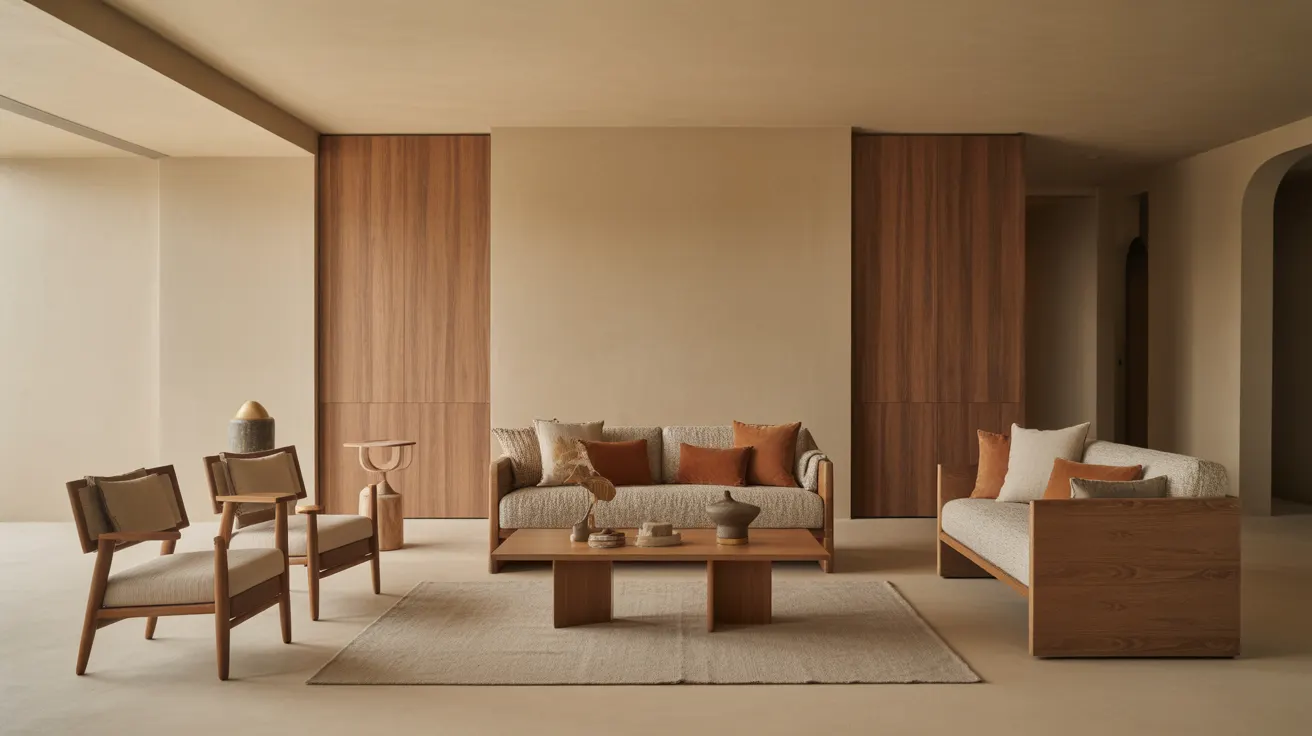
Decorating with a partner who has a different style? A calm, practical guide to finding common ground and building a home that feels like both of you.
If you love airy minimalism and your partner loves warm, layered maximalism, decorating together can feel like a negotiation neither of you is winning. The good news: a home that reflects two people is almost always more interesting than one that reflects a single, tidy taste. The goal isn't for someone to win. It's to find the overlap you both actually like, divide the decisions fairly, and let the home become a record of two people, not a compromise that satisfies no one. Here's how to get there without it turning into an argument about a coffee table.
First, name what's really going on
Most "style fights" aren't about style. A sofa stands in for bigger feelings — about whose home this is, who feels at home here, whose taste gets taken seriously. When one person quietly cedes every decision, resentment moves in with the furniture.
So before you shop, say the quiet part out loud, kindly: this home should feel like both of you. Not 70/30. Not "yours upstairs, mine in the garage." Both. Naming that goal early turns the project from a contest into a shared one, and it's worth more than any styling trick that follows.
A small reframe helps: you're not trying to merge two styles into one bland average. You're building a third thing — your home together — that borrows the best of each.
Find the overlap before the differences
It's tempting to start with what you disagree on. Start with agreement instead. Almost every couple shares more than they think once they look past labels.
Try this together, separately at first:
- Each save 10–15 images of rooms you love — a shared folder, a pinboard, screenshots.
- Swap and look for the common threads. You're hunting for what overlaps: a color you both gravitate toward, a level of warmth or coolness, wood tones, how busy or calm the rooms are, materials that recur.
- Write down 3–5 shared "yes" qualities. "We both like natural light, wood, and not-too-cluttered" is a foundation. So is "we both hate cold gray and clutter."
That shared list becomes your filter. Almost any specific piece can be evaluated against it, which moves arguments off taste ("I don't like it") and onto criteria you both agreed to ("does this fit our three yeses?").
The frameworks that keep the peace
A few simple structures prevent the same fight from recurring in every room.
1. Neutral envelope, personal layers
Agree on a calm, shared backdrop — wall color, big upholstery, rugs, the large permanent pieces — and let each person express themselves in the swappable layers: art, cushions, objects, books. A neutral envelope is the great diplomat here; it gives both styles room to coexist without clashing. (Our neutral palette guide shows how to build a backdrop that's calm but not boring.) The big, expensive, hard-to-change things stay common ground; the cheap, easy-to-change things hold personality.
2. Divide by room or by zone
Give each person clear authority somewhere. One takes the lead on the office, the other on the bedroom; shared rooms are decided together. Knowing you have a space that's yours makes it far easier to compromise in the shared ones. This isn't segregation — it's making sure both people get a place that's unmistakably theirs.
3. Each person picks one non-negotiable
Everyone gets one "this stays, no debate" item — the inherited chair, the bold art, the reading lamp. Honoring one beloved piece each buys enormous goodwill and reminds you both that the home holds your histories, not just a look.
4. The veto, used sparingly
Each person gets a small number of vetoes on the other's choices — say, two per room. Scarce vetoes force you to spend them on what truly matters and let the small stuff through. It's a remarkably effective way to stop bickering over every lamp.
Blending two styles so it looks intentional
When you do mix, a few moves keep "his and hers" from looking like two rooms colliding:
- Unify with a tight palette. Different shapes and eras read as collected — not chaotic — when they share a restrained color story. Cohesion is what makes a mix look deliberate.
- Repeat a material across both styles. If one of you loves sleek and the other loves rustic, let warm wood (or black metal, or linen) appear in both their picks. A repeated material is the thread that ties opposites together.
- Balance, don't alternate. Spread each person's pieces through the room rather than clustering "your side" and "my side." Distribution reads as one designed room; clustering reads as a truce.
- Let contrast be the point. A sleek modern sofa with a vintage wood piece, or minimalist lines softened by layered textiles, is a recognized look — it's much of what makes organic modern and other blended styles feel rich. Two tastes, handled well, create depth one taste can't.
When you're truly stuck, bring in a tiebreaker
Some decisions deadlock no matter how fairly you've set things up — and that's normal, not a relationship failure. A neutral third party can break the tie without either of you "losing" to the other. That's part of what makes a design service so useful for couples: a professional isn't on anyone's side, so a recommendation lands as expertise rather than your partner winning.
If you're at an impasse, LoftLoom's free room plan is built for exactly this. You can each share the rooms you love and what matters most to you, and a designer proposes a cohesive plan that draws from both — turning a standoff into a shared starting point. Sometimes the kindest move is letting someone neutral do the merging.
Above all, keep it warm. The home is for the relationship, not the other way around. A room you compromised on together will always feel better than a perfect room one of you resents.
The short version
- Style fights are usually about feeling at home, not furniture — name "both of us" as the goal up front.
- Start from overlap: each save rooms you love, find common threads, write 3–5 shared "yes" qualities.
- Use frameworks: a neutral shared envelope with personal layers, room-by-room authority, one non-negotiable each, and sparing vetoes.
- Blend with a tight palette, a repeated material, and balanced distribution — contrast becomes depth.
- When deadlocked, a neutral tiebreaker (like a design service) resolves it without anyone "losing."
Two tastes, one home — sometimes a neutral expert is the easiest way to merge them. Get a free design plan and we'll turn both of your wish lists into one plan for the room.
Frequently asked questions
How do couples with different decorating styles agree on a home?
Start with what you both like, not what you disagree on — each saves images of rooms you love and find the common threads. Agree on a neutral shared backdrop, let personality live in swappable layers, give each person authority over a room, and treat the home as a "third thing" that borrows from both.
How do you blend two decorating styles without it looking messy?
Unify the mix with a tight, restrained palette and repeat a shared material (like warm wood or black metal) across both people's picks. Distribute each person's pieces through the room rather than clustering them by "side," and let intentional contrast read as depth rather than conflict.
What if we can't agree on a major piece like a sofa?
Evaluate it against the 3–5 shared "yes" qualities you wrote down together, so the debate is about agreed criteria rather than taste. Use a sparing veto system, and if you're genuinely deadlocked, a neutral third party — like a design service — can break the tie without either of you feeling they lost.
Should each partner get their own room to decorate?
It helps a lot. Giving each person clear authority over at least one space — an office, a study, the bedroom — makes compromising in the shared rooms much easier, because you each have somewhere that feels unmistakably yours. Decide the shared rooms together.
How do we keep style disagreements from becoming real arguments?
Name the real goal early — a home that feels like both of you — so it's a shared project, not a contest. Honor one non-negotiable piece each, keep vetoes scarce so you save them for what matters, and remember the home serves the relationship. A room you agreed on beats a perfect room someone resents.