Rooms & Occasions
How Much Should You Spend on a Mattress? A Value Guide
6 min read
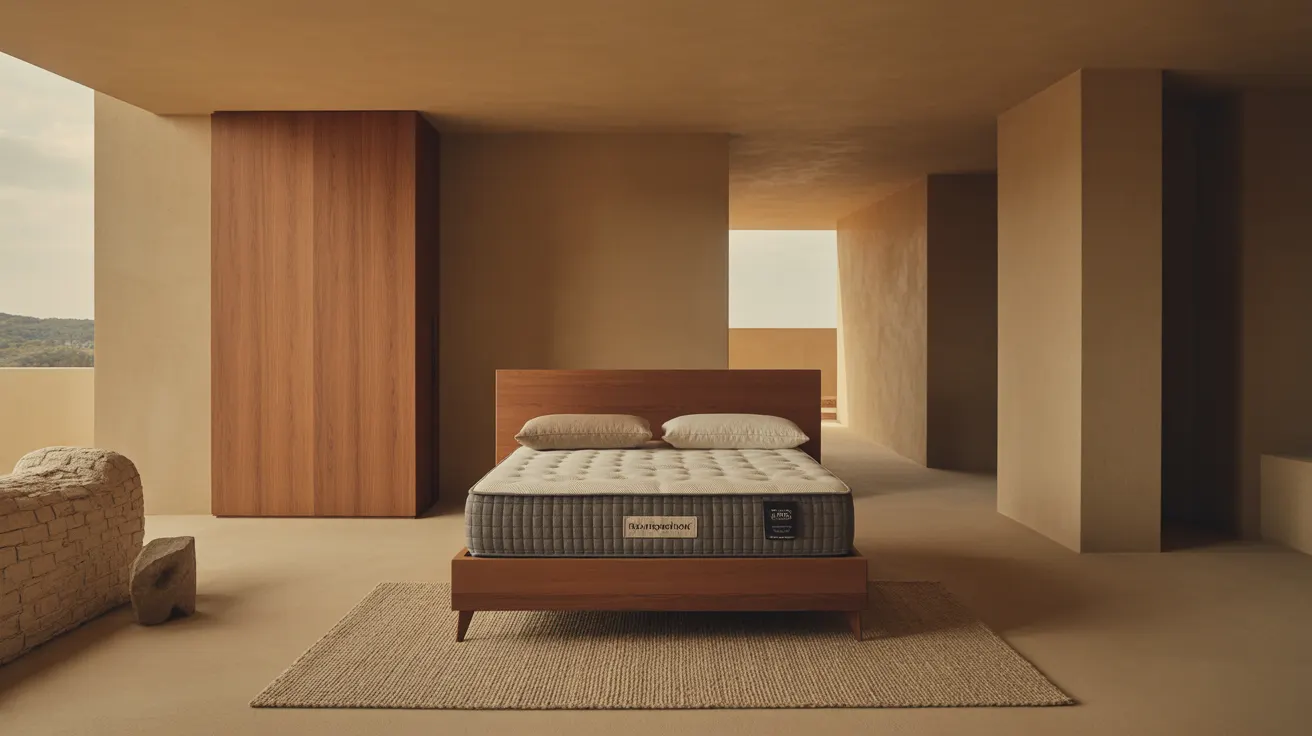
How much should you spend on a mattress? Here's what drives the price, what you get at each quality tier, and how to decide — without chasing the biggest number.
Spend enough to get a supportive, well-made mattress in the type that suits how you sleep — and no more. The honest truth is that mattress price and mattress quality only track each other up to a point. Past that point, you're often paying for marketing, showroom overhead, and finishing touches that don't change how you sleep. This guide explains what actually drives the cost, what you get at each quality tier, and how to land on the right amount for you — all in relative terms, since real prices swing wildly with sales and seasons.
Why a mattress is worth getting right
You spend roughly a third of your life on it, and unlike most furniture, a mattress directly affects how you feel every single day. A mattress that's too soft, too firm, or simply worn out shows up as poor sleep, a sore back, and restless nights. That's the case for not buying the cheapest option you can find. But it's also not a license to overspend — a more expensive mattress is not automatically a better night's sleep.
What actually drives a mattress's price
The materials and their density
The biggest honest cost driver is the quality and density of the materials inside. Higher-density foams, natural latex, individually wrapped coils, and better edge support all cost more to make — and they're also what makes a mattress feel supportive and last. Lower-density foams feel fine in the store but soften and sag faster. Density and coil quality are the parts of the price that buy you durability.
The construction type
Memory foam, innerspring, hybrid, and latex builds carry different baseline costs. Hybrids and latex tend to sit higher because they use more material and more labor; basic foam and innerspring sit lower. Type is partly a price driver and partly a personal-fit decision — our guide to memory foam vs. hybrid vs. innerspring mattresses walks through which suits which sleeper.
Certifications and material safety
Independent certifications — for foam content and emissions, for example — signal that the materials meet a tested standard. They add some cost but offer real reassurance about what you're sleeping on. We cover what the labels mean in our piece on mattress materials and certifications.
What doesn't change how you sleep
A large share of a premium mattress price can be marketing, showroom space, sales commissions, and traditional retail markup. Pillowtop flourishes, exotic cover fabrics, and brand prestige add to the sticker without adding to your sleep. The online and direct model exists largely to strip out that layer — which is why a comparable mattress often costs noticeably less bought that way.
What you get at each quality tier
Think in tiers, not numbers. The same tier costs very different amounts during a sale versus full price.
| Tier | What you typically get | Best for |
|---|---|---|
| Entry | Basic foam or innerspring, lower-density materials, simple cover, thinner profile | Guest rooms, kids' beds, short-term needs, light or occasional use |
| Mid | Higher-density foam or a quality hybrid, better edge and motion support, certified materials | Most adults' primary bed — the value sweet spot |
| Investment | Premium latex or advanced hybrid, top-tier density and coils, refined comfort layers, strong durability | Long-horizon keepers, specific support needs, couples sensitive to motion |
The pattern most shoppers find: the jump from entry to mid buys a meaningful improvement in support, durability, and sleep quality, and it's almost always worth it for your primary bed. The jump from mid to investment buys refinement, premium materials, and longevity — worth it if you have specific support needs, sleep hot or sensitively, or plan to keep the mattress a long time, but optional for many sleepers.
How to decide how much to spend
Start with sleep type, not price. Your sleeping position, body weight, and whether you run hot all point to a mattress type and firmness. Spending more on the wrong type is worse than spending less on the right one. Match the build to your body first, then choose a tier.
Match the tier to the room. Your primary bed deserves the mid or investment range because you use it every night for years. A guest room or a kid's bed that'll be outgrown is a fair place to stay at the entry tier.
Think cost per night, not cost today. A mattress is used roughly every night for many years. Divide the price by the nights you'll realistically sleep on it and even an investment-tier mattress becomes a small daily cost — which reframes whether spending up is worth it.
Use the trial period as your real test. No amount of showroom lying-down tells you what weeks of actual sleep will. A genuine sleep-trial and return policy matters more than any spec, because comfort is personal and can't be fully judged in ten minutes.
Know where extra spending stops paying off. Past the mid-to-investment range, additional cost increasingly buys brand, cover materials, and marketing rather than better sleep. If you're choosing between two well-reviewed mattresses of the right type, the more expensive one is not reliably the better sleep.
The short version
- Spend enough to get a supportive, well-made mattress in the right type for how you sleep — the entry-to-mid jump is the one that reliably improves your sleep.
- Price tracks quality only up to a point; beyond the investment tier, extra cost mostly buys brand and finishing, not better rest.
- Decide by sleep type first, then match the tier to the room and think in cost per night rather than cost today.
- A genuine sleep trial matters more than any spec, because comfort is personal.
Ready to find the right fit? Shop mattresses and use the sleep trial to confirm comfort where it actually counts — in your own bed.
Frequently asked questions
Is an expensive mattress worth it?
Up to a point. Moving from a cheap mattress to a well-made mid-tier one buys real improvements in support and durability. Beyond the investment tier, extra cost increasingly buys brand and finishing rather than better sleep — so the most expensive option isn't reliably the best one for you.
How much should I spend on a good mattress?
Aim for the mid tier for your primary bed — enough to get higher-density materials, good support, and certified foams. Reserve the entry tier for guest rooms and kids' beds, and consider the investment tier only if you have specific support needs or plan to keep it many years.
Why are some mattresses so expensive?
Partly real cost — premium latex, dense foams, and quality coils cost more to make and last longer. Partly not — showroom overhead, marketing, sales commissions, and brand prestige inflate the price without changing how you sleep.
How long should a mattress last?
A quality mattress typically gives many years of good support before it needs replacing, while a low-density entry model can soften and sag much sooner. Higher-density materials are the part of the price that buys you those extra years.
Is it cheaper to buy a mattress online?
Often, yes. The direct-to-consumer model removes showroom and commission costs, so a comparable mattress can cost less. The trade-off is no in-store test, which makes a real sleep-trial period essential.