Sizing Guides
How to Choose a Bed Frame: Styles, Materials, and What to Skip
6 min read
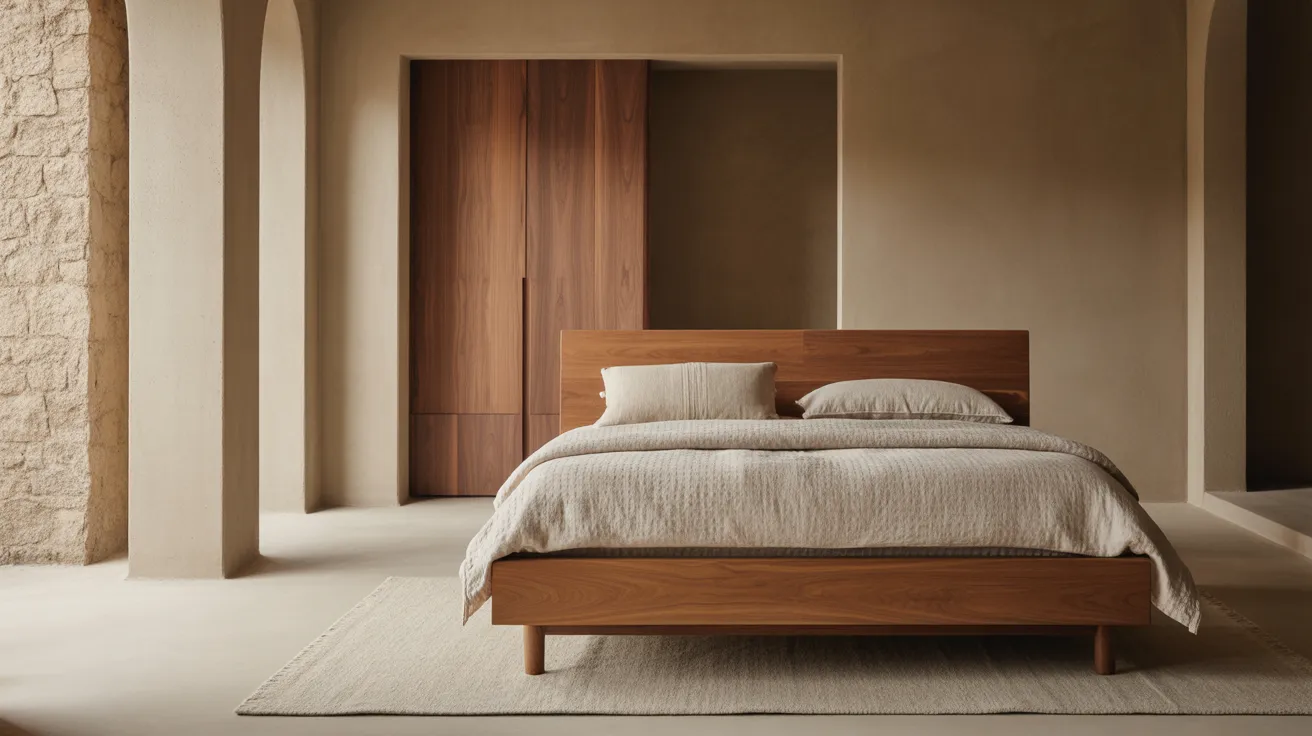
A clear bed frame buying guide: platform vs. panel beds, wood vs. upholstered vs. metal, sizing in inches, and which details are worth skipping.
Choose a bed frame in this order: support type first (platform frames need no box spring; traditional panel frames usually do), then size and floor clearance, then material and style. The support question decides your total bed height and whether your current mattress setup carries over; the floor plan decides what physically fits; the style is the part you get to enjoy every morning. Most people shop in the reverse order — which is how handsome beds end up blocking windows and crowding doorways.
Here's the full sequence, with the measurements that keep you out of trouble.
Step 1: Pick your support type
Platform frames have a built-in support surface — wood slats, a metal grid, or a solid deck — so the mattress sits directly on the frame. No box spring needed. They sit lower, look cleaner, and suit the modern bedroom's calmer lines. Nearly all foam and hybrid mattresses are designed for exactly this kind of even, firm support.
Panel (traditional) frames are built around a headboard and footboard connected by side rails, with the mattress resting on a box spring or foundation. They sit taller and read more classic.
Adjustable-base-ready frames leave an open cavity for a powered base. If an adjustable base is in your future, confirm the frame's interior dimensions before buying — not all platforms accept one.
If you're weighing the box spring question specifically, we've broken it down in Platform Bed vs. Box Spring: What Modern Bedrooms Actually Need. The short answer: most modern mattresses no longer require one.
Step 2: Size the frame to the room, not just the mattress
A frame adds 2 to 5 inches to each mattress dimension — more for storage beds, wingback headboards, or sled-style legs. The mattress chart you've memorized isn't the footprint you're placing.
| Mattress size | Mattress (W × L) | Typical frame footprint | Comfortable minimum room size |
|---|---|---|---|
| Twin | 38 × 75 in. | 41–43 × 78–80 in. | 7 × 10 ft |
| Full | 54 × 75 in. | 57–59 × 78–80 in. | 9 × 10 ft |
| Queen | 60 × 80 in. | 63–65 × 83–86 in. | 10 × 10 ft |
| King | 76 × 80 in. | 79–82 × 83–86 in. | 12 × 12 ft |
| California King | 72 × 84 in. | 75–78 × 87–90 in. | 12 × 12 ft |
Then walk the room on paper:
- Walkways: keep at least 24 inches of clear path on each side you'll use, and 30–36 inches at the foot if it faces the door or a dresser.
- Drawers and doors: a dresser needs roughly 36 inches in front of it to open comfortably; closet doors need their full swing.
- The route in: measure stairwells, hall turns, and the bedroom door. Frames arrive in boxes, but headboards often don't bend.)
Step 3: Decide your heights
Three numbers shape how a bed feels:
- Seat height (floor to top of mattress). The classic comfortable range is 18 to 25 inches — about chair height, so you can sit and stand easily. Low platforms can put the mattress top at 15–18 inches, which looks serene and loft-appropriate but asks more of your knees.
- Under-bed clearance. If storage matters, look for 7 inches or more of clearance — enough for standard under-bed bins. Storage frames with built-in drawers solve it outright but add to the footprint.
- Headboard height. Typically 36 to 58 inches from the floor. Taller headboards anchor high ceilings and king-size walls; lower ones keep small rooms airy and stay clear of window sills. Sit-up-and-read comfort starts around 48 inches with a cushioned or angled surface.
A pairing note: a thick 14-inch mattress on a tall frame can crowd a low window or dwarf a low headboard. Add your mattress depth to the frame's deck height before you commit — and if you're buying both at once, browsing mattresses alongside the frame makes the math easy.
Step 4: Choose material and style
Wood frames bring warmth and weight, and they age well. Solid-wood construction with proper joinery is the durability benchmark; engineered wood keeps cost down but check the slats and rail connections, which carry the real load.
Upholstered frames — linen-look weaves, bouclé, performance fabrics — soften a bedroom instantly and make the headboard a comfortable backrest. They invite dust, so they suit people who vacuum more than occasionally, and light fabrics deserve thought in homes with pets.
Metal frames are the most slender visually and often the most affordable. Quality varies most here: look for thick-gauge steel and welded (not just bolted) joints. Thin tube metal is where squeaks are born.
On style, let the room lead. Low platforms and clean rails suit the warm-modern, loft-leaning bedroom; wingback upholstered frames suit rooms that want softness; cane and slatted headboards add texture without weight. The bed is the largest object in the room — its lines set the tone for everything else in your bedroom.
What to skip
A few features look appealing on a listing page and underdeliver in real life:
- Slats spaced wider than 3 inches. Foam mattresses sag into wide gaps, and many mattress warranties specify maximum slat spacing. Count the slats in the listing photos if you have to.
- Queen and king frames without a center support rail and leg. Without center legs, side rails bow within a year or two. This single detail predicts longevity better than brand or price.
- Footboards in small rooms. They add 2–4 inches of visual and literal bulk exactly where walkway space is tightest, and they're the first thing shins find in the dark.
- Unverified weight ratings. A frame should comfortably carry the mattress plus sleepers — look for a stated capacity of 500 pounds or more for two adults, and treat silence on the spec sheet as an answer.
- Headboard-only "deals" that need a separate rail kit. Total the real cost before comparing.
Shop this guide
- White Solid Wood Queen Bed Frame
- Black Ribbed Texture Velvet Upholstered Queen Bed Frame
- Natural and Beige Wood And Upholstery King Bed Frame
The short version
Decide platform vs. panel first — most modern mattresses want a platform and no box spring. Add 2–5 inches to your mattress dimensions for the true footprint, keep 24-inch walkways, and aim for an 18–25 inch finished height. Choose solid wood for longevity, upholstery for softness, slim metal for small rooms — and walk away from wide-spaced slats, missing center legs, and unstated weight ratings. The right frame disappears into ten quiet years of good mornings.
Start with the room's biggest decision — Shop Bedroom for frames built around real proportions.
Frequently asked questions
Do I need a box spring with a platform bed?
No. Platform frames provide the support a box spring would — that's the point of them. Most foam and hybrid mattresses actually perform better on a platform's even surface. Traditional panel frames with side rails are the ones that typically need a box spring or foundation.
How much bigger than the mattress should a bed frame be?
Expect roughly 2 to 5 inches added to both width and length for a standard frame. Storage beds, sled legs, and thick upholstered headboards add more — check the listed exterior dimensions, not just the mattress size.
What is the best height for a bed?
For most adults, a finished height of 18–25 inches from floor to mattress top makes sitting and standing easiest. Lower platforms (15–18 inches) look beautifully minimal but suit younger knees; taller setups help anyone who finds rising difficult.
Are upholstered bed frames worth it?
If you read or work in bed, yes — the padded headboard earns its keep nightly. They do require occasional vacuuming and more care with stains than wood or metal, so weigh fabric choice (performance weaves resist the most) against your household's reality.
How long should a bed frame last?
A solid-wood or quality metal frame should last 10–20 years; well-made upholstered frames typically run 7–15, with fabric tiring before structure. Center support, slat quality, and joint construction matter more than material category.