Comparisons
The Renter's Guide to a Home That Feels Permanent
6 min read
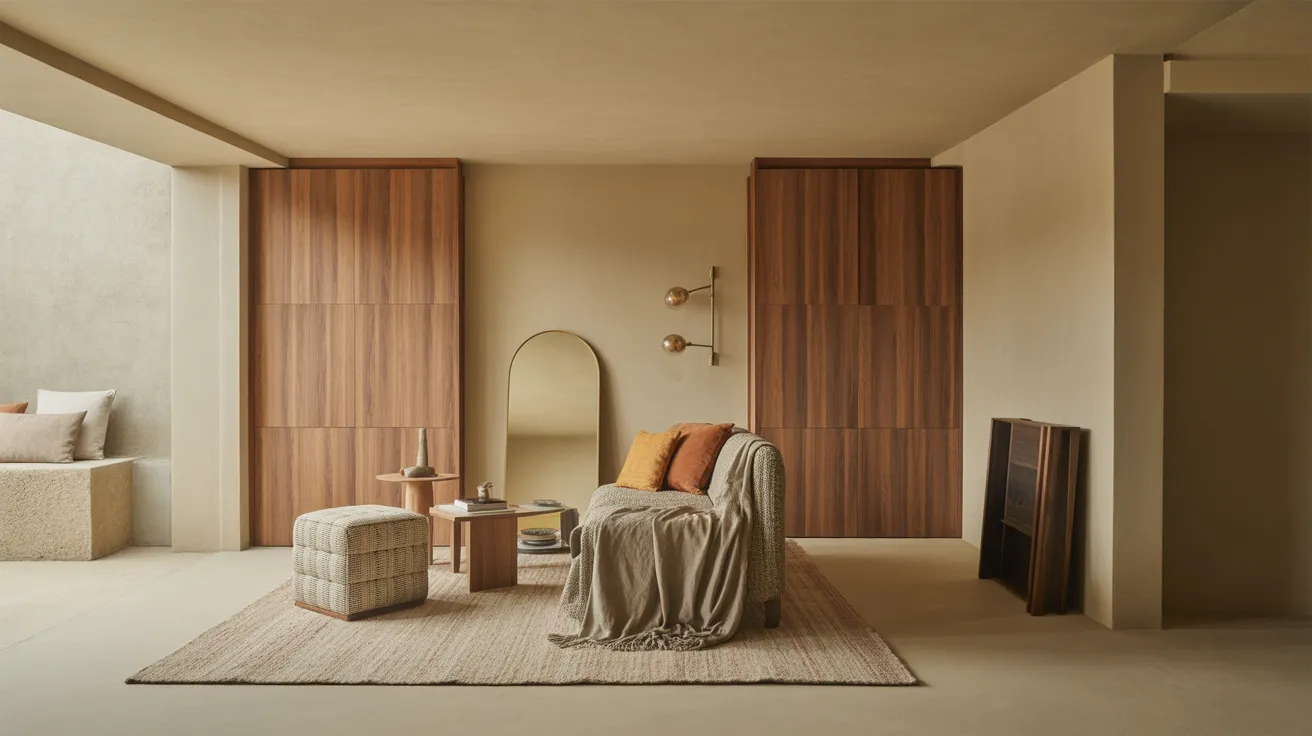
Renting doesn't have to feel temporary. No-drill upgrades, rugs, lighting, and furniture that moves with you — how to make a rental feel like home.
There's a particular limbo to renting: you live here, but you decorate like you're about to leave. The beige walls stay beige, the boxes of "someday" decor stay in the closet, and three years later the apartment still feels like a sublet. The fix isn't permission from your landlord — it's a shift in where you invest, plus a set of no-drill techniques that make a rental feel finished. Here's the whole approach.
The renter's mindset shift: furnish the life, not the unit
Owners invest in the shell — floors, walls, fixtures. Renters should invest in everything that comes with you when you go: the sofa, the rug, the lamps, the bed, the objects you actually look at every day. Framed this way, renting isn't a reason to buy cheap and temporary. It's a reason to buy portable and good — pieces in standard sizes that will work in this apartment and the next two. The landlord owns the box. You own the room.
Everything below follows from that one shift.
Floors: let rugs do the heavy lifting
Nothing marks a space as "temporary" like an expanse of landlord-grade flooring. A properly sized rug rewrites the floor — covering what you didn't choose, warming what's cold, and quietly defining each room's purpose. Sizing is where most renters undercut themselves, so here are the numbers that make a rug read as permanent rather than provisional:
| Room | The rug that feels permanent |
|---|---|
| Living room | 8x10, front legs of all seating on it |
| Bedroom, queen bed | 8x10, extending 18–24" past the bed's sides |
| Narrow entry or hallway | 2'6" x 8' runner, 4–5" of floor showing on each side |
| Dining nook | Table footprint plus 24" on all sides |
A rug pad underneath protects the flooring (your deposit will thank you) and makes even a flat-weave rug feel substantial. Start with the living room — it's the highest-impact floor in the home — and browse area rugs by size first, pattern second.
Lighting: the upgrade you unplug and take with you
Rental lighting is almost always the worst thing about the unit — a single ceiling dome per room, cool-toned bulbs, zero atmosphere. It's also the easiest thing to fix without touching a single wire.
Build each main room up to three light sources at three heights: a floor lamp by the seating, a table lamp on a console or nightstand, and — if the ceiling fixture is beyond saving — simply leave it off. Use 2700K bulbs throughout; warm light is the cheapest renovation that exists. Plug-in sconces and cord pendants (hung from a ceiling hook rated for the weight, patched with putty when you leave) get light up the wall without an electrician. Every piece of it moves out when you do.
Walls: height and presence without drilling
Bare rental walls stay bare because every nail feels like a negotiation. Work around the problem instead:
- Lean, don't hang. A 5–6 foot floor mirror leaned against the wall adds height, doubles light, and requires zero hardware. Oversized art leaned on a console or the floor reads confident, not unfinished.
- Use adhesive hooks honestly. Quality adhesive strips hold framed pieces under about 5 pounds. Save them for lighter frames; lean anything heavier.
- Let furniture be the wall. A tall bookcase, styled with books and a few objects, gives a blank wall texture, color, and vertical presence — and it's the most useful "art" you'll ever own.
- Curtains, hung high. If you do nothing else, replace builder blinds with curtains mounted close to the ceiling at 1.5–2x the window's width (tension rods or existing brackets where drilling is off the table). Floor-grazing fabric makes a rental window look architectural.
Furniture: buy for this apartment and the next one
Permanence, for a renter, means pieces that survive a move — physically and stylistically. A few rules of thumb:
- Favor standard sizes. A 78–84" sofa, a queen bed, a 48–60" dining table: these fit the overwhelming majority of apartments, so the next move won't orphan them.
- Modular beats monolithic. Sectionals that split, shelving that reconfigures, nesting tables — anything that can change shape will outlast any single floor plan.
- Freestanding storage over built-in dreams. A wardrobe, a sideboard, a bar cabinet: they solve the rental's storage gaps now and come along later.
- Choose a palette, not a theme. Warm neutrals with wood, one or two accent tones — rooms built on a consistent palette re-assemble beautifully in a new space.
The finishing layer — ceramics, books, trays, candles, the small things that say someone in particular lives here — is what flips a unit from furnished to inhabited. Build it slowly from the decor collection; three or four honest objects per room beat a weekend haul.
The settled-feeling 80/20
If you only have one free weekend and a modest budget, this is the sequence with the highest return: warm bulbs in every lamp, one 8x10 rug in the living room, curtains hung high and wide, one leaned mirror, and a throw and two pillow covers with real texture. Five moves, no drill, nothing the landlord will ever notice — and the apartment will feel more permanent than most owned homes do.
Shop this guide
- 4" X 4" Black White And Tan Peel And Stick Removable Tiles
- 84" Jet Black Trellis Black Out Window Curtain Panel
- 69" Black Solid Wood Framed Full Length Mirror
The short version
- Invest in what moves with you — sofa, rug, bed, lamps, objects — not the shell you're borrowing.
- Rugs rewrite rental floors: 8x10 living room, 8x10 under a queen, runner in the hall, pad under everything.
- Three light sources per room, 2700K, ceiling dome optional.
- Lean mirrors and art; adhesive strips under 5 pounds; curtains high and wide.
- Buy standard sizes and modular pieces — furnish for this apartment and the next one.
Ready to make the place yours? Shop by Room and build it one space at a time — starting with the room you live in most.
Frequently asked questions
How can I decorate a rental without losing my deposit?
Lean mirrors and art instead of hanging, use adhesive hooks only for pieces under ~5 pounds, put a pad under every rug, and favor freestanding furniture over anything mounted. Photograph the unit before you start so move-out comparisons are easy.
What makes a rental feel temporary?
Usually three things: bare floors, a single overhead light per room, and empty walls. Address those — rug, lamps, leaned mirror or art, curtains — and the bones you can't change stop dominating the room.
Is it worth buying nice furniture for a rental?
Yes, if you buy portable: standard-size, well-made pieces move with you for a decade across multiple homes. The math only fails with pieces tied to one specific space — custom built-ins, odd sizes, anything that can't survive a stairwell.
How do renters deal with ugly rental flooring?
Large rugs with pads underneath. An 8x10 in the living room and an 8x10 under a queen bed cover the majority of what you see, protect the floor itself, and change the feel of the unit more than any other single purchase.
Can I change light fixtures in a rental?
Often you can swap a fixture if you keep the original and reinstall it before moving out — but ask first. The no-permission route works nearly as well: floor and table lamps with 2700K bulbs, plug-in sconces, and simply retiring the overhead light after dark.