Rooms & Occasions
The Best Accent Chairs for Reading: A Buyer's Guide (2026)
6 min read
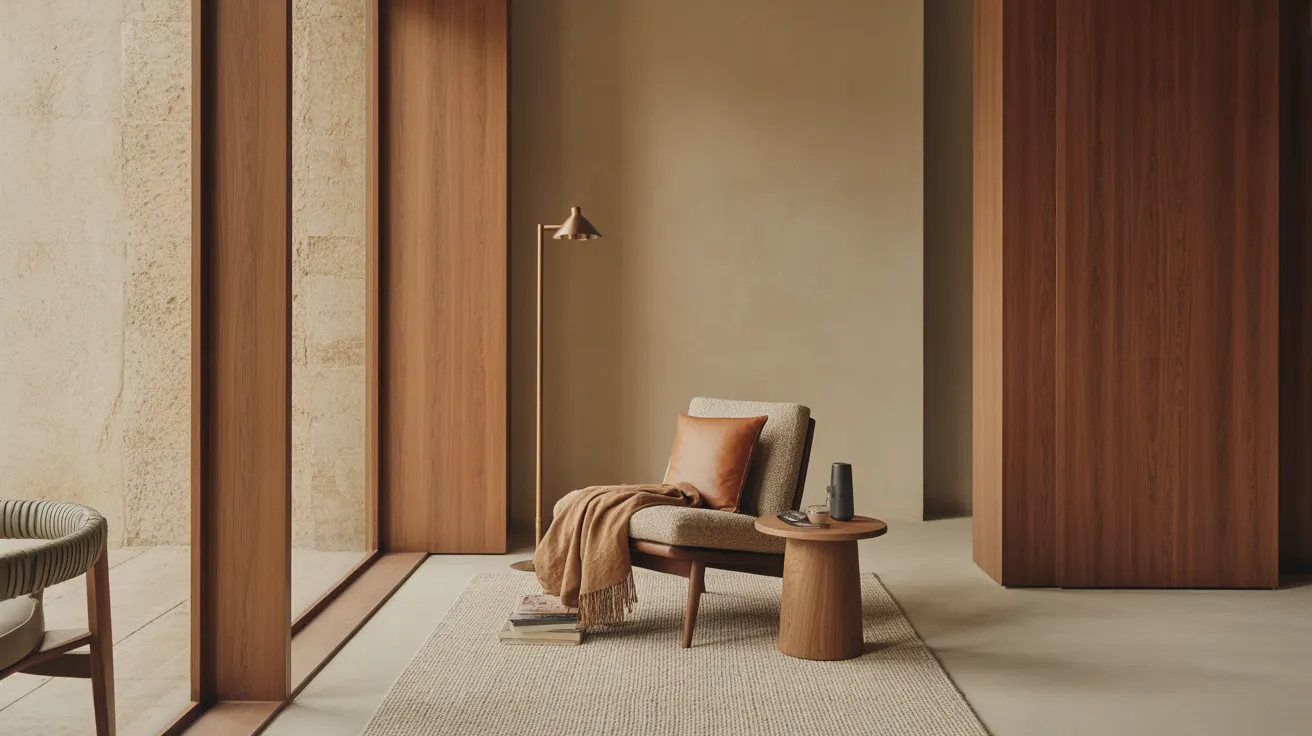
The best accent chairs for reading balance back support, arm height, and depth. Here's what to look for and the types of reading chairs worth considering.
The best reading chair holds you in one comfortable position for an hour without you noticing it. That means real back support, a seat depth that fits your frame, and arms at a height where your elbows can rest while you hold a book. A beautiful chair that leaves your neck aching after twenty minutes isn't a reading chair, it's décor. Below we cover what actually makes a chair good for reading, then the kinds of accent chairs worth considering for a nook, a bedroom corner, or beside the living room window.
What makes an accent chair good for reading
Reading is a sustained, fairly still activity, so the chair has to support a settled posture rather than just look inviting.
Back support and height. A reading chair should support your lower back and, ideally, reach high enough to support your shoulders or head when you lean back. Wingbacks and high-backs are reading classics for exactly this reason. If you like to recline and look down at a book, a taller back pays off.
Seat depth. This is the spec people overlook most. A seat that's too deep forces you to either perch on the edge or slump, neither of which lasts. For most adults, a seat depth around 20 to 22 inches lets you sit back with your spine supported and your feet flat. Deeper seats can work beautifully if you plan to curl up sideways with cushions.
Arm height. When you read, your arms hold the weight of a book or a device. Arms set at a comfortable resting height, roughly level with your relaxed elbows, mean you're not holding tension in your shoulders. Too low and you slump toward them; too high and your shoulders ride up.
Cushioning that holds. You want support that stays supportive. High-resilience foam or a quality feather-and-foam blend keeps its shape over a long sit, where soft, under-filled cushions bottom out and leave you sitting on the frame.
An ottoman or footrest. Getting your feet up changes everything for long reading sessions. A matching ottoman, a built-in recline, or a chair-and-a-half with room to tuck your legs all extend how long you'll happily stay put.
If you're building the corner around the chair, our guide to designing a reading nook covers lighting, side tables, and layout, and accent chair styles explained helps you match the chair to the rest of your room.
Our picks for reading chairs
Each pick below describes the kind of chair that fills the slot. In-stock examples are linked where the catalogue has a genuine match.
Best high-back chair for neck support. Look for a wingback or high-back accent chair with a back tall enough to support your shoulders and head when you lean into it. The wings also block side drafts and create a small sense of enclosure, which makes a corner feel like a retreat. Choose firm-but-giving cushioning and a textured upholstery like bouclé or a tight-weave linen. This is the classic reading chair for a reason.
Our pick: 26" Orange And Black Velvet Wingback Chair
Best chair-and-ottoman set for long sessions. Look for a comfortable accent chair paired with a matching or coordinating ottoman. Elevating your feet relieves your lower back and lets you settle in for a real chapter rather than a few pages. A medium seat depth around 21 to 22 inches gives you room to stretch out without losing back support. The ottoman doubles as extra seating when guests visit.
Our pick: 35" Black and Dark Brown Genuine Leather Tufted Swivel Lounge Chair With Ottoman
Best swivel or glider for an active reader. Look for a swivel base or a gentle glider mechanism. If you read in a room where you also watch the window, chat, or rock a little to think, a chair that turns or sways keeps you from feeling locked in one direction. Glides are especially loved in nursery-adjacent reading corners. Pair it with a firm seat so the motion doesn't compromise support.
Our pick: 29" White And Gold Upholstered Swivel Barrel Chair
Best deep chair for curling up. Look for a wide, deeper-seat chair, sometimes called a chair-and-a-half, with a seat depth of 24 inches or more and generous arms. This is for the reader who tucks their legs up sideways rather than sitting square. Add a couple of throw pillows for lumbar support when you do want to sit upright. It eats more floor space, so it suits a larger room or a dedicated reading corner.
Best compact accent chair for small spaces. Look for an armchair with a tighter footprint, slim arms, and exposed legs that let the floor show through. In a small bedroom or apartment nook, a leggy, lower-profile chair gives you a real reading seat without crowding the room. Prioritize back support and seat depth over scale; a small chair can still be a serious reading chair if the proportions are right.
Best recliner-style chair that doesn't look like a recliner. Look for a chair with a discreet recline or push-back mechanism in a clean, modern silhouette. You get the feet-up, leaned-back comfort that long reading rewards, without the bulky look of a traditional recliner. Choose one in a refined fabric or leather so it reads as an accent chair first and a recliner second.
Shop this guide
- 26" Orange And Black Velvet Wingback Chair
- 35" Black and Dark Brown Genuine Leather Tufted Swivel Lounge Chair With Ottoman
- 29" White And Gold Upholstered Swivel Barrel Chair
The short version
A great reading chair is defined by support, not just softness: a back tall enough to hold your shoulders, a seat depth that fits your frame, arms at resting height, and cushioning that doesn't bottom out. Add an ottoman or a discreet recline for long sessions. Whether you want a classic wingback, a curl-up chair-and-a-half, a swivel for a flexible corner, or a compact chair for a small room, the picks above point you to the right type for how you actually read.
Ready to find yours? Shop Living to browse accent chairs and build out your reading corner.
Frequently asked questions
What's the most important feature in a reading chair?
Support that lasts. Specifically, a back that supports your spine (and ideally your shoulders or head), a seat depth that fits your body so you can sit back fully, and arms at a height where your elbows rest naturally. Comfort over a long sit beats first-impression softness every time.
Do I need an ottoman for a reading chair?
You don't need one, but it makes a real difference for longer sessions. Getting your feet up takes pressure off your lower back and helps you stay settled. If floor space is tight, look for a chair with a built-in recline instead, or a storage ottoman that earns its keep.
What seat depth is best for reading?
For sitting upright with support, around 20 to 22 inches suits most adults, letting you rest your back against the chair with feet flat on the floor. If you like to curl up sideways, a deeper seat of 24 inches or more gives you room, paired with cushions for back support when you want to sit straight.
Are wingback chairs good for reading?
Yes. The tall back supports your head and shoulders when you lean back, and the wings create a cozy, slightly enclosed feel that suits a quiet corner. They're one of the most enduring reading-chair shapes. Just confirm the seat depth and cushion firmness suit you, since back height alone doesn't guarantee comfort.
What fabric is best for a reading chair?
Choose something pleasant against skin for long contact and durable enough for daily use. Bouclé and tight-weave linen feel warm and refined; performance fabrics resist wear and spills if the chair sees snacks and coffee. Leather is handsome and easy to wipe but can feel cool in winter and warm in summer.
How much space does a reading chair need?
A standard accent chair needs roughly a 30 by 30 inch footprint, plus room to walk around it and space for a side table and a lamp. Add about 18 inches in front if you're including an ottoman. In small rooms, a compact, leggy chair keeps the corner from feeling crowded.