Rooms & Occasions
The Best Storage Furniture for Small Apartments: Our Picks
7 min read
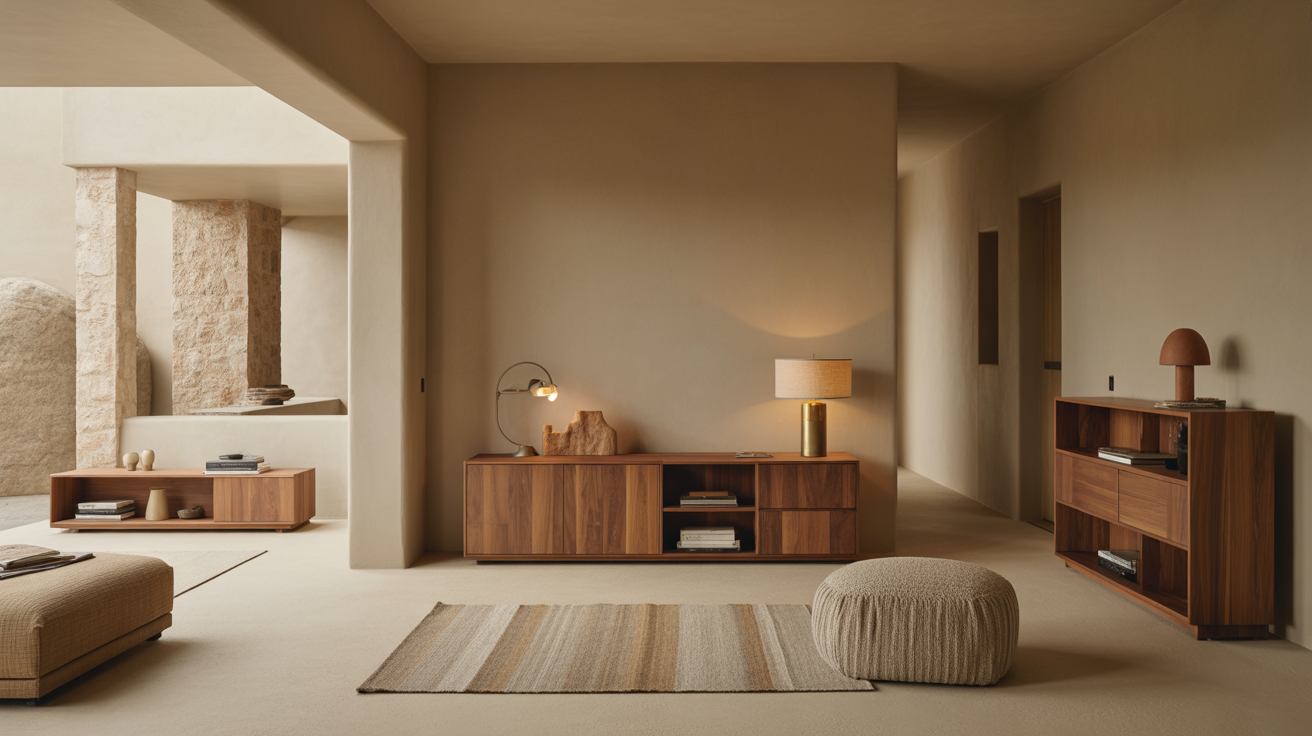
The best storage furniture for small apartments earns its footprint twice. Our design team explains what to look for, plus seven space-saving picks that hide clutter.
The best storage furniture for small apartments does two jobs at once: it gives you a place to sit, sleep, eat, or set something down, and it quietly swallows the clutter that makes a small room feel smaller. Below, our design team explains what separates genuinely useful storage pieces from the ones that just look clever in a catalog — then walks through seven profiles that consistently free up floor space in apartments, lofts, and studios.
What to look for in small-apartment storage
In a small home, every piece is asking for square footage it has to earn back. A bookshelf that only holds books is a fair deal. A bench that holds blankets, gives you a place to pull on shoes, and doubles as extra seating is a much better one. Here is what our team weighs first.
Double duty, not just storage
The pieces that pay off most are the ones already in your floor plan doing another job. A bed needs to exist anyway — so a bed with drawers underneath is free storage. A coffee table is going in the living room regardless — so one with a lift top or a lower shelf turns dead space into working space. Look for storage built into furniture you'd buy even if it held nothing.
Vertical thinking
Floor space is the scarce resource; wall height usually isn't. Tall, narrow pieces store the same volume as wide ones while leaving more open floor, which is what actually makes a room feel larger. A slim bookcase that climbs toward the ceiling beats a low credenza of equal capacity in almost any small room.
Closed versus open
Open shelving feels lighter and shows off the things you like. Closed storage — doors, drawers, lids — hides the things you don't. Small rooms read as calm when most of what's stored is out of sight, so favor closed storage for the messy categories (cables, cleaning supplies, paperwork) and save open shelving for the curated few.
Scale and visual weight
A storage piece can hold a lot and still feel light if it sits on raised legs, uses slim profiles, or wears a finish that recedes into the wall. Bulky, floor-hugging cabinets store efficiently but can crowd a small room visually. Match the volume you need against the weight you can spare.
The delivery path
Big storage pieces are exactly the ones that get stuck in stairwells. Measure doorways, hallway turns, and your tightest pinch point before ordering, and favor modular or knock-down construction for walk-ups. Note the return window too — LoftLoom offers 30-day returns, which takes some risk out of the measuring.
Our picks: seven storage pieces that earn their footprint
Each slot below describes the kind of piece our design team reaches for first when a client has more belongings than square footage.
The piece: A storage ottoman with a lift-off or hinged lid, upholstered in a durable mid-tone fabric, sized to work as a coffee table or extra seat.
Specs to look for: A lid that supports a tray, a deep interior cavity, and a structure rated to sit on. Performance fabric if it'll double as a footrest.
Why it works: This is the most flexible storage piece there is — footrest, seat, surface, and hidden bin in one footprint. It swallows blankets and remotes, then becomes guest seating when people arrive. If you're weighing shapes and sizes, our guide to choosing an ottoman breaks down the trade-offs.
The piece: A storage bed or platform bed with built-in drawers, in a queen or full size scaled for a small bedroom.
Specs to look for: Smooth-gliding drawers on the long side (so you don't need clearance at the foot), or a lift-up base if floor space is too tight for drawers to open.
Why it works: The bed already occupies the largest footprint in the room, so building storage into it is the highest-leverage move in a small bedroom. Off-season clothes, spare bedding, and shoes disappear into space that was previously just air.
The piece: A tall, narrow bookcase or shelving unit that draws the eye upward and stores volume vertically.
Specs to look for: A footprint under 30 inches wide, a stable base or wall-anchor option, and a mix of open and closed compartments if available.
Why it works: Going vertical is how small rooms gain capacity without losing floor. A slim, tall unit holds as much as a sprawling low one while keeping sightlines open. Anchor tall pieces to the wall, especially in homes with kids or pets.
The piece: A lift-top coffee table, or one with a lower shelf and concealed drawer.
Specs to look for: A top that rises to a comfortable working or eating height, plus a hidden compartment beneath. A lower shelf for baskets if there's no drawer.
Why it works: In a studio or open-plan apartment, the coffee table often moonlights as a desk and dinner table. A lift top makes those jobs comfortable, and the hidden compartment keeps the clutter of daily life off every surface.
The piece: A console table or slim sideboard with closed cabinets, shallow enough for an entryway or behind a sofa.
Specs to look for: A depth around 12 to 16 inches, doors or drawers rather than open cubbies, and a height that works as a drop zone or a buffet.
Why it works: A shallow console fits where nothing else does — a hallway, the back of a floating sofa, a blank stretch of wall — and turns that sliver into a landing zone for keys, mail, and the things that otherwise pile up by the door.
The piece: A storage bench for the entryway or the foot of the bed, with a lidded or basket-friendly interior.
Specs to look for: A seat height comfortable for putting on shoes, a sturdy lid or open base sized for woven bins, and a width that fits the wall you have.
Why it works: A bench gives you a place to sit at the threshold and a place to hide shoes, bags, and seasonal gear underneath. At the foot of a bed, it stores extra bedding and breaks up the room without crowding it.
The piece: A nightstand or side table with drawers and a shelf, scaled small but built to hold more than a lamp.
Specs to look for: At least one closed drawer, a compact footprint under 20 inches wide, and a lower shelf or second drawer for capacity.
Why it works: In a tight bedroom, the nightstand is the only personal storage within arm's reach of the bed. A drawer hides chargers, glasses, and the bedside clutter that would otherwise live on top, keeping the surface clear and the room calm.
Shop this guide
The short version
Small apartments don't need less storage — they need storage that hides inside the furniture you already own. Favor double-duty pieces (storage beds, ottomans, lift-top tables, benches), think vertically with tall and narrow units, lean on closed storage to keep surfaces calm, and measure your delivery path before you buy. The seven profiles above cover the rooms and clutter we see most.
Ready to reclaim some floor space? Shop by room to find storage-forward pieces for every part of your apartment — and if you'd like a hand planning the layout, our free design plan pairs you with a designer who works from your real dimensions.
Frequently asked questions
What's the most space-saving furniture for a small apartment?
The pieces that do two jobs at once: a storage bed, a lift-top or storage coffee table, a storage ottoman, and a storage bench. Each one occupies space you'd give up anyway and gives you concealed capacity for free.
Is open or closed storage better for small spaces?
Mostly closed. Doors, drawers, and lids hide the visual clutter that makes a small room feel chaotic. Reserve open shelving for a curated handful of objects you actually want on display, and put everything else behind a front.
How do I add storage to a studio without crowding it?
Build storage into the furniture you already need — bed, coffee table, console — and go vertical with one tall, narrow unit rather than several low ones. Closed storage keeps surfaces clear, which is what makes a studio read as calm. Our studio apartment furnishing guide covers zoning a single room.
Should I anchor tall storage furniture to the wall?
Yes, especially tall, narrow pieces and anything in a home with children or pets. Wall anchoring prevents tip-overs and is a quick, low-cost safety step that most tall furniture supports out of the box.
Will big storage furniture fit through my apartment door?
Measure your narrowest pinch point — door width, a hallway turn, a stairwell — and compare it to the piece's packaged dimensions before you order. Modular and knock-down designs almost always clear tight entries; large one-piece cabinets are where measurements get risky.