Comparisons
Down vs. Foam vs. Down-Alternative Sofa Cushions: Which to Choose
7 min read
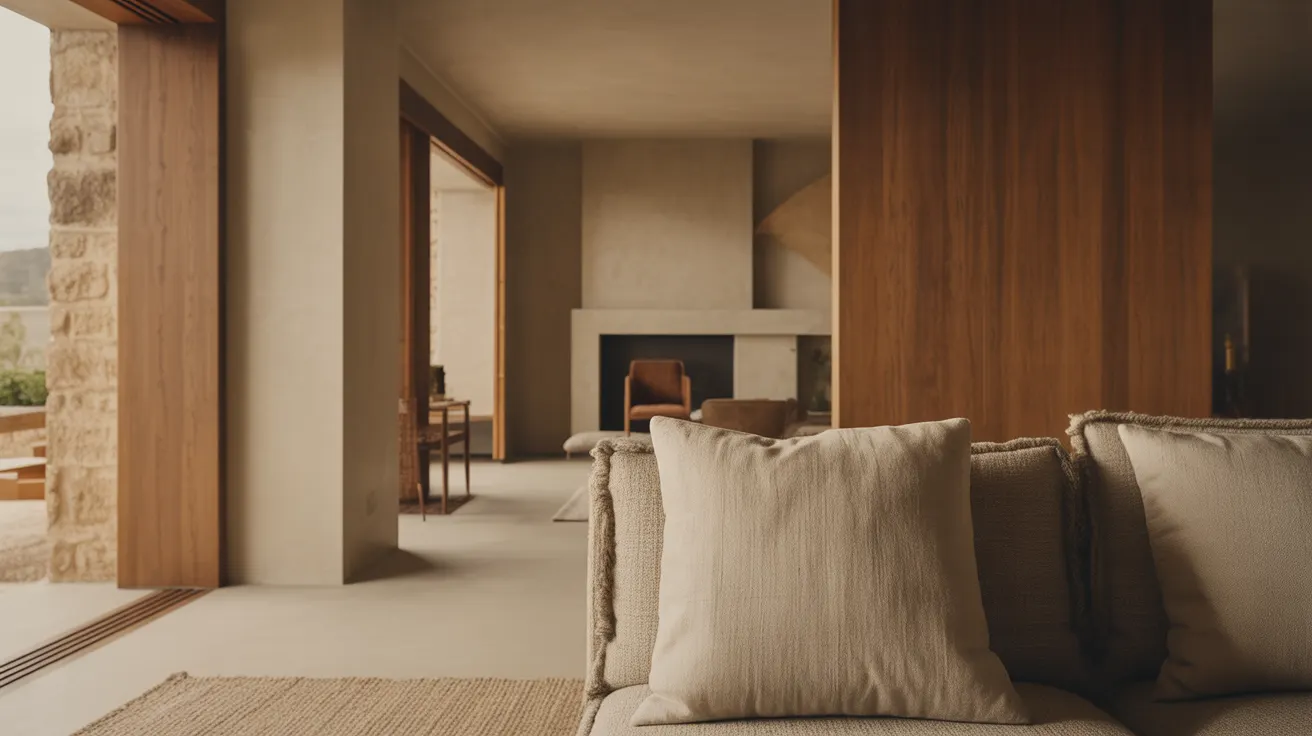
Down, foam, or down-alternative sofa cushions? Compare comfort, support, maintenance, and longevity so your sofa feels right on day one and in year five.
The honest short answer: choose high-resilience foam (often foam wrapped in a fiber or down layer) if you want lasting support with little upkeep, choose down or down blends if you love a soft, sink-in feel and don't mind fluffing, and choose down-alternative if you want most of that softness without the price or the feathers. The fabric gets all the attention online, but what's inside the cushion is what you sit on every single day.
Why Cushion Fill Decides How a Sofa Ages
Two sofas can wear the same beautiful fabric and feel like completely different pieces of furniture. One stays crisp and supportive for years; the other develops a permanent dent where everyone sits by month eight. The difference is almost always the fill — and unlike fabric, you usually can't tell from a photo or even a quick showroom sit.
There are really two questions buried in "which cushion fill is best." The first is feel: do you want firm support or a soft, enveloping sink? The second is maintenance: are you willing to fluff and rotate cushions, or do you want to forget they exist? Most regret comes from answering one question and ignoring the other. A common version of this — buying purely on softness — shows up often enough that we list it among the most frequent sofa-buying mistakes.
Side-by-Side Comparison
| Down / Down Blend | High-Resilience Foam | Down-Alternative (Poly Fiber) | |
|---|---|---|---|
| Feel | Soft, plush, sink-in | Firm to medium, supportive | Soft to medium, plush |
| Support | Lower; you sink, then settle | Highest; consistent hold | Moderate; softer than foam |
| Maintenance | High — fluff and rotate often | Low — occasional rotation | Medium — fluff to refresh loft |
| Holds shape | Compresses, needs daily plumping | Excellent; springs back | Good; slowly loses loft over years |
| Longevity | 5–10+ yrs (refillable) | 7–15 yrs (foam core dependent) | 3–7 yrs before noticeable flattening |
| Allergies | Can trigger feather/dust sensitivity | Hypoallergenic | Hypoallergenic |
| Warmth in summer | Warm, traps heat | Neutral | Slightly warm |
| Cost | Highest | Mid to high (quality varies widely) | Lowest |
| Best for | Plush-lovers who'll maintain it | Daily-use, low-effort households | Soft feel on a budget |
Down and Down Blends: The Plush Sink
A true down cushion — clusters of soft feather fiber, sometimes wrapped around a small foam core — gives you that hotel-sofa softness where you sit and the cushion hugs around you. Pure down is rare and expensive; most "down" sofas use a blend (feather and down over a foam core), which is the sweet spot: real plushness with a little built-in structure so the cushion doesn't collapse entirely.
Now the honesty. Down compresses every time you sit. To keep it looking full and even, you fluff and rotate the cushions regularly — daily plumping is realistic for a down sofa you care about. Skip it and the cushions look tired and lumpy fast. Down also traps heat (noticeable in summer), can rustle, and may bother anyone sensitive to feathers or the dust that collects in natural fill. The upside that balances all this: a down cushion is often refillable, so a sofa you love can be topped up rather than replaced.
Down suits people who genuinely love a soft, lived-in look, will commit to fluffing, and want a luxurious feel that can be renewed over time.
High-Resilience Foam: The Low-Maintenance Workhorse
This is the fill most people actually want once they understand the trade-offs. High-resilience (HR) foam — denser and springier than the cheap foam in disposable furniture — gives consistent support, holds its shape, and bounces back when you stand up. The best versions wrap a firm foam core in a thin layer of fiber or down so you get foam's structure with a softer top surface. You get the "no-fluffing" life without sitting on a board.
Quality varies enormously, and this is where the spec sheet matters. Two numbers tell most of the story: density (how much the foam weighs per cubic foot — higher density generally lasts longer; around 1.8 lb and up is a reasonable floor for a seat cushion) and firmness/ILD (how hard it feels). Cheap low-density foam is exactly what creates that permanent butt-print by year one. Good HR foam can hold up for a decade or more.
Foam suits everyday-use sofas, busy households, anyone who wants supportive seating, and people who'd rather not think about their cushions at all.
Down-Alternative: Soft Feel, Fewer Compromises
Down-alternative fill is polyester fiber (sometimes called poly-fil or "blown fiber") engineered to mimic down's softness. It gets you most of the plush, sink-in look — usually over a foam core for structure — without the feathers, the higher cost, or the allergy concerns. For a lot of shoppers, it's the practical middle path.
The catch is longevity. Polyester fiber slowly loses its loft as it compresses, and unlike down it doesn't bounce back as fully when fluffed. Expect a soft down-alternative cushion to flatten somewhat sooner than a quality foam core or a refillable down blend — you can refresh it by plumping, but eventually the fiber simply matts down. It's the right call when you want softness and value and accept that "soft" and "lasts longest" rarely come in the same cushion.
Down-alternative suits budget-conscious plush-seekers, allergy-sensitive households who still want a soft feel, and guest rooms or secondary sofas.
A Note on Back Cushions vs. Seat Cushions
Many of the best sofas mix fills by location: firmer foam in the seat for support, softer down or fiber in the backs for that lean-in coziness. This is a feature, not a compromise — it puts structure where your weight lands and softness where you rest. If a spec sheet lists different fills for seat and back, that's usually a sign of thoughtful construction.
Choose Down If / Choose Foam If / Choose Down-Alternative If
Choose down (or a down blend) if:
- You love a soft, plush, sink-in feel above all else.
- You'll actually fluff and rotate cushions regularly.
- You want a refillable cushion you can renew rather than replace.
- No one in the home is sensitive to feathers or dust.
Choose high-resilience foam if:
- This is the daily sofa and you want lasting support with minimal effort.
- You dislike fluffing and want cushions that hold their shape.
- You have kids or pets and need seating that recovers fast.
- You can check density (aim higher) rather than buying the cheapest foam.
Choose down-alternative if:
- You want a soft look without the price of down or the feathers.
- Allergies rule out natural fill.
- It's a secondary sofa, guest space, or a budget-first purchase.
- You accept that it'll flatten sooner than foam or refillable down.
The Short Version
Match the fill to how much effort you'll actually give it. If you want comfort you never have to think about, high-resilience foam — ideally with a soft topper — is the safe, durable default. If you love plush and will maintain it, down or a down blend rewards you with a softness foam can't quite match, and the option to refill it down the road. Down-alternative splits the difference for a softer feel at a lower price, as long as you're at peace with it flattening sooner. Whatever fill you choose, pair it with the right upholstery fabric and you've made the two decisions that matter most.
Ready to find the right feel? Shop Sofas and check the cushion construction on each piece — the fill is listed where it counts.
Frequently asked questions
Which sofa cushion fill lasts the longest?
A dense high-resilience foam core typically lasts longest with the least effort — often a decade or more. A quality down blend can match or exceed that if it's refillable and you maintain it. Down-alternative fiber usually flattens first.
Do down cushions really need that much fluffing?
Yes, if you want them to look full. Down compresses with every sit, so daily or near-daily plumping keeps a down sofa crisp. If that sounds tedious, a foam-and-down hybrid or foam core gives you most of the look with far less upkeep.
Is foam uncomfortable or too firm?
Not when it's done right. High-resilience foam wrapped in a soft fiber or down topper feels supportive and comfortable. The "hard, plasticky" reputation comes from cheap low-density foam, which is exactly what you want to avoid.
What's the most low-maintenance cushion fill?
High-resilience foam, easily. It holds its shape, springs back, and needs only occasional rotation. It's the default for households that want comfort without a fluffing routine.
Can I tell cushion fill quality before buying online?
Look for foam density figures, "high-resilience" or "HR" labels, and whether back and seat cushions use different fills (a good sign). Ordering swatches won't tell you about fill, but a free room plan can help you match feel to lifestyle before you commit.