Rooms & Occasions
How Much to Spend on a Dining Table: A Value Guide
6 min read
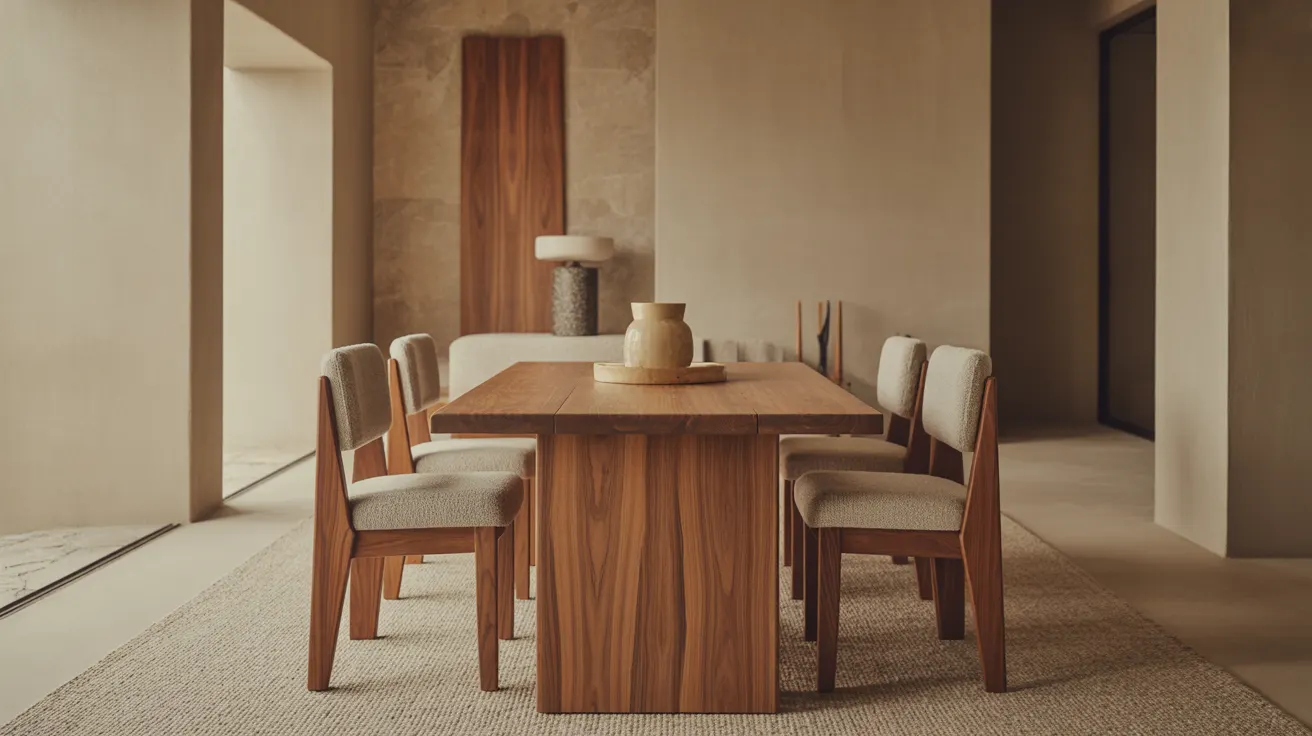
How much should you spend on a dining table? Here's what drives the price, what you get at each quality tier, and how to decide where your money is best placed.
Enough to get a table that's solidly built in a material that suits your life — and not so much that you're paying for a finish you'll resent the first time someone sets down a wet glass. A dining table sits at the center of the home for a long time, so it's worth getting right. But "getting it right" isn't the same as spending the most. This guide explains what drives a dining table's price, what you get at each quality tier, and how to decide where your money does the most good — all in relative terms, since real prices move with materials, size, and season.
What a dining table really has to do
A dining table earns its keep through years of dinners, homework, work-from-home days, and gatherings. That means two things matter above all: it has to be sturdy enough not to wobble or loosen over time, and its surface has to survive daily life — heat, moisture, scratches, and spills. Almost everything that drives the price comes back to those two jobs. Beauty matters too, but a gorgeous table that dents if you look at it or wobbles within a year isn't a good buy at any price.
What actually drives a dining table's price
The tabletop material
This is the single biggest cost driver and the biggest lifestyle decision. Solid hardwood, engineered wood with a veneer, stone like marble or quartz, and glass all carry very different costs and very different demands. Solid hardwood and natural stone sit higher; engineered tops and laminates sit lower. But more expensive isn't automatically better for you — marble stains and etches, glass shows every fingerprint, and the right choice depends on how forgiving your household needs the surface to be. Our guides to marble vs. quartz vs. wood tabletops and solid wood vs. veneer vs. engineered wood break down the trade-offs.
Solid wood versus veneer versus engineered
In wood tables specifically, construction drives both price and longevity. Solid hardwood can be sanded and refinished over decades and tolerates a lifetime of use; a quality veneer over an engineered core can look identical and cost less, but can't be refinished if the surface wears through; low-grade engineered tops with printed finishes sit at the bottom for both price and durability. The frame and legs follow the same logic.
Joinery and construction
How the table is held together decides whether it stays solid. Traditional joinery — mortise-and-tenon, dovetailed aprons, properly anchored legs — costs more in labor and lasts far longer than tables assembled with cam locks and dowels alone. This is invisible once the table is built, which is why it's a common place to cut cost quietly.
The finish
A durable, well-applied finish protects the surface from heat, moisture, and scratches. Better finishes cost more and are a meaningful part of why a table survives daily use. A beautiful raw or delicate finish may look stunning and demand constant care — a real trade-off, not just a feature.
What doesn't add value
As with any furniture, some of the price reflects brand, showroom overhead, ultra-trendy shapes, and traditional retail markup rather than how well the table is built. None of that makes the table sturdier or the surface tougher. Buying direct or online often trims that layer.
What you get at each quality tier
Think in tiers, not numbers. The same tier costs very different amounts by size, material, and sale timing.
| Tier | What you typically get | Best for |
|---|---|---|
| Entry | Engineered or laminate top, printed or thin veneer, basic joinery, simple finish | Short-term needs, rentals, low-use spaces, rooms you'll redo soon |
| Mid | Solid wood or quality veneer over a sound core, durable finish, proper joinery | Most households — the value sweet spot for a daily-use table |
| Investment | Solid hardwood or premium stone, traditional joinery, refinishable surface, refined finishing | A keeper for the next decade-plus, heavy-use homes, statement dining rooms |
The pattern most shoppers find: the jump from entry to mid buys a big increase in sturdiness and surface durability and is almost always worth it for a table you'll use daily. The jump from mid to investment buys premium materials, refinishable longevity, and presence — worth it for a long-term centerpiece, optional if your taste or space may change.
How to decide how much to spend
Match the material to your household, not your aspirations. A young family that eats every meal at the table needs a forgiving surface — solid wood with a durable finish or a tough engineered top — more than it needs marble it has to baby. Choose the material your real life can live with, then pick a tier within it.
Spend on the surface and the joinery. If you're going to spend up anywhere on a dining table, the tabletop material and the way it's joined are where the money buys the most years. A refinishable solid-wood top, in particular, can outlast several cheaper tables.
Consider how long you'll keep it. A dining table tends to stay through moves and redecorations longer than almost any other piece. If you want a table for the long haul, the mid-to-investment range earns it. If you're in a transitional space, a solid entry or mid table is the smarter, more flexible choice.
Think cost per year of use. A table used daily for many years spreads its cost thin. A sturdy table that lasts three times as long as a cheap one is often the cheaper table over its life — within reason, since past a point you're paying for brand and styling, not durability.
Don't forget the chairs and the room. A table is only half the dining setup; budget for seating too, and make sure the table size suits the room and the way you actually host. Overspending on the table and skimping on everything around it rarely produces the room you wanted.
Shop this guide
- 48" Natural Solid Wood Dining Table
- 47" Brown Solid Wood Pedestal Base Round Top Dining Table
- 48" Brown Round Solid Teak Wood Dining Table
The short version
- Spend enough to get a sturdy table with a durable, life-appropriate surface — the entry-to-mid jump reliably buys more years and less wobble.
- The tabletop material, the joinery, and the finish are where extra money does the most good; brand and trendy shapes are where it does the least.
- Match the material to how your household really eats, think in cost per year, and remember a table tends to outlast most of your other furniture.
- Budget for chairs and room fit too — the table is only half the setup.
Ready to find your centerpiece? Shop dining to compare materials, construction, and sizes — and put your money where it'll be felt every day.
Frequently asked questions
Is an expensive dining table worth it?
It can be, when the cost buys solid hardwood or quality stone, traditional joinery, and a durable finish — the things that keep a table sturdy and good-looking for years. It's not worth it when the price reflects brand, trendy styling, or showroom markup that the construction doesn't back up.
What makes a dining table expensive?
Mostly the tabletop material, whether the wood is solid or veneered, the joinery, and the finish — all of which drive sturdiness and surface durability. Some of the price, though, is brand, showroom overhead, and markup that don't make the table last longer.
How much should I spend on a dining table?
Aim for the mid tier for a table you'll use daily — solid wood or a quality veneer over a sound core, with proper joinery and a durable finish. Reserve the entry tier for short-term or low-use settings, and consider the investment tier for a long-term centerpiece.
Is solid wood worth the extra cost over veneer?
Often, for a long-term table. Solid hardwood can be refinished over decades and tolerates heavy use, while veneer can't be refinished once worn through. For a transitional space or a tighter budget, a quality veneer over a sound core is a sensible value choice.
Should I spend more on the table or the chairs?
Lead with the table, since it's the harder piece to replace and usually stays longest — but don't starve the chairs. Comfortable, sturdy seating shapes the experience of the table as much as the surface does, so budget for both rather than maxing out one.