Comparisons
Marble vs. Quartz vs. Wood Dining Tabletops: Which to Choose
7 min read
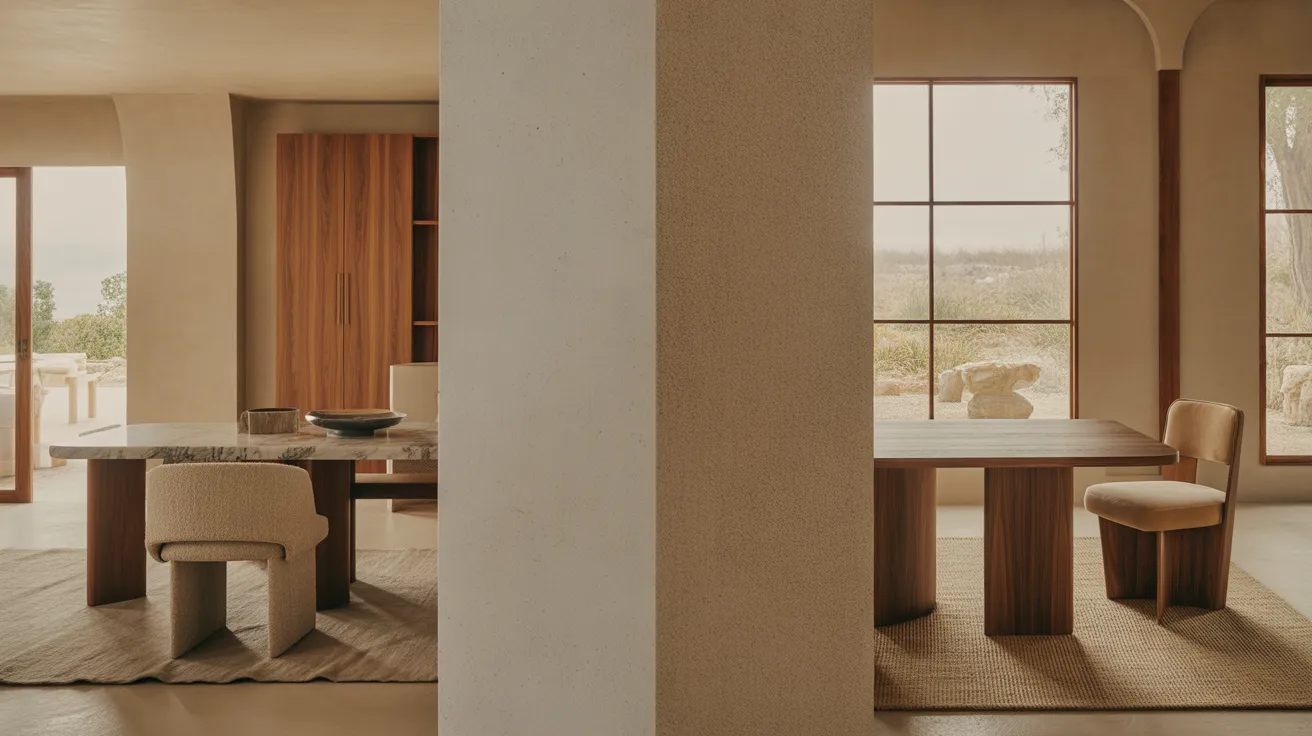
Marble, quartz, or wood dining tabletop? Compare durability, stain and scratch resistance, maintenance, and cost so you pick a surface that fits daily meals.
The honest short answer: choose quartz if you want a near-indestructible, low-maintenance surface that handles family life without flinching, choose wood for warmth and the ability to refinish away years of wear, and choose marble only if you genuinely love its look and accept that it will stain, etch, and patina no matter how careful you are. All three can be stunning. The difference shows up at the second spaghetti night.
Match the Surface to Your Table's Real Life
A dining table isn't a display piece — it's where wine spills, hot pans land, homework happens, and elbows rest every day. So the right tabletop isn't the most beautiful one in a photo; it's the one whose weaknesses you can live with. Each of these materials is gorgeous. Each one has a specific failure mode, and knowing it up front is the whole decision.
Before the surface, settle the size and shape — a tabletop you love is no good if it crowds the room. Our dining table size guide covers seating and clearance; this article assumes you know the footprint and are choosing what it's made of.
Side-by-Side Comparison
| Marble | Quartz (engineered stone) | Wood | |
|---|---|---|---|
| Look | Luxurious, veined, one-of-a-kind | Consistent, sleek; stone or solid colors | Warm, natural grain; ages with character |
| Durability | Soft stone; scratches and chips | Extremely hard and durable | Durable; dents and scratches with use |
| Stain resistance | Poor — porous, absorbs spills | Excellent — non-porous | Moderate; depends on finish |
| Etching (acids) | Yes — wine, citrus, vinegar etch it | No | No (finish can be damaged) |
| Heat tolerance | Good (still use trivets) | Moderate — can scorch; use trivets | Poor — heat marks and rings |
| Maintenance | High — seal regularly, wipe spills fast | Very low — wipe and go | Medium — clean, occasionally oil/refinish |
| Repairable | Difficult; etches are mostly permanent | Hard to repair if damaged | Yes — sand and refinish |
| Weight | Very heavy | Very heavy | Moderate to heavy |
| Feel | Cool, hard | Cool, hard | Warm, softer |
| Cost | High | Mid to high | Wide range (solid wood higher) |
| Best for | Look-first, low-spill, careful homes | Busy families, entertainers, low effort | Warmth-lovers who'll maintain or embrace patina |
Marble: Beautiful and Demanding
Nothing reads quite like marble. The veining is unique to each slab, the cool weight feels substantial, and it brings an instant sense of permanence and luxury to a room. If the look is what you're after, no engineered surface fully replicates it.
Now the part the showroom won't dwell on: marble is a soft, porous stone, and a dining table is close to a worst-case environment for it. It stains because it absorbs liquids — red wine, oil, coffee, beet juice all sink in fast unless wiped immediately. Worse, it etches: anything acidic (wine, citrus, vinegar, tomato sauce, even some cleaners) chemically reacts with the calcium in marble and leaves dull, slightly rough spots that sealing does not prevent. Sealing helps with staining; it does nothing for etching. Marble also scratches and chips at the edges more easily than you'd expect from stone.
You can own a marble dining table happily — but only if you reframe its wear as patina rather than damage, wipe spills instantly, reseal on schedule, and keep a relaxed attitude about the marks daily life will leave. Fight it and you'll be miserable; embrace it and an aged marble top has real soul.
Marble suits look-first buyers, low-spill or adults-only households, and people who find a lived-in, patina'd surface beautiful rather than ruined.
Quartz: The Low-Maintenance Powerhouse
Engineered quartz is crushed natural quartz bound with resin into a slab that is, for dining purposes, close to bulletproof. It's non-porous, so it doesn't stain and never needs sealing — wine, oil, and sauce wipe straight off. It's extremely hard and scratch-resistant, it resists etching from acids that destroy marble, and it comes in everything from convincing marble-look veining to clean solid colors. For a family table that needs to look good for years with almost no fuss, it's hard to beat.
The honest limits: quartz is not heatproof. The resin that binds it can scorch or discolor under a hot pan straight from the oven, so trivets are mandatory — this is its one real vulnerability. It's also very heavy (a serious factor for delivery and for the table base it needs), and if it ever does chip or crack, it's difficult to repair invisibly. Some people also find engineered stone reads a touch less "alive" than natural marble or wood up close, though good marble-look quartz is convincing.
Quartz suits busy families, frequent entertainers, anyone who wants the stone look without the upkeep, and people whose honest answer to "will you wipe spills immediately?" is "probably not."
Wood: Warmth You Can Renew
A wood tabletop brings warmth that hard stone can't — softer to the touch, visually inviting, and full of natural grain that makes a room feel grounded. Its quiet superpower is repairability: a solid-wood top can be sanded and refinished to erase years of scratches, water rings, and dents, which is why wood tables become heirlooms while damaged stone gets replaced.
The trade-offs depend heavily on the finish and the build. Wood is sensitive to heat and moisture — hot dishes leave marks, and standing water causes rings or, over time, swelling, so coasters and trivets matter. It dents and scratches more easily than stone, and the finish can wear in high-use spots. How a wood top is constructed also changes the equation: a solid-wood top can be refinished repeatedly, while a wood-veneer top looks similar but can only take light refinishing before you reach the core. That distinction is worth understanding before you buy — we break it down in our guide to solid wood vs. veneer vs. engineered wood.
Wood suits people who want warmth over a cool hard surface, who'll use coasters and trivets, and who like the idea of refinishing a table back to new rather than replacing it.
Choose Marble If / Choose Quartz If / Choose Wood If
Choose marble if:
- You love the look enough to accept stains, etching, and patina as part of it.
- Your household is low-spill or adults-only and you'll wipe spills instantly.
- You'll reseal on schedule and keep a relaxed attitude about marks.
- Authentic, one-of-a-kind veining matters more than worry-free upkeep.
Choose quartz if:
- You have kids, entertain often, or just want a table you don't have to baby.
- Low maintenance is non-negotiable — no sealing, no stain anxiety.
- You want a sleek stone look (including marble-look) that resists daily abuse.
- You'll commit to trivets, since heat is its one weakness.
Choose wood if:
- You want warmth and natural grain over a cool, hard surface.
- You like that scratches and rings can be sanded away over time.
- You'll use coasters and trivets and don't mind a little patina.
- You value a table that can be refinished into an heirloom (choose solid wood for full repairability).
Shop this guide
- Gray and Silver Marble Pedestal Base Round Top Dining Table
- 59" Brown Solid Wood Round Top Dining Table
The Short Version
Pick by how much upkeep you'll actually do and how you feel about wear. If you want a beautiful table you never have to think about, quartz wins for sheer resilience — just keep trivets handy. If you want warmth and the ability to refinish a table back to new, choose wood, ideally solid wood. Choose marble only if you love it specifically and can welcome the stains and etching as patina rather than damage — because they're coming regardless. Get the size and shape right first, then choose the surface you can live with for the next decade.
Ready to compare surfaces? Shop Dining and check the tabletop material on each table — marble, quartz, and wood options are listed where it counts.
Frequently asked questions
Does a marble dining table stain easily?
Yes. Marble is porous and absorbs spills quickly, and acidic foods like wine, citrus, and tomato sauce also etch dull spots that sealing can't prevent. Sealing reduces staining and wiping spills immediately helps, but a marble dining table will develop marks over time — the question is whether you find that patina charming.
Is quartz really maintenance-free?
Close to it for a dining table. It's non-porous, so it doesn't stain or need sealing, and it resists scratches and etching. The one rule is trivets — quartz isn't heatproof and a hot pan can scorch the resin. Otherwise, wipe and go.
Can you put hot dishes on these tabletops?
Always use trivets on all three. Wood marks and rings most easily, quartz can scorch despite feeling stone-cold, and even marble (which tolerates heat best) benefits from protection at the edges and seams. No dining tabletop is truly hot-pan-proof.
Which tabletop is best for a family with kids?
Quartz, for most families — it shrugs off spills, scratches, and acids with essentially no upkeep. A solid-wood top is a strong second choice because damage can be refinished away. Marble is the hardest to recommend for kids unless you genuinely embrace the marks.
Which lasts the longest?
All three can last decades. Quartz stays looking new with the least effort; solid wood lasts longest in the sense that it can be repeatedly restored; marble lasts physically but shows its age fastest. "Longest-lasting" depends on whether you mean stays-pristine (quartz) or can-be-renewed (wood).