Sizing Guides
Lampshade Size Guide: Measure, Fit & Style
4 min read
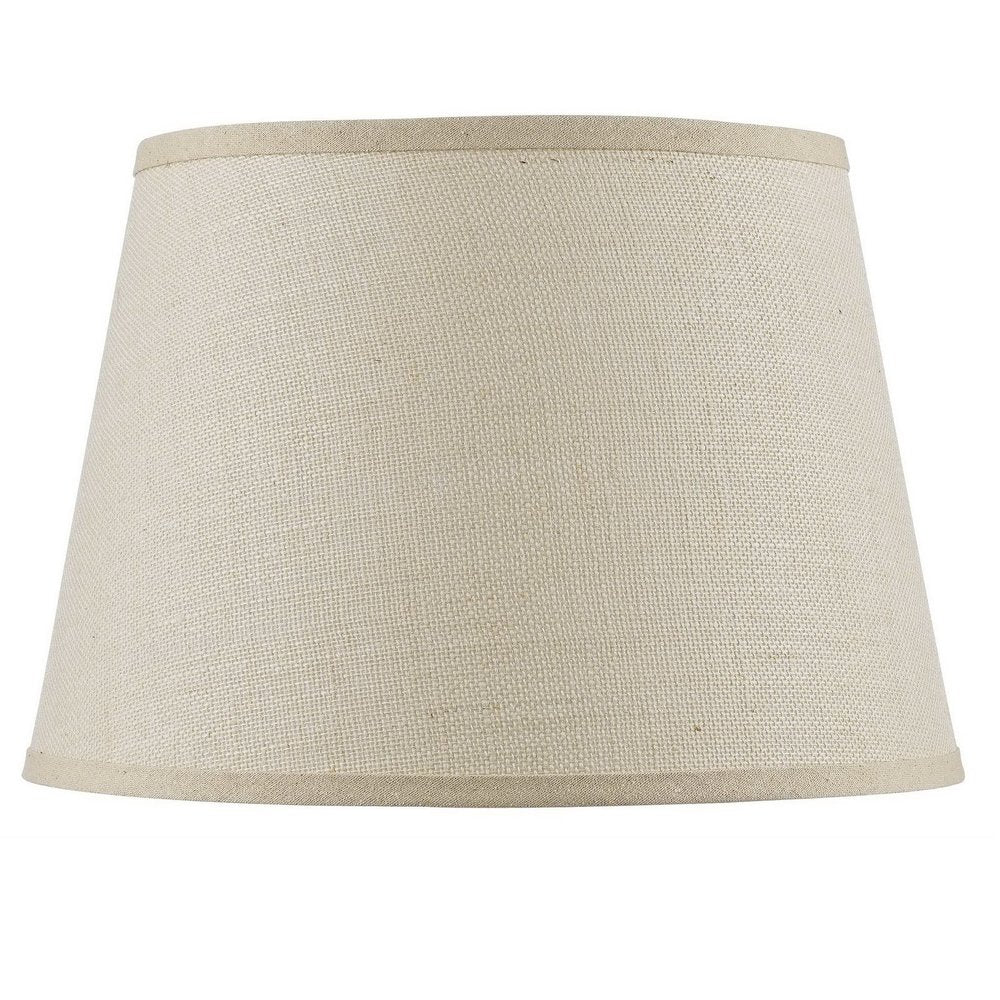
How to measure a lampshade, what size shade fits your lamp base, how fitters like spider, UNO, and clip-on work, and which shade shape to choose.
A well-sized lampshade is about twice as wide as the lamp's base and about two-thirds as tall as the base, measured from the bottom of the lamp to the socket. It should cover the socket and hardware when you look at it from a normal standing or sitting position. Those proportions, plus the right fitter, are all you need to replace a shade confidently.
Here's how to measure and choose.
How to measure a lampshade
Shades are sized by three measurements, usually listed in inches as top × bottom × height (or slant).
- Top diameter: measure straight across the top opening.
- Bottom diameter: measure straight across the bottom opening.
- Height: measure straight up the side from the bottom rim to the top rim. Some makers list the slant (along the angled side) instead — check which one a listing uses.
For square or rectangular shades, measure the width of each side at the top and bottom instead of a diameter.
Sizing the shade to the lamp
| Measurement | Rule of thumb |
|---|---|
| Shade bottom width | About 2× the widest part of the lamp base |
| Shade height | About 2/3 of the base height (bottom of lamp to socket) |
| Overall look | Shade should hide the socket and harp from normal viewing angles |
| On a table | Shade no wider than the table it sits on |
- Too small: the lamp looks top-light, and you see bare bulb and hardware.
- Too big: the shade overwhelms the base, blocks light, and can overhang a small table.
When the base is tall and slim, lean toward a slightly narrower shade; for a wide ceramic base, a wider shade balances it. Our table lamp size guide covers how tall the whole lamp should be for each surface.
Fitters: how the shade attaches
Before buying, check how your current shade connects — a shade with the wrong fitter won't sit on your lamp.
- Spider fitter: the most common on table and floor lamps. A metal ring with spokes sits on top of a harp (the metal loop around the bulb) and is held down by a small screw-on finial.
- UNO fitter: the shade's ring threads onto or sits over the socket itself. Common on smaller lamps, desk lamps, and some floor lamps.
- Clip-on fitter: wire clips grip the bulb directly. Typical on small candle-style and chandelier shades.
With a spider fitter, the harp height controls how high the shade sits. If a new shade hangs too low and shows the base neck, or too high and shows the socket, a taller or shorter harp fixes it — harps come in sizes, usually in 1-inch steps.
Choosing a shade shape
- Drum: straight sides, same width top and bottom. Modern and clean; spreads light evenly sideways.
- Empire: narrow top, wide bottom. Traditional; directs more light downward onto a tabletop or book.
- Bell: a curved, flared bottom. Decorative and classic, suited to ornate or turned bases.
- Square and rectangular: tailored shapes that pair well with square or angular bases.
As a general guide, a round base looks best with a round shade and an angular base with a square or rectangular one.
Material and light
- Linen and cotton give a soft, warm, diffused glow.
- Burlap and textured weaves filter more light and add rustic texture.
- Paper gives clean, bright, even light.
- Darker or lined shades push light up and down rather than out, which suits accent lighting more than reading.
If a room still feels dim or flat after a new shade, the issue may be the lighting plan rather than the lamp — see lighting mistakes and easy fixes. For floor lamps specifically, our floor lamp buying guide covers height and placement.
Shop this guide
- Light Brown Burlap Plain Drum Lamp Shade
- Light Brown Kraft Paper Plain Empire Lamp Shade
- White Linen Piped Bell Lamp Shade
The short version
Measure top, bottom, and height. Choose a shade about twice the width of the base and two-thirds of its height to the socket, check that the fitter matches your lamp (spider, UNO, or clip-on), and use the harp height to fine-tune where the shade sits. Pick drum shades for even light and modern looks, empire shades for reading, and linen or cotton for a soft glow.
Ready to refresh a lamp? Shop Lampshades and bring your measurements.
Frequently asked questions
How do I know what size lampshade I need?
A shade about twice as wide as the lamp base and about two-thirds as tall as the base (measured to the socket) usually looks right. It should hide the socket from normal viewing angles.
How do you measure a lampshade?
Measure the top diameter, bottom diameter, and height. Some listings use the slant — the length along the angled side — instead of straight height, so check which is listed.
What is a spider fitter?
The most common lampshade fitter: a ring with spokes that sits on a harp over the bulb and is secured with a finial on top.
What's the difference between UNO and spider fitters?
A spider fitter rests on a harp above the bulb; an UNO fitter attaches at the socket itself. They aren't interchangeable, so match the fitter to your lamp.
My new shade sits too low. How do I fix it?
If your lamp uses a harp, switch to a taller harp. Harps come in sizes, usually in 1-inch steps.
Which shade shape gives the most reading light?
An empire shade, because its wider bottom directs more light down onto the table or page.