Rooms & Occasions
Outdoor Dining Setup: Tables, Seating, and Shade That Work
7 min read
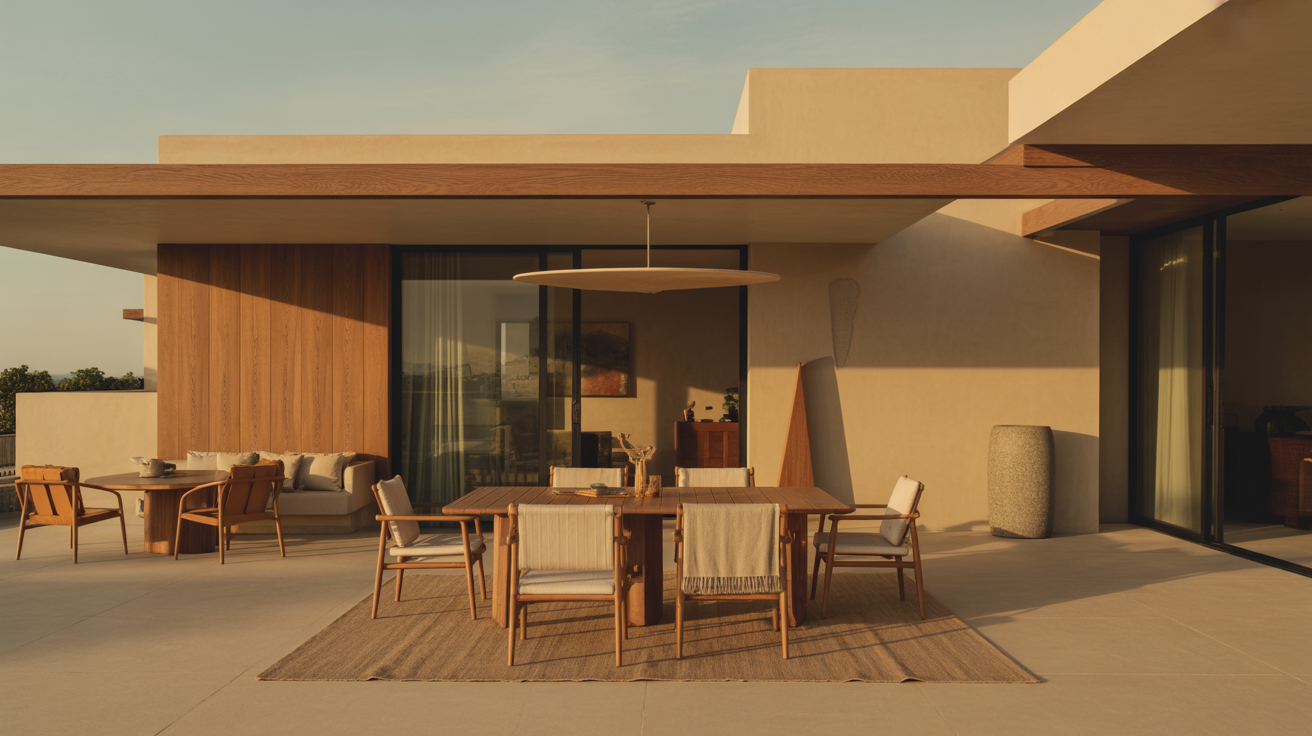
Outdoor dining ideas that actually work: table sizing and clearances, weatherproof seating, shade options compared, and a layout that survives real summers.
A good outdoor dining setup comes down to three decisions: a table sized to your space and your gatherings, seating built to live outside, and a shade plan so midday meals are actually pleasant. Get the clearances right and the materials weatherproof, and you'll have a spot that gets used all season instead of one that looks nice in photos and bakes empty by noon. Here's how to put it together.
Start with the space, then the table
The most common outdoor dining mistake is buying the table first and discovering it doesn't fit once chairs are pulled out. Measure the area, then work backward — the table is only part of the footprint.
The rule that prevents a cramped patio: leave at least 36 inches of clearance around the entire table so chairs can pull out and people can walk behind seated guests. On a deck or patio, that clearance is the difference between a setup that breathes and one where every meal involves shuffling.
| Table size | Seats | Minimum patio footprint (with clearance) |
|---|---|---|
| 36–40" round | 4 | ~9 x 9 ft |
| 48" round | 4–6 | ~10 x 10 ft |
| 60" round | 6–8 | ~11 x 11 ft |
| 60 x 36" rectangle | 6 | ~11 x 9 ft |
| 72 x 38" rectangle | 6–8 | ~12 x 9 ft |
| 84"+ rectangle | 8–10 | ~14 x 9 ft |
Shape matters outdoors too. Round tables suit square patios and make conversation easy for smaller groups; rectangular tables fit long decks and seat more along the sides. For a tight balcony or a corner, a small bistro table for two is often the right answer — our small balcony styling guide covers space-saving outdoor setups in detail.
Seating that survives being outside
Outdoor chairs take a beating — sun, rain, pollen, the occasional sprinkler. The material is what determines whether they last years or one summer. A quick comparison of the common options:
| Seating type | Pros | Watch for |
|---|---|---|
| Powder-coated aluminum | Rustproof, light, easy to move | Can get hot in direct sun |
| Teak / eucalyptus | Beautiful, naturally weather-tolerant | Heavier; weathers to gray without care |
| All-weather resin wicker | Comfortable, holds up well | Quality varies; buy a known frame |
| Steel (powder-coated) | Sturdy, substantial | Heavier; needs a good coating to resist rust |
| Plastic / molded resin | Inexpensive, stackable | Can fade and feel flimsy over time |
Whatever the frame, the cushions are non-negotiable: use performance or outdoor-rated fabric that's quick-drying, fade-resistant, and mildew-resistant. Indoor cushions left outside grow mildew and lose color in a single season. For the full breakdown of what lasts, see our guide to outdoor furniture materials.
Two practical seating moves:
- Mix a bench with chairs. A bench on one long side of a rectangular table seats more, tucks underneath, and reads relaxed. Chairs on the other side keep it comfortable.
- Keep a couple stackable extras in a deck box for when more people come. They store flat and appear when needed.
Shade: the make-or-break of an outdoor table
A beautiful outdoor dining set that sits in full afternoon sun simply won't get used at the hours you most want it. Shade is what turns a sunny spot into a usable room. The main options, compared:
| Shade option | Best for | Notes |
|---|---|---|
| Market umbrella (through-table) | Most dining tables | Choose a canopy wider than the table by 2 ft+ |
| Cantilever / offset umbrella | Keeping the area clear of a pole | More flexible; needs a heavy weighted base |
| Pergola | A permanent, designed look | Add a canopy or climbing plant for real shade |
| Shade sail | Modern, budget-friendly coverage | Needs solid anchor points |
| Natural shade (a tree, the house) | Free and lovely | Track how the shadow moves across the day |
The umbrella sizing rule: the canopy should extend at least a foot beyond the table edge on every side — so a 48-inch table wants a canopy of roughly 9 feet to shade the people, not just the plates. Undersized umbrellas are the most common shade mistake.
Whatever you choose, watch the sun for a day before committing. Shade that's perfect at noon can leave the table fully exposed by 5 p.m., which is exactly when people want to eat outside.
Layer in the comfort and the light
Furniture and shade make the area usable; a few layers make it somewhere you want to linger.
- An outdoor rug under the table defines the dining zone and warms a hard deck or patio. Choose a weather-rated rug sized so the chairs stay on it when pulled out — generally the table footprint plus about 24 inches on each side.
- Warm, soft lighting extends the evening. String lights overhead, a couple of lanterns, or solar path lights turn the table into a nighttime spot. Warm-toned light is what makes it feel like an outdoor room rather than a backyard.
- A nearby surface — a small console, a bar cart, or a side table — saves trips to the kitchen for serving dishes, drinks, and the things you forgot.
- A way to handle bugs. Citronella, a fan, or simply timing meals helps. It's the unglamorous detail that keeps people at the table.
Storage and the off-season
Outdoor dining stays beautiful only if it's easy to protect:
- Plan for cushion storage. A deck box or storage bench keeps cushions dry between uses — damp cushions are how mildew starts.
- Use furniture covers for pieces left out, or move lighter ones under cover during storms.
- Bring umbrellas down in wind. An open umbrella in a gust becomes a sail — close and secure it when you're not at the table.
- Match the material to your winters. Some materials overwinter outside; others should be stored. Buy for your actual climate.
Shop this guide
- 60" Natural Solid Wood Extendable Outdoor Dining Table
- Set of 6 White Metal Outdoor Folding Stacking Dining Chairs
- 36" White Rounded Aluminum Folding Outdoor Dining Table
The short version
- Size the table to your gatherings (24" per person) and leave 36" of clearance on all sides.
- Choose weatherproof seating — aluminum, teak, or quality resin wicker — with performance-fabric cushions.
- Plan shade with an umbrella sized a foot wider than the table, or a pergola, sail, or natural shade.
- Layer in a weather-rated rug, warm lighting, and a nearby serving surface to make it a real room.
- Store cushions dry, cover what stays out, and buy materials suited to your climate.
A dining area built to live outside lasts for seasons, not one summer. Shop outdoor — weather-ready tables, seating, and the pieces that make patio meals comfortable from noon to nightfall.
Frequently asked questions
What size outdoor dining table do I need?
Match it to your gatherings and your space, allowing 24 inches of table edge per person plus at least 36 inches of clearance around the whole table for chairs and walking. A 48-inch round seats four to six; a 72-inch rectangle seats six to eight. Always measure the patio with chairs pulled out.
How much clearance do I need around an outdoor dining table?
At least 36 inches on all sides so chairs can pull out and people can walk behind seated guests. Less than that and every meal involves shuffling. Measure the full footprint — table plus clearance — before buying.
What's the best material for outdoor dining furniture?
Powder-coated aluminum (rustproof and light), teak or eucalyptus (beautiful and weather-tolerant), and quality all-weather resin wicker all hold up well. Whatever the frame, pair it with performance or outdoor-rated fabric cushions that resist fading and mildew.
What size umbrella do I need for a patio table?
The canopy should extend at least a foot beyond the table edge on every side. A 48-inch table needs roughly a 9-foot umbrella; a 60-inch table closer to 10 feet. Sizing the canopy to shade the people, not just the table, is the most common thing to get wrong.
Can I put a rug under an outdoor dining table?
Yes — use a weather-rated outdoor rug sized so the chairs stay on it when pulled out, generally the table footprint plus about 24 inches per side. It defines the dining zone and warms a hard deck or patio. Lift it occasionally so the surface underneath can dry.