Comparisons
Small Balcony Styling: How to Make a Tiny Outdoor Room
6 min read
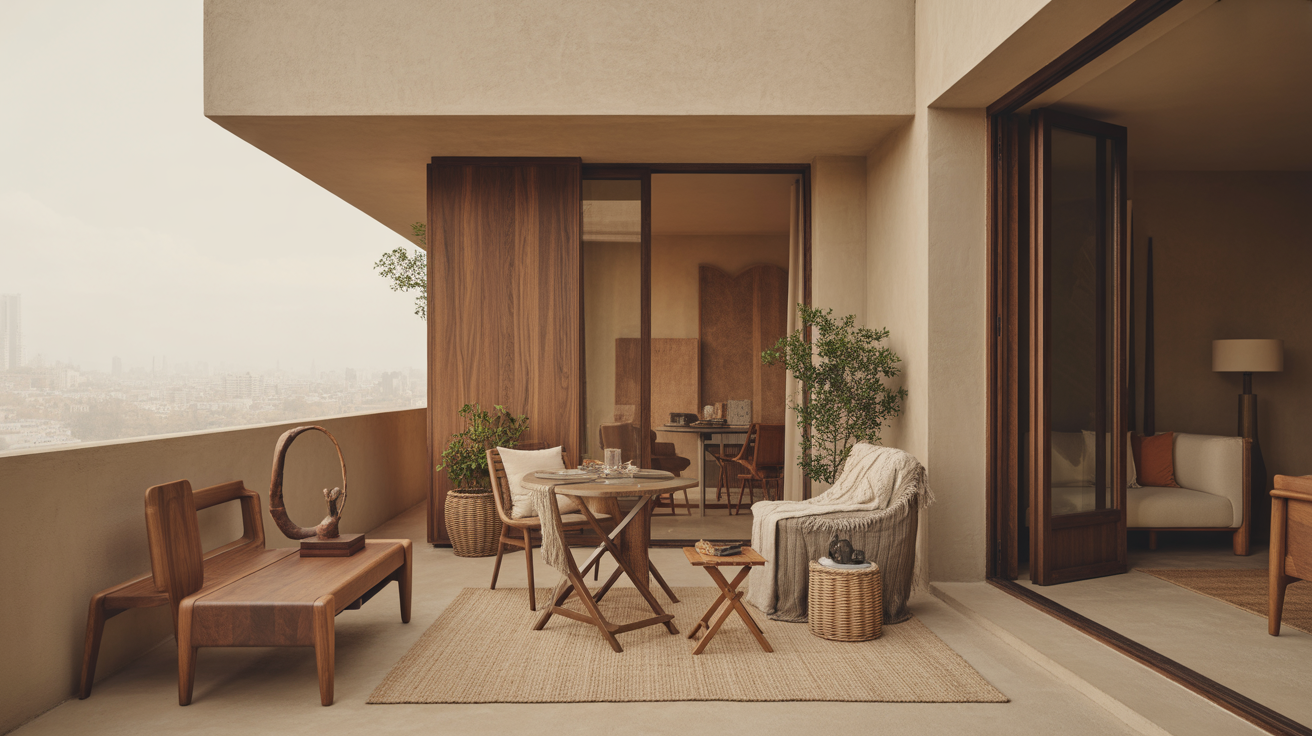
Small balcony ideas that turn a few square feet into a real outdoor room: space-saving furniture, clearance numbers, weatherproof materials, and a calm layout.
A small balcony isn't a leftover ledge — it's a tiny outdoor room, and it deserves to be treated like one. Decide on one job for it, choose furniture scaled to the actual footprint, pick materials that shrug off weather, and layer in softness so it feels like somewhere you'd linger. Even a 4-by-6-foot balcony can become the best seat in the apartment.
Here's how to style a small balcony so it's genuinely usable, not just decorated.
First, give the balcony one job
The biggest mistake on a small balcony is trying to make it do everything — dining, lounging, gardening, storage — and ending up with a space too crowded for any of it. Pick the primary use and let it lead:
- The coffee spot. One or two compact chairs and a small side table. The most space-efficient option, and the most-used in practice.
- The dining nook. A bistro table with two chairs. Best if the balcony is at least about 5 feet deep.
- The lounge. A single small loveseat or a bench with cushions, angled toward the view. Cozy and low-effort.
- The green retreat. Plants as the main event, with a single chair tucked in. Lovely if the light is good.
Choose one, commit, and the layout solves itself. A balcony that does one thing well beats one that does four things badly.
Scale the furniture to the footprint
Small-balcony furniture lives or dies on dimensions. Measure the usable floor — the area clear of the door swing and any railing obstructions — and shop to those numbers, not to what looks small in a showroom.
| Element | Target on a small balcony |
|---|---|
| Clear walkway / standing space | At least 24–30" |
| Bistro table | 18–24" diameter |
| Bistro chair footprint | ~16–18" wide |
| Loveseat/bench length | 42–52" |
| Side table | 12–16" wide |
| Door swing clearance | Full arc kept clear |
The numbers that matter most: keep a 24–30" path so you can actually step out and move, and confirm the door swings clear of everything before you place a single piece. A chair the door bangs into every time is a chair you'll resent.
Space-saving furniture types earn their keep here:
- Folding or stackable chairs disappear when you want the floor back.
- A railing-mounted drop-leaf table folds flat against the rail and opens for coffee or a laptop — the single best small-balcony trick.
- Nesting side tables give you two surfaces that store as one.
- A storage bench doubles as seating and a place for cushions and a watering can.
Look for outdoor furniture specifically scaled for apartments and balconies rather than full patio sets — the difference in footprint is dramatic.
Choose materials that survive being outside
On a balcony, everything is exposed to sun, rain, and temperature swings, often with nowhere to retreat to. Material choice is what keeps your small investment from warping, rusting, or fading in a season. The short version:
- Powder-coated aluminum — lightweight (good for upper floors and easy rearranging), rustproof, and durable. A top choice for small balconies.
- All-weather wicker (resin) over a metal frame — comfortable, holds up well, lighter than it looks.
- Teak or eucalyptus — beautiful and weather-tolerant, though heavier and needing occasional care.
- Performance/outdoor fabric cushions — quick-drying, fade- and mildew-resistant. Non-negotiable for anything upholstered outdoors.
Skip untreated softwoods, regular indoor cushions, and anything that traps water. For the full breakdown of what lasts, see our guide to outdoor furniture materials, and once it's out there, our outdoor furniture care guide covers keeping it looking new.
Weight is a special balcony concern: lighter pieces are easier to move and safer in wind, but anything light enough to blow over needs to come in or be secured during storms.
Layer in the softness that makes it a room
Furniture makes a balcony usable; layering makes it somewhere you want to be. Three quiet additions do most of the work:
- An outdoor rug. A weather-rated rug instantly defines the floor and turns a concrete or composite ledge into a "room." Even a 4x6 changes everything. It's the single highest-impact balcony upgrade.
- Greenery, vertical where possible. Floor plants eat precious floor space; railing planters, wall-mounted pots, and a single tall plant in the corner give you green without sacrificing the footprint.
- Soft, warm light. Solar string lights along the railing, a couple of lanterns, or a rechargeable table lamp turn the balcony into an evening space. Warm-toned light is what makes it feel like an extension of the home rather than a utility ledge.
A few cushions and one throw in outdoor-rated fabric finish it — the same warm-neutral, texture-forward approach that works indoors works outside. Keep the palette quiet and let the view be the color.
Keep it practical
A small balcony only stays lovely if it's easy to live with:
- Plan for storage. A bench or small deck box holds cushions out of the rain so you're not hauling them in and out.
- Mind the privacy and the sun. A railing screen, a tall plant, or a small clamp-on shade can make a fully exposed balcony actually usable in the afternoon.
- Don't overload the railing. Check weight limits before mounting planters or tables, and never overload an outer rail.
- Edit, then edit again. On a small balcony, one beautiful chair beats two cramped ones. Empty floor is part of the design.
Shop this guide
- 30" White Aluminum Round Folding Outdoor Bistro Table
- Set of Two Black Aluminum Outdoor Folding Dining Chairs
- 24" White Aluminum Slat Rounded Outdoor Bar Table
The short version
- Give the balcony one clear job — coffee spot, dining nook, lounge, or green retreat — and let it lead the layout.
- Measure the usable floor (minus the door swing) and scale furniture to it; keep a 24–30" clear path.
- Lean on space-savers: folding chairs, a railing drop-leaf table, nesting tables, a storage bench.
- Choose weatherproof materials — powder-coated aluminum, resin wicker, teak — with performance-fabric cushions.
- Layer in an outdoor rug, vertical greenery, and warm light to turn the ledge into a real outdoor room.
A small balcony deserves furniture made to fit it and to last outside. Shop outdoor — compact, weather-ready pieces scaled for balconies and apartment patios.
Frequently asked questions
What furniture works best on a small balcony?
Compact, space-saving pieces: folding or stackable chairs, a railing-mounted drop-leaf table, nesting side tables, or a single small loveseat or bench. Scale to the usable floor after subtracting the door swing, and keep a 24–30" clear path.
How do you make a small balcony feel like a room?
Add a weather-rated outdoor rug to define the floor, layer in greenery (vertical, on the railing, to save floor space), and add warm soft lighting like solar string lights or a lantern. Those three layers turn a bare ledge into an outdoor room.
What's the best material for small balcony furniture?
Powder-coated aluminum is a top pick — rustproof, durable, and light enough to move and safe on upper floors. All-weather resin wicker and teak also hold up well. Pair any of them with quick-drying performance-fabric cushions.
How do I fit a table and chairs on a tiny balcony?
Use a railing-mounted drop-leaf table that folds flat when not in use, paired with folding or stackable chairs. A 18–24" bistro table with two slim chairs fits balconies as small as about 5 feet deep while leaving a walkway.
Can you put a rug on a balcony?
Yes — use an outdoor-rated rug made for moisture and UV. It's one of the highest-impact upgrades for a small balcony, instantly defining the floor and making the space feel like a finished room. Lift it occasionally to let the floor underneath dry.