Rooms & Occasions
The Best Bookcases for Small Spaces (2026 Buyer's Guide)
6 min read
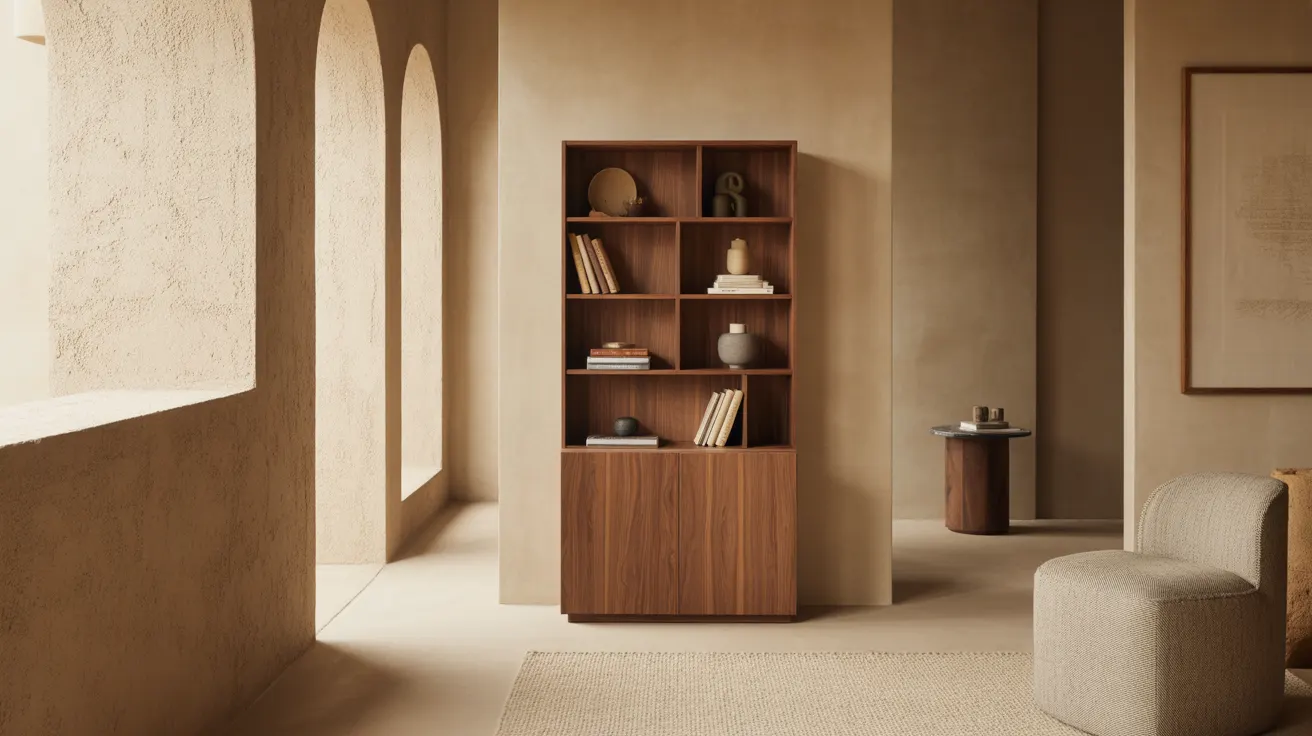
The best bookcases for small spaces go vertical and earn their footprint. Here's what to look for, plus the shelf types that fit apartments and tight corners.
The best bookcase for a small space goes up rather than out: a tall, narrow footprint gives you real storage while claiming very little floor. The smartest small-space shelving also does more than hold books, mixing open display with a little closed storage to hide the clutter you don't want on show. Below we cover what to look for, then the kinds of bookcases worth considering for apartments, tight corners, and rooms that have to multitask.
What to look for in a small-space bookcase
A bookcase in a small home has to store, display, and disappear into the room, all without tipping over. A few details make the difference.
Vertical over horizontal. When floor space is scarce, height is your friend. A tall, narrow bookcase, say 12 to 16 inches deep and as tall as your ceiling allows, holds as much as a wide one while taking up a fraction of the floor. Drawing the eye upward also makes a room feel taller.
Footprint and depth. Standard bookcases run about 11 to 12 inches deep, which fits most books and leaves a little room for objects. Shallower shelves around 8 to 10 inches keep walkways clear in tight spots but limit what fits. Measure your wall and your walkway before you fall for a piece.
Open versus closed storage. Open shelves feel airy and show off your books and objects; closed cabinets or a few drawers hide the things you'd rather not display. In a small space, a mix is often ideal: open up top for display, closed at the bottom for the clutter. All-open shelving can make a small room feel busy if you don't curate it.
Stability and safety. Tall, narrow furniture must be anchored to the wall to prevent tipping, which matters everywhere and especially in homes with kids or pets. Look for an included anti-tip kit or wall strap, and check that shelves are rated to hold the weight of a full row of books, which is heavier than people expect.
Adjustable and modular. Adjustable shelves let you fit tall art books and short paperbacks alike, getting more out of a small footprint. Modular or stackable units let you start small and add on, or reconfigure when you move, which suits renters especially.
If you want help with what actually goes on the shelves, our guide to styling a bookshelf covers arranging books and objects, and small-space storage ideas looks at the bigger picture of fitting more into less.
Our picks for small spaces
Each pick below describes the kind of bookcase that fills the slot. In-stock examples are linked where the catalogue has a genuine match.
Best tall, narrow bookcase for maximum storage. Look for a tower-style bookcase around 12 to 16 inches wide and 12 inches deep, standing as tall as the room comfortably allows. The slim footprint slides into spots a standard bookcase can't, while the height gives you four, five, or six shelves of storage. Adjustable shelves help you fit everything from paperbacks to oversized volumes. Anchor it to the wall, and it becomes the workhorse of a small home.
Best bookcase with closed storage. Look for a unit that pairs open upper shelves with closed cabinet doors or drawers below. The open shelves display your favorite books and objects, while the closed base hides games, cords, paperwork, and the visual noise that makes small rooms feel cluttered. This open-top, closed-bottom format is one of the most practical layouts for a small living room or home office.
Our pick: 71" White Wood Three Tier Bookcase with Two Doors
Best ladder bookcase for a light footprint. Look for a leaning ladder-style bookshelf with shelves that step back as they rise. The angled profile and open back make it feel airy and take visual weight off a small wall, and the smaller upper shelves suit lighter objects while the deeper lower ones hold books. It's a relaxed, display-forward piece for a room where you want storage that doesn't feel heavy. Secure it to the wall, as leaning units can shift.
Our pick: White And Silver Metal and Glass Five Tier Ladder Bookcase
Best corner bookcase for awkward spaces. Look for a corner or angled unit designed to fill the dead space where two walls meet. Corners are often wasted in small rooms, and a corner bookcase turns that gap into useful storage without intruding into the main floor area. Choose one with enough shelf depth for books and a stable base, and you've reclaimed space you didn't know you had.
Our pick: 60" Taupe Wood Four Tier Corner Bookcase
Best low bookcase that doubles as a surface. Look for a low, long bookcase or cube unit that fits under a window or behind a sofa and gives you a usable top surface. It stores books and baskets below while doubling as a console for a lamp, plants, or a few framed pictures. In a small room where you can't go tall, going low and multi-purpose makes the same footprint work twice as hard.
Our pick: 30" White Wood Two Shelf Bookcase
Best modular shelving for renters. Look for a stackable or modular cube system you can configure to fit your space and reconfigure when you move. Start with a small footprint and add units as your collection grows, or rearrange the layout for a new room. The flexibility suits renters and anyone whose space and needs change, and many modular systems mix open cubes with insert drawers or doors for hidden storage.
Shop this guide
The short version
In a small space, the best bookcase goes up, not out: a tall, narrow footprint stores plenty while sparing the floor. Mix open shelves for display with a little closed storage to hide clutter, choose adjustable shelves to fit any book, and always anchor tall units to the wall. Whether you want a slim tower, a corner unit reclaiming dead space, a low console-style shelf, or a modular system that moves with you, the picks above point you to the right type for your room.
Ready to find the right fit? Shop Bookcases to compare small-space shelving in one place.
Frequently asked questions
What kind of bookcase is best for a small space?
A tall, narrow one. Going vertical lets you store as much as a wide bookcase while taking up far less floor, and drawing the eye upward makes the room feel taller. Look for a slim depth, adjustable shelves, and ideally a mix of open and closed storage so you can hide some clutter.
How deep should a bookcase be?
Standard bookcases are about 11 to 12 inches deep, which fits most books with a little room for objects. In tight spots you can go shallower, around 8 to 10 inches, to keep walkways clear, but that limits what fits. Measure both your wall space and your walkway clearance before choosing.
Do bookcases need to be anchored to the wall?
Yes, especially tall, narrow ones. Loaded with books, a bookcase becomes top-heavy and can tip, which is a real safety risk in homes with children or pets. Use the included anti-tip strap or kit, or a basic wall-anchor kit, to secure it to a stud. This is non-negotiable for tall units.
Open shelves or closed storage for a small room?
A mix is usually best. Open shelves keep the room feeling airy and let you display books and objects; closed cabinets or drawers hide the clutter that makes small spaces feel chaotic. A common, practical layout is open shelves on top for display and closed storage at the bottom for everything else.
How do I store a lot of books in a small apartment?
Go vertical with a tall, narrow bookcase, use a corner unit to claim wasted space, and consider a low bookcase that doubles as a console behind a sofa or under a window. Adjustable shelves help you fit more by matching shelf heights to your books. Keep some shelves closed so the overall effect stays calm.
Are ladder bookcases sturdy enough for books?
They can be, but they hold less than a full enclosed bookcase and the upper shelves are smaller, so they're best for a curated mix of books and lighter objects rather than a heavy collection. Because they lean, they should always be anchored to the wall to keep them from shifting or tipping.