Frequently Asked
How to Choose a Bookcase or Open Shelving: Depth, Height, and Type
7 min read
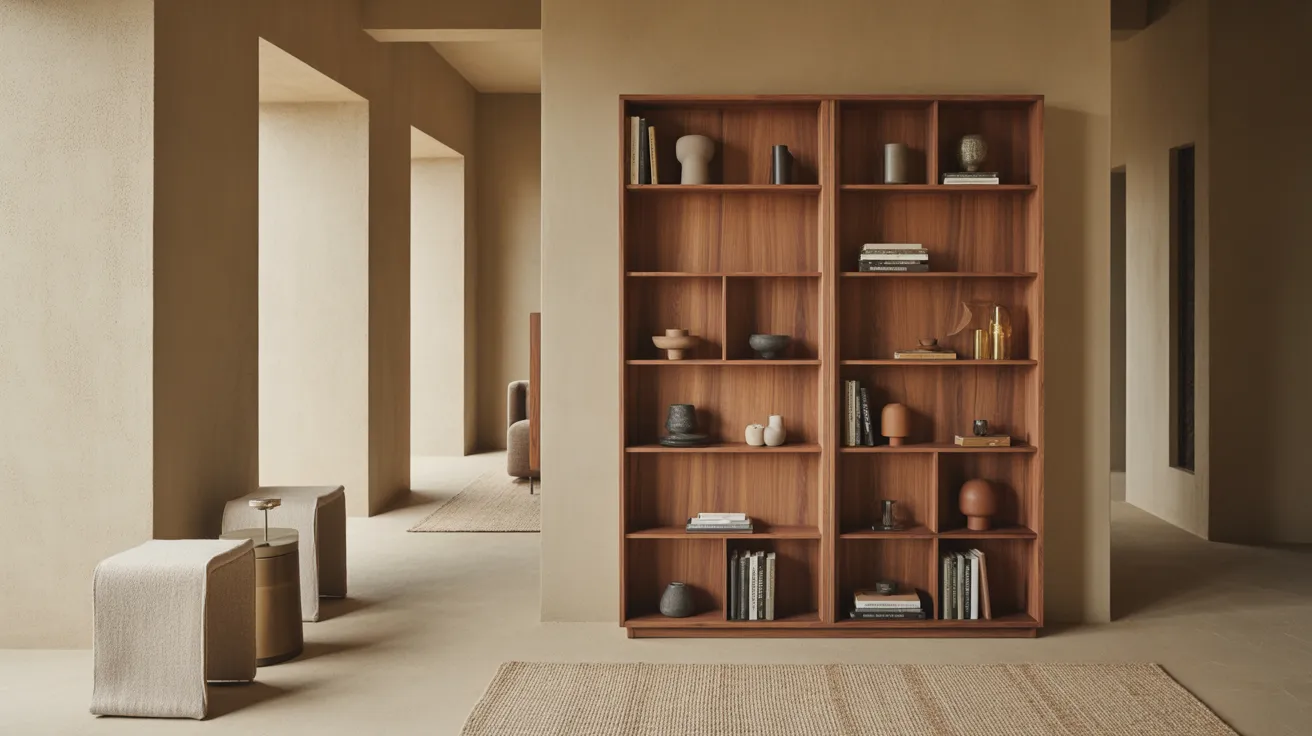
Open or closed shelving? The shelf depths, heights, and weight ratings that matter, plus how to size a bookcase to your room and what to display.
Pick a bookcase by what it holds and how the room reads. For books alone, a 10-to-12-inch shelf depth is plenty; for a mix of books, baskets, and objects, go 12 to 16 inches. Open shelving keeps a room feeling light and is ideal for display; closed or part-closed units hide clutter and suit working storage. Then size the unit so it leaves breathing room at the ceiling and fits the wall without fighting it.
A bookcase is part storage, part display, and part architecture — it changes how a wall feels. Get the depth, height, and openness right and it earns its footprint. Here's how to choose.
Open vs. closed: the first decision
- Open shelving is airy and display-forward. It shows off books, ceramics, and objects, keeps a room feeling spacious, and is the easiest to style. The catch: everything is visible, so it rewards editing and asks for occasional dusting.
- Closed shelving (cabinet doors at the base or throughout) hides the things you'd rather not see — paperwork, cables, kid clutter, mismatched binders. It reads tidier by default but heavier visually.
- Combination units — open shelves above, closed cabinets below — are the most practical for most homes. Display what you love up top, hide the working stuff down low. This is the safe default for a living room or study.
Choose open if the contents are display-worthy and you'll keep them edited; choose closed or combination if the shelf is doing real storage work.
Shelf depth: match it to what goes on it
Depth is the spec that decides whether your things fit and how far the unit projects into the room.
| What you're storing | Ideal shelf depth |
|---|---|
| Paperbacks and standard books | 8–10 in. |
| Hardcovers and mixed books | 10–12 in. |
| Books plus baskets and decor | 12–16 in. |
| Records / vinyl | 13–14 in. |
| Binders and office storage | 12–14 in. |
| Display objects only | 6–10 in. |
A deeper shelf isn't automatically better. Past 16 inches, books get lost at the back, the unit eats floor space, and a freestanding piece can feel bulky. In tight rooms, a shallow 8-to-10-inch bookcase holds a real library while barely projecting from the wall.
Height and shelf spacing
- Standard tall bookcases run 72 to 84 inches — enough for a serious collection without a ladder. Leave a few inches of clear space above the top shelf so the unit doesn't crowd the ceiling.
- Low bookcases (30 to 48 inches) double as a surface for a lamp or art and keep sightlines open in a small room. Run a pair under a window or flank a doorway.
- Adjustable shelves are worth seeking out. Books, records, and tall decor have different heights, and fixed shelves force you to store things sideways. Aim for shelf openings of at least 12 inches for standard books and 13 to 15 inches for oversized art books or records.
A quick spacing rule: most readable books are under 12 inches tall, so 12-to-13-inch shelf openings cover the majority, with one taller opening for the outliers.
Size the bookcase to the room
A bookcase wants to relate to its wall, not max it out.
- Leave a margin at the ceiling. A 96-inch wall reads better with an 84-inch bookcase and a foot of breathing room than with a unit jammed to the crown.
- Pairs and symmetry. Two matching bookcases flanking a window, a sofa, or a fireplace anchor a wall beautifully and read more intentional than one off-center unit.
- Built-in look without the build. Lining up several units of the same height across a wall mimics joinery for far less. Keep tops level and spacing even.
- Anti-tip safety. Any tall bookcase — and any shelving in a home with children — should be anchored to the wall with the included or aftermarket bracket. This is non-negotiable for tall, loaded units.
For a home study, a bookcase often shares a wall with the desk; coordinating their lines and finishes is part of making the room work, which we cover in our home office setup guide.
Weight and construction: shelves that don't sag
Books are dense, and a loaded shelf carries real weight. The difference between a bookcase that holds its line and one that bows in a year is in the build.
- Shelf span and thickness. Long, thin shelves sag under books. Either keep unsupported spans under about 30 to 36 inches or look for thicker shelves and a center support. A back panel adds rigidity too.
- Shelf material. Solid wood and quality plywood resist sagging far better than thin particleboard with a laminate skin. If it's engineered, thicker is the tell.
- Stated weight rating. A good bookcase lists a per-shelf capacity. Treat silence on this spec as a warning, especially for a unit you intend to fill with hardcovers.
- A real back panel. A solid or paneled back keeps the case square so shelves stay level and the unit doesn't rack over time.
Match the build to the load. Display shelving for a few ceramics can be light; a wall meant to hold a hundred hardcovers needs the structure to match.
Where bookcases work, room by room
- Living room: a combination unit or a pair of open bookcases flanking a sofa or media wall — display-forward, with a closed base for clutter.
- Study or office: taller, deeper units for binders and reference books, ideally near the desk.
- Bedroom: a low bookcase doubles as a nightstand-height surface or a window bench-line; keep it calm and lightly filled.
- Hallway: a shallow 8-to-10-inch bookcase turns dead corridor wall into a library without narrowing the path.
Styling so it doesn't look cluttered
A bookcase lives or dies on how it's filled. The short version: mix horizontal and vertical book stacks, leave deliberate negative space, group objects in odd numbers, and let a few shelves breathe rather than packing every inch. Our full method — keeping a styled shelf from tipping into chaos — is in how to style a bookshelf. The single biggest move is restraint: a shelf with room to breathe always reads more expensive than a stuffed one.
Shop this guide
- Black And Silver Metal and Wood Three Tier Etagere Bookcase
- Set of Three White Wood Eleven Tier Modular Bookcase
- Set of Three White Wood Five Tier Modular Bookcase
The short version
Decide open (light, display-forward, needs editing), closed (hides clutter), or combination (the practical default) first. Match shelf depth to contents — 10 to 12 inches for books, 12 to 16 for books plus decor — and don't go deeper than you need. Leave breathing room at the ceiling, favor adjustable shelves with 12-to-13-inch openings, and check the per-shelf weight rating so loaded shelves don't sag. Anchor any tall unit to the wall, and style it with restraint so it reads calm rather than crammed.
When you know your depth and height, Shop Bookcases for open, closed, and combination units sized to your wall.
Frequently asked questions
How deep should a bookcase be?
For books alone, 10 to 12 inches handles hardcovers and paperbacks. For a mix of books, baskets, and decor, go 12 to 16 inches. Records need about 13 to 14 inches. Avoid going past 16 inches unless the room is large — deeper shelves swallow books and project too far.
Is open or closed shelving better?
Open shelving keeps a room light and is best for display, but everything shows, so it needs editing and dusting. Closed shelving hides clutter and reads tidier. A combination — open above, closed cabinets below — is the most practical choice for most living rooms and studies.
How tall should a bookcase be?
Tall units run 72 to 84 inches; leave a few inches of clear space above the top shelf so the piece doesn't crowd the ceiling. Low bookcases (30 to 48 inches) keep sightlines open and double as a surface in small rooms.
How do I keep bookcase shelves from sagging?
Keep unsupported shelf spans under about 30 to 36 inches, or choose thicker shelves with a center support. Solid wood and quality plywood resist sagging far better than thin particleboard. Check the listed per-shelf weight rating before loading it with hardcovers.
What shelf spacing do I need for books?
Most books are under 12 inches tall, so 12-to-13-inch shelf openings cover the majority. Keep one or two taller openings (13 to 15 inches) for oversized art books, records, or tall decor. Adjustable shelves make this easy.
Do I need to anchor a bookcase to the wall?
Yes for any tall unit, and always in a home with children. Loaded bookcases are top-heavy and can tip. Use the included anti-tip bracket or an aftermarket strap — it's a safety item, not an optional upgrade.