Rooms & Occasions
The Best Lighting for a Living Room: Our Design Team's Picks
6 min read
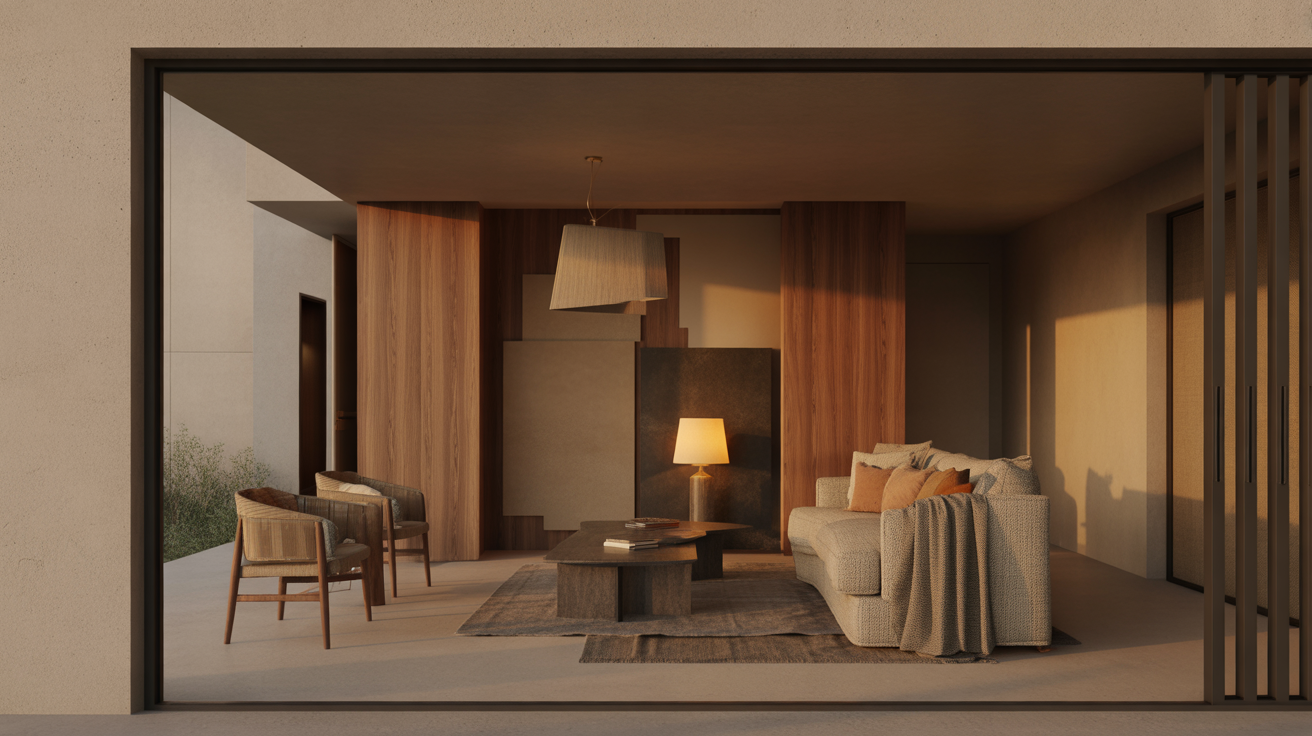
The best living room lighting layers three kinds of light. Our design team explains what to look for, plus seven fixture picks that make a room feel warm and finished.
The best living room lighting isn't one perfect fixture — it's three kinds of light working together: ambient light to fill the room, task light for reading and activities, and accent light to add warmth and depth. Get the layers right and even a plain room feels finished; get them wrong and a beautifully furnished room feels flat or harsh. Below, our design team explains what to look for, then walks through seven fixture profiles that consistently make a living room feel warm, dimensional, and intentional.
What to look for in living room lighting
Most living rooms are lit by a single overhead fixture, which is exactly why most living rooms feel a little off in the evening. One light source casts one flat layer of brightness and a lot of shadow. The fix is layering. Here's what our team weighs.
Layer in threes
A well-lit living room combines ambient, task, and accent lighting. Ambient is your overall fill (a ceiling fixture, or several lamps doing the job together). Task is focused light where you read or work (a floor lamp by the chair, a table lamp by the sofa). Accent is the low, warm glow that adds mood (a small lamp on a shelf, a sconce, light grazing a wall). You want all three. Our layered lighting guide goes deeper on the recipe.
Warm color temperature
For a living room, warmer light reads as cozy and inviting; cooler light reads as clinical. Look for bulbs in the warm-white range, and keep the temperature consistent across fixtures so the room feels harmonious rather than patchwork.
Dimmability
The single biggest upgrade to a living room's mood is the ability to dim. Bright for cleaning and games, low for movies and evenings — one room, many moods. Favor dimmable fixtures and bulbs, and consider dimmer switches for hardwired lights.
Scale and placement
A fixture that's too small disappears; too large overwhelms. Match the scale of ceiling fixtures to the room, hang pendants at the right height for the space, and place lamps so light lands where people actually sit. If you're unsure which ceiling fixture type suits your room, our guide to pendant vs. flush mount vs. recessed lights helps you choose.
Bulb count, not just fixture count
Designers often aim for several distinct light sources in a living room rather than one or two. More sources at lower brightness, spread around the room, beats a single bright fixture overhead — it fills shadows and makes the space feel larger and softer.
Our picks: seven fixtures that light a living room well
Each slot below describes the kind of fixture our design team reaches for to build a complete, layered scheme.
The fixture: An arc or tall floor lamp that reaches over the sofa or a seating area.
Specs to look for: A reach long enough to clear the sofa front, a weighted base, and a dimmable warm bulb.
Why it works: This is the workhorse of living room task lighting — it puts a pool of light right where people sit without needing a side table. The arc reads as sculptural by day and as a reading light by night, doing two jobs in one footprint.
The fixture: A pair of table lamps for either end of the sofa or flanking a console.
Specs to look for: Matching scale, a shade that diffuses softly, and a comfortable height for seated eye level.
Why it works: A symmetrical pair instantly makes a room feel composed and finished. At seated height they cast warm, flattering light across the seating area — ideal accent-and-task glow that an overhead fixture can't replicate.
The fixture: A statement ceiling fixture — pendant, chandelier, or large flush mount — sized to the room.
Specs to look for: A diameter proportioned to the room, a warm and dimmable source, and a style that sets the room's tone.
Why it works: The ceiling fixture is the room's ambient backbone and often its design anchor. Done at the right scale and kept on a dimmer, it fills the space evenly and gives the eye a focal point — just don't rely on it alone.
The fixture: A slim reading floor lamp for an accent chair or reading nook.
Specs to look for: A directional or adjustable head, a small footprint, and a bright-enough warm bulb for sustained reading.
Why it works: Reading needs focused, directional light that an ambient fixture can't supply. A dedicated reading lamp makes a corner genuinely usable and adds a vertical layer of light that lifts the whole room.
The fixture: A small accent or shelf lamp for a bookcase, sideboard, or side table.
Specs to look for: A compact form, a soft low-output warm bulb, and a finish that complements the room's metals and woods.
Why it works: This is the mood layer — the low, warm glow at the edges of the room that makes evenings feel calm. A small lamp on a shelf adds depth and dimension that ceiling light flattens out, and it's often the cheapest way to make a room feel expensive.
The fixture: Wall sconces flanking a sofa, fireplace, or artwork.
Specs to look for: A height around eye level when standing, a warm dimmable source, and either hardwired or plug-in mounting to suit your wall.
Why it works: Sconces add light at a mid-height that lamps and ceiling fixtures miss, framing a focal wall and freeing up surface space. They're the move that makes a room look professionally lit rather than improvised.
The fixture: A tripod or sculptural floor lamp that doubles as a design object.
Specs to look for: A form that holds its own as decor, a stable base, and a warm dimmable bulb.
Why it works: In a corner that needs both light and presence, a sculptural floor lamp earns its footprint twice. It fills a dark corner, adds a vertical line to the room, and reads as an intentional design choice rather than just a utility.
Shop this guide
- 60" Bronze Four Light Traditional Shaped Floor Lamp
- 32" Silver Table Lamp With Drum Shade
- Bronze Four Light Metal Dimmable Chandelier With Shades
The short version
Great living room lighting is layered, not singular. Combine ambient, task, and accent light; keep the color temperature warm and consistent; make as much of it dimmable as you can; and aim for several modest sources rather than one bright overhead. The seven fixture types above — floor lamps, paired table lamps, a statement ceiling fixture, a reading lamp, accent lamps, sconces, and a sculptural floor lamp — combine into a room that feels warm and finished at any hour.
Ready to build your layers? Shop lighting to find the fixtures for each layer — and if you'd like help planning the scheme, our free design plan pairs you with a designer who lights from your real floor plan.
Frequently asked questions
What is the best lighting for a living room?
Layered lighting — a combination of ambient (overall fill), task (reading and activity light), and accent (low, warm mood light). Several warm, dimmable sources spread around the room beat a single overhead fixture every time.
How many light sources should a living room have?
Aim for several distinct sources rather than one or two. A typical well-lit living room might combine a ceiling fixture, a couple of lamps, and an accent light or sconce — enough to fill shadows and let you adjust the mood.
Why does my living room lighting feel harsh or flat?
Almost always because it relies on a single overhead light. One source casts flat brightness and hard shadows. Add lamps at seated height, an accent light or two, and dimmers, and the room gains warmth and depth immediately.
What color temperature is best for a living room?
A warm-white range reads as cozy and inviting, which suits a living room far better than cooler, bluer light. Keep the temperature consistent across all your fixtures so the room feels harmonious.
Should living room lights be dimmable?
Yes — dimmability is the single biggest upgrade to a living room's mood. It lets one room shift from bright and functional to low and relaxed, which is exactly the flexibility a living space needs across a day.