Style & Authority
Layered Lighting 101: Ambient, Task, and Accent — Explained Simply
7 min read
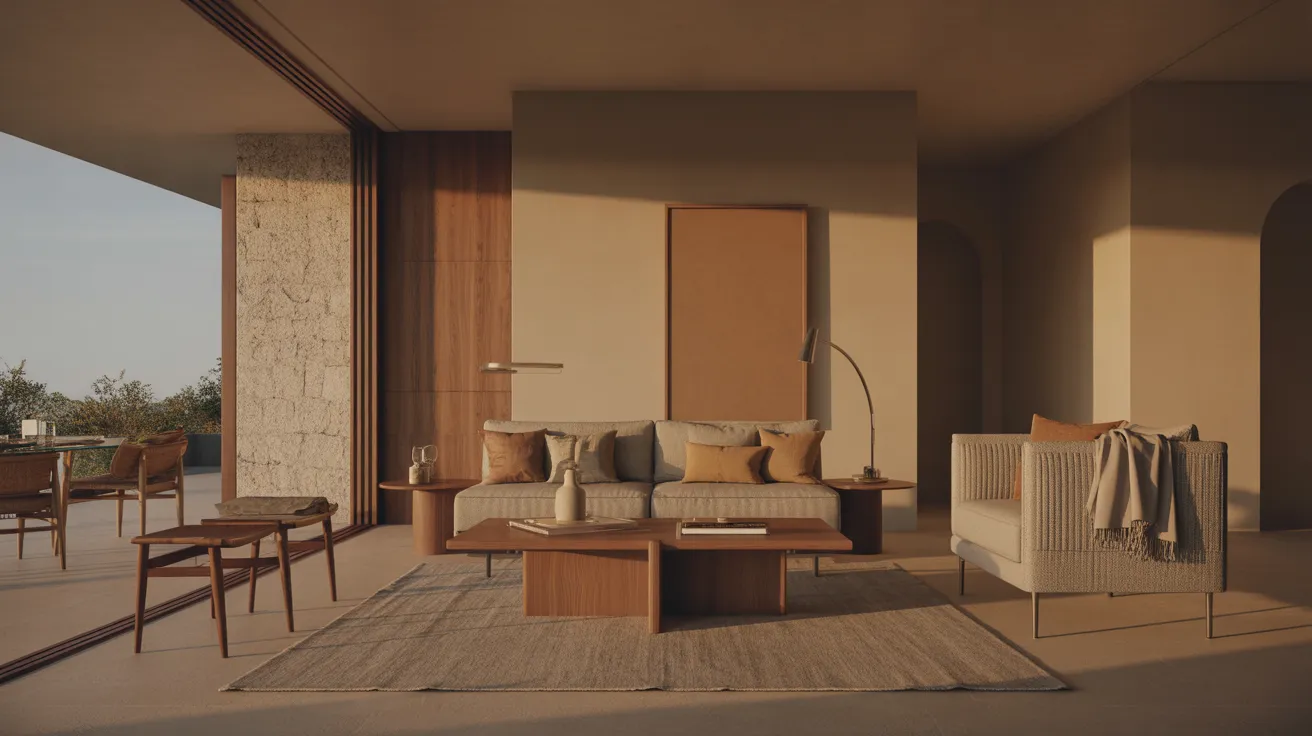
Layered lighting, made simple: how ambient, task, and accent light work together, how many sources each room needs, and which bulbs keep it warm.
Layered lighting means lighting a room with three types of light instead of one: ambient light for general brightness, task light for specific activities, and accent light for atmosphere and depth. A room lit by a single overhead fixture looks flat and feels harsh; the same room with three or four sources at different heights feels dimensional and calm. The good news: most of the fix is plug-in, and none of it requires an electrician.
Why One Overhead Light Ruins Good Rooms
Here is the quiet tragedy of most living rooms: thousands spent on furniture, then the whole scene lit like a stairwell. A single ceiling fixture throws light straight down, which flattens texture, casts unflattering shadows, and leaves the room's edges dark — so the space reads smaller and colder than it is. Your eye judges a room largely by how light moves across its surfaces. Give it one source and one direction, and even beautiful materials go dull.
Layering fixes this by putting light at three heights — ceiling, eye level, and low — so surfaces catch light from multiple angles. It's the difference between a photograph taken with a flash and one taken in window light.
The Three Layers, Explained
| Layer | What it does | Typical fixtures | Bulb guidance |
|---|---|---|---|
| Ambient | General, even brightness so you can move and see | Ceiling fixtures, pendants, large floor lamps that bounce light up | 2700K, dimmable, the room's brightest layer |
| Task | Focused light for a specific activity | Reading lamps, desk lamps, bedside lamps, kitchen counter lights | 2700–3000K, bright enough for the task, positioned to avoid glare |
| Accent | Mood, depth, and shadows in the right places | Small table lamps, picture lights, candles, shelf lighting | 2700K or warmer, dim — these are glow, not illumination |
Ambient: the base coat
Ambient light is the room's general wash. The overhead fixture can do this job — it just shouldn't do it alone, and it should be on a dimmer. In rooms without good ceiling fixtures, a tall floor lamp that bounces light off the ceiling produces softer ambient light than most overheads. If you're choosing one, our floor lamp buying guide covers height and shade types.
Task: light where the work happens
Task light serves an activity: reading in the armchair, chopping at the counter, working at the desk. The fixture sits close to the task — a reading lamp's shade bottom roughly at eye level when you're seated (40 to 42 inches from the floor), a desk lamp positioned opposite your writing hand. If you regularly squint, the problem is a missing task light, not a dim overhead.
Accent: the layer people forget
Accent light is the smallest and most transformative layer. A little lamp on a bookshelf. A picture light over art. The glow that makes a room look inhabited from the street. Accent fixtures are dim on purpose — 15 to 40 watts equivalent — and they create the pools of light and shadow that give a room depth after dark.
How Many Light Sources Does Each Room Need?
The working rule: at least three sources in any room you sit in, and the overhead never works alone.
| Room | Sources | A workable combination |
|---|---|---|
| Living room | 4–5 | Dimmable overhead + floor lamp by seating + table lamp + one accent (shelf lamp or picture light) |
| Bedroom | 3–4 | Two bedside lamps + dresser or accent lamp; overhead optional and rarely used |
| Dining room | 2–3 | Pendant or chandelier over the table (on a dimmer) + sideboard lamp or wall accent |
| Home office | 3 | Ambient overhead or floor lamp + desk task lamp + one soft accent behind the screen |
| Entry/hallway | 1–2 | Overhead or table lamp on a console; warm and modest is fine here |
For the dining pendant, size and hanging height matter as much as the bulb — roughly 30 to 36 inches above the tabletop, with the fixture scaled to the table. Our chandelier and ceiling light size guide has the numbers.
Bulbs: The Five-Minute Cheat Sheet
Most "bad lighting" is actually bad bulbs. Four specs matter:
- Color temperature: 2700K. This is the warm end of standard household bulbs and the single most important number in this article. 2700K reads as evening-lamp warmth; 4000K+ reads as office. Keep every bulb in a living space between 2700K and 3000K, and keep them consistent — mixed temperatures in one room look accidental.
- Brightness: think lumens, not watts. Roughly 400–800 lumens for table and floor lamps, 800–1,100 for the main ambient source. When in doubt, go brighter and add a dimmer.
- Dimmers on everything you can. A dimmer turns one fixture into five moods. Plug-in dimmer cords and smart bulbs get renters there with zero wiring.
- CRI 90 or above. Color rendering index determines whether your oatmeal sofa looks like oatmeal or like hospital beige. It's printed on the box; 90+ is worth it.
Layered Lighting, Room by Room
Living room
Map your seats, then light beside them, not above them. A floor lamp at the sofa's end, a table lamp on a side table, the overhead dimmed to background duty, and one accent glowing on a shelf. At night, try the overhead fully off — most well-layered living rooms don't miss it. The floor lamp selection is the natural starting point, since one good floor lamp often contributes both ambient and task light.
Bedroom
Bedside lamps beat the overhead for every task that happens in a bedroom. Two lamps, one per side, with shades that put the bulb just below seated eye level. Warmer and dimmer is better here — the bedroom is the one room where 2700K is a maximum, not a target.
Dining room
One pendant on a dimmer does the ceremony; a small lamp on the sideboard does the warmth. Dim the pendant to about half for dinner — full brightness is for cleaning, not eating.
Kitchen
The exception room: task light goes brighter and slightly cooler (3000K) where knives are involved. If you have under-cabinet lighting, use it as the evening setting and skip the big overheads after dinner.
How to Layer Light Without Rewiring Anything
- Swap every bulb to 2700K first. Cost of a coffee run, changes everything.
- Add one floor lamp to the darkest seating corner. Plug-in, no installation.
- Add one small accent lamp on a shelf or console — the under-40-watt glow that makes the room look finished.
- Put your most-used fixture on a plug-in dimmer or smart bulb.
- Stop at four or five sources per room. Layering is about positions and heights, not quantity. A room with lamps in every corner is just bright.
Shop this guide
- Gold Sputnik Eleven Light Frosted Metal Dimmable Chandelier
- 22" Black Metal Swing Arm LED Desk Lamp
- Basetti 1-Light Gold Sconce
The Short Version
- Layered lighting = ambient + task + accent, at three heights: ceiling, eye level, low.
- Minimum three sources per room; four to five in a living room. The overhead never works alone.
- 2700K bulbs everywhere in living spaces, dimmers wherever possible, CRI 90+.
- Light beside the seats, not just above them; let accent lamps create pools of glow at night.
- Almost all of it is plug-in. No electrician, no drama.
When you're ready to add a layer, shop lighting — start with the lamp for your darkest corner and work from there.
Frequently asked questions
What are the three layers of lighting?
Ambient (general brightness from overhead fixtures or large lamps), task (focused light for reading, working, or cooking), and accent (small, dim sources that add depth and mood). A well-lit room uses all three at different heights.
How many light sources should a living room have?
Four to five: a dimmable ambient source, a floor lamp near seating, a table lamp, and at least one accent light. The overhead should never be the only light on.
What color temperature is best for living spaces?
2700K — warm white — for living rooms and bedrooms, up to 3000K for task areas, and 3000K in kitchens where detail work happens. Keep temperatures consistent within a room.
Do I still need overhead lighting at all?
It's useful, not essential. Overheads are good for cleaning and finding lost keys; lamps are good for living. If you keep the overhead, put it on a dimmer and treat it as the background layer.
What's the difference between lumens and watts?
Watts measure energy used; lumens measure light produced. With LEDs, shop by lumens: 400–800 for lamps, 800–1,100 for a room's main source. The watt figure on modern bulbs mostly matters for your electric bill.
Is layered lighting expensive?
No. New bulbs plus one floor lamp plus one small accent lamp will layer most rooms. The most expensive lighting mistake is the one most people already made: relying on the builder-grade overhead alone.