Frequently Asked
Headboard Guide: Styles, Heights, and Sizing by Bed Size
7 min read
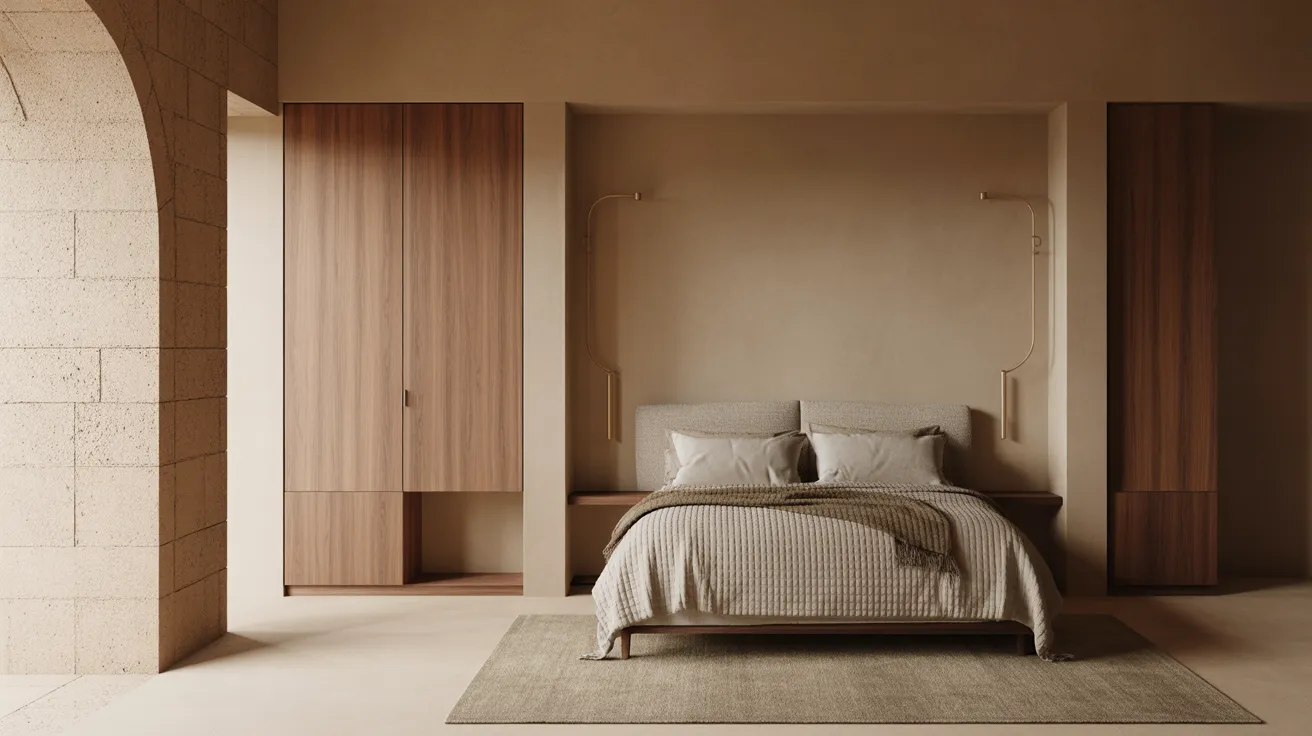
How wide and tall should a headboard be? A headboard guide covering width by bed size, height ranges, styles, and how it mounts to your frame.
A headboard should be at least as wide as your mattress, and most look best a few inches wider — a queen mattress is 60 inches, so a 62-to-65-inch headboard frames it cleanly. Height is more flexible: 14 inches above the mattress reads low and modern, around 24 inches is the comfortable standard, and 30-plus inches makes a statement and supports sitting up to read. Decide width by your bed size, then pick a height for how you'll use it.
A headboard is the bedroom's focal point and, for many people, a nightly backrest. Choosing one well means matching its width to the bed, its height to the wall and your habits, and its mount to your frame. Here's the full picture.
Headboard width by bed size
This is the question that trips people up. A headboard should never be narrower than the mattress. Matching the mattress width is the minimum; going a few inches wider frames the bed and looks intentional.
| Bed size | Mattress width | Minimum headboard | Looks best (with frame) |
|---|---|---|---|
| Twin | 38 in. | 38 in. | 41–44 in. |
| Twin XL | 38 in. | 38 in. | 41–44 in. |
| Full / Double | 54 in. | 54 in. | 57–60 in. |
| Queen | 60 in. | 60 in. | 62–65 in. |
| King | 76 in. | 76 in. | 78–82 in. |
| California King | 72 in. | 72 in. | 74–78 in. |
The "looks best" column accounts for the bed frame's side rails, which add a couple inches per side. A headboard that matches the mattress exactly can look slightly pinched once the frame is around it. A few extra inches of width is the small detail that makes a bed look finished rather than assembled.
Headboard height: low, standard, or statement
Height above the mattress, not floor height, is what your eye reads. Three zones:
| Style | Height above mattress | Total height (floor to top) | Best for |
|---|---|---|---|
| Low / modern | 10–18 in. | ~36–44 in. | Loft and minimal rooms, under low windows |
| Standard | 18–26 in. | ~44–54 in. | Most bedrooms; balanced look |
| Tall / statement | 26–40+ in. | ~54–68 in. | High ceilings, focal-point walls, reading in bed |
A few guiding rules:
- Read-in-bed comfort starts around 24 inches above the mattress with a cushioned or slightly angled surface — high enough to support your shoulders and head when you sit up.
- Watch the window line. A tall headboard under a low window can crowd the sill; a low headboard keeps the wall and window airy.
- Scale to the ceiling. Tall headboards anchor high-ceilinged rooms and king-size walls; in a small or low room, a tall headboard can overwhelm. Match the drama to the space.
- Account for mattress depth. A thick 14-inch mattress raises everything — measure height above the mattress top, not above the frame deck.
Headboard styles, and what each one does
- Upholstered — linen-look weaves, bouclé, performance fabric, or leather. The most comfortable backrest, softens a room instantly, and absorbs sound. Choose a wipeable performance fabric in a busy household, and plan to vacuum it occasionally. Tufted (button or channel) versions read classic; smooth versions read modern.
- Wood — solid or slatted. Warm, durable, and architectural. A slatted or cane-inset headboard adds texture without visual weight, suiting warm-modern and Japandi rooms.
- Metal — slim and graphic. The most space-saving look and often the most affordable. Best in airy, minimal, or industrial-leaning rooms.
- Cane / rattan — light and textural, with a relaxed, organic feel that fits the warm-natural palette.
- Mixed-material — wood frame with an upholstered panel, for example — gives you the backrest comfort of upholstery with the durability of a wood surround.
The headboard's material sets a lot of the bedroom's tone, so let it lead the palette. The same material trade-offs apply when the headboard is built into the frame — we compare them in full in upholstered vs. wood vs. metal bed frames.
How a headboard mounts
This is the practical detail that decides whether a standalone headboard will work with your bed:
- Frame-mounted. Bolts to the side rails or footboard posts of a bed frame. Most freestanding metal and wood frames have pre-drilled holes; check the bracket spacing matches.
- Wall-mounted. Hangs on the wall behind the bed, independent of the frame. Frees you from frame compatibility and lets you float a low platform bed against a tall headboard. Requires secure anchoring into studs.
- Freestanding / leaning. Some headboards simply stand behind the bed, held by the bed's weight. The simplest install, but it can shift and needs the bed pushed firmly against it.
- Built-in (part of the bed frame). The headboard and frame are one piece — no compatibility question, but you buy them together.
Before buying a standalone headboard, confirm your frame has mounting points (and what width legs they're spaced for) or plan to wall-mount. Buying both at once removes the guesswork; our bed frame guide walks through choosing the frame the headboard attaches to.
Matching the headboard to the room
- With bedside lighting. A tall headboard pairs well with wall sconces (no nightstand surface lost); a low headboard leaves room for table lamps to rise above it.
- With the nightstands. The headboard's top edge and the nightstand height should feel related — nightstands typically sit near the mattress top, and a headboard rising above them frames the pair.
- With art. A statement headboard is the art; keep the wall above it clear. A low or simple headboard leaves room for a piece of art or a pair of sconces above.
- Color and contrast. A headboard in a contrasting tone anchors the bed; one that blends with the wall keeps a small room calm. Both are valid — pick the one that matches the room's energy.
Shop this guide
- Beige Linen Blend Upholstered Arched Full Headboard
- Natural Light Honey Finish Cedar Log Queen Headboard
The short version
Size width by bed first: a headboard should be at least as wide as the mattress (60 inches for a queen, 76 for a king) and looks best a few inches wider to clear the frame rails. Choose height by use — 14 to 18 inches above the mattress for a low modern look, around 24 inches for reading in bed, 26-plus for a statement scaled to the ceiling. Pick a material that sets the room's tone (upholstered for comfort, wood for warmth, metal for slim minimalism), and confirm how it mounts — frame-bolted, wall-hung, or built in — before you buy.
When you know your width and height, Shop Bedroom for headboards and beds sized to frame the room properly.
Frequently asked questions
How wide should a headboard be?
At least as wide as your mattress — 38 inches for a twin, 54 for a full, 60 for a queen, 76 for a king. With a bed frame's side rails, a headboard a few inches wider (for example, 62 to 65 inches for a queen) looks more finished than one that exactly matches the mattress.
How tall should a headboard be?
Measured above the mattress, 10 to 18 inches reads low and modern, 18 to 26 inches is the comfortable standard, and 26 inches or more makes a statement. For sitting up to read, aim for at least 24 inches above the mattress with a cushioned or angled surface.
Are upholstered headboards worth it?
If you read or work in bed, yes — a padded headboard is a comfortable backrest and softens the room. They do need occasional vacuuming and more care with stains, so choose a performance fabric in a busy home and weigh the upkeep against the comfort.
Can I add a headboard to any bed frame?
Not automatically. Frame-mounted headboards bolt to side rails or posts, so the frame needs matching mounting points and bracket spacing. If your frame lacks them, choose a wall-mounted headboard anchored into studs, or a freestanding leaning style.
How high above the mattress should a headboard sit?
For comfort and proportion, aim for at least 14 inches above the mattress at the low end and around 24 inches if you'll lean against it. Measure from the mattress top, not the frame, since mattress thickness changes the effective height.
Should the headboard be wider than the bed frame?
Ideally it should be at least as wide as the frame's exterior, which is a few inches wider than the mattress. That way the headboard frames the whole bed rather than disappearing behind the rails. Going slightly wider looks intentional; going narrower looks unfinished.