Comparisons
Upholstered vs. Wood vs. Metal Bed Frames: Material Comparison
8 min read
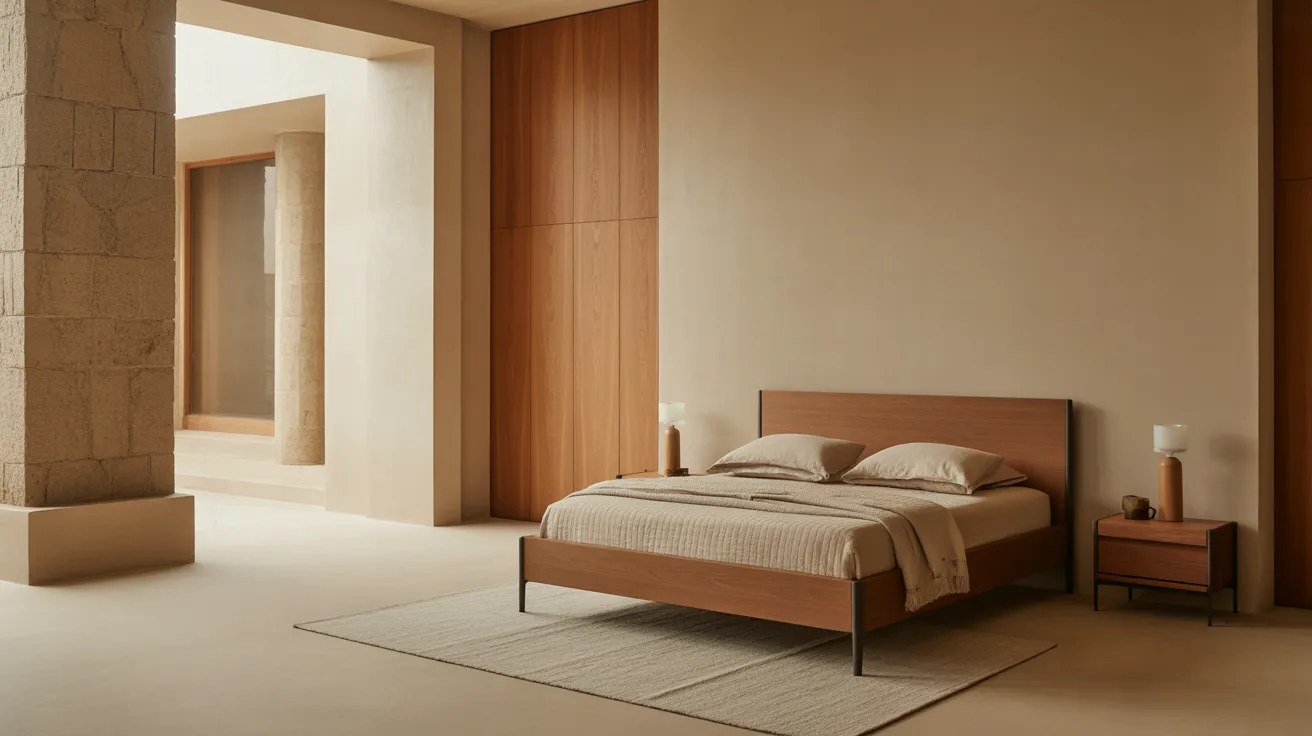
Upholstered, wood, or metal bed frame? Compare comfort, durability, noise, maintenance, and style so you choose the frame material that fits your bedroom.
The honest short answer: choose an upholstered frame for softness, quiet, and a cozy lean-back headboard (with the trade-off of cleaning and longer-term wear), choose a wood frame for durability, warmth, and a timeless look that lasts decades, and choose a metal frame for the most affordable, lightweight, easy-to-move option (accepting that it can squeak and feels harder and more minimal). This guide compares the three frame materials specifically — if you're still deciding on bed style overall or platform versus box spring, those are separate questions we cover elsewhere.
What This Comparison Is — and Isn't
Bed frames raise a few different decisions, and it helps to separate them. Whether you need a box spring, what overall style of bed suits your room, and how to size a headboard are their own topics. This article is narrower and more practical: once you've decided you want, say, a low-profile platform bed, what should the frame be made of? That single choice — upholstered, wood, or metal — shapes how the bed feels, sounds, ages, and fits your life more than almost any other spec.
If you're earlier in the process and weighing bed types and styles broadly, start with our guide on how to choose a bed frame. Then come back here to settle the material.
Side-by-Side Comparison
| Upholstered | Wood | Metal | |
|---|---|---|---|
| Look & feel | Soft, plush, cozy; padded headboard | Warm, substantial, timeless | Sleek, airy, minimal or vintage |
| Headboard comfort | Best — padded for sitting up in bed | Hard surface; pillows needed | Hard or open; pillows needed |
| Durability | Good frame; fabric wears over time | Highest; can last decades | Good; sturdy but joints can loosen |
| Noise (squeaking) | Quietest — padding absorbs sound | Quiet when well built; can creak | Most prone to squeaks at joints |
| Maintenance | Vacuum, spot-clean; fabric stains/fades | Dust, occasional polish | Wipe down; watch for loose bolts |
| Weight | Heavy | Heavy | Lightest — easy to move |
| Pet/kid friendliness | Fabric snags, stains, holds hair | Sturdy; scratches show | Sturdy; little to damage |
| Style range | Modern to classic, lots of colors | Wide — any era or wood tone | Modern minimal to vintage iron |
| Cost | Mid to high | Wide range (solid wood higher) | Lowest |
| Best for | Comfort, quiet, lean-back reading | Longevity and warmth | Budget, small spaces, frequent movers |
Upholstered: Soft, Quiet, and Cozy
An upholstered frame wraps the headboard (and often the rails) in padded fabric — linen, velvet, bouclé, or performance fabric — giving the bed a soft, plush, inviting presence. Its standout strength is the headboard: padded and comfortable to lean against, it turns the bed into a genuine spot for reading, scrolling, or morning coffee without a stack of pillows propping you up. Upholstered frames are also the quietest of the three, because the padding and fabric absorb the small movements and vibrations that make other frames squeak.
The trade-offs are about upkeep and longevity. Fabric needs care: it attracts dust and pet hair, can stain, and may fade over years (especially near a sunny window) — vacuuming and spot-cleaning keep it fresh, but it's more maintenance than a wipe-down surface. Light-colored upholstery shows everything. Over the long term, the fabric is the part that ages first; the frame beneath can be solid for years while the upholstery looks tired, and reupholstering is possible but not trivial. Choosing a durable, cleanable fabric (performance weaves are excellent here) softens most of these concerns. For getting the headboard proportions right, our headboard guide covers height and width by bed size.
Upholstered suits people who read or sit up in bed, want a soft cozy bedroom, prize a quiet frame, and will pick a cleanable fabric (especially with kids or pets).
Wood: Built to Last
A wood frame brings warmth and substance that the other materials can't match — natural grain, a solid presence, and a look that reads timeless in nearly any bedroom. It's the most durable of the three: a well-built solid-wood bed can last decades and become a piece you keep through several homes, and a quality wood frame stays quiet and rock-steady because there's simply less to loosen and rattle than in a metal frame. Wood also offers the widest stylistic range, from low minimal platforms to traditional four-posters, in tones that anchor a room.
The honest considerations: wood is heavy (a real factor on moving day and for solo assembly), and quality varies enormously by construction. A solid-wood frame is the gold standard; many affordable "wood" beds use engineered wood or veneer, which look similar but won't take the same abuse or last as long — worth checking before you buy. The headboard is hard, so sitting up in bed means propping pillows behind you, and wood can occasionally creak if joints aren't tight or the bed isn't on a level floor (usually fixable by tightening hardware). Cost spans a wide range, with solid hardwood at the top.
Wood suits anyone wanting a bed that lasts decades, who values warmth and a timeless look, and who doesn't need a padded headboard to lean against.
Metal: Light, Affordable, Minimal
A metal frame is the practical, budget-friendly choice — typically the least expensive way to get a sturdy, good-looking bed, and easily the lightest, which makes it the friend of renters, movers, and small spaces. Metal frames assemble and disassemble quickly, slip through tight doorways, and store flat. Stylistically they range from sleek modern minimal (slim black or brass profiles that keep a small room feeling airy) to vintage wrought-iron romance, and the open, see-through silhouette can make a bedroom feel more spacious than a bulky solid frame.
The trade-offs are real but manageable. Metal frames are the most prone to squeaking — the joints where metal meets metal can rattle and creak as they loosen with use, which is the classic complaint, though it's usually solved by tightening bolts and adding felt pads or anti-squeak washers. The headboard (if there is one) is hard or open, so it's not for leaning against, and metal can feel colder and more minimal — less cozy than fabric or wood, which some love and some don't. It's sturdy, but the lighter builds can flex or wobble more than a heavy wood frame. There's little to damage, though, which makes metal genuinely kid- and pet-resilient.
Metal suits budget-focused shoppers, renters and frequent movers, small rooms that benefit from an airy frame, and anyone drawn to a minimal or vintage-iron look.
Choose Upholstered If / Choose Wood If / Choose Metal If
Choose an upholstered frame if:
- You read, work, or sit up in bed and want a soft, comfortable headboard.
- A cozy, plush bedroom feel matters to you.
- Quiet is a priority — padding makes it the most silent frame.
- You'll choose a durable, cleanable fabric (and don't mind some upkeep).
Choose a wood frame if:
- You want a bed that lasts decades and reads timeless.
- Warmth, substance, and a steady, quiet frame appeal to you.
- You're fine propping pillows rather than leaning on a padded headboard.
- You'll check for solid construction rather than thin veneer.
Choose a metal frame if:
- Budget, light weight, or easy moving are top priorities.
- You rent, move often, or want an airy frame in a small room.
- You like a minimal modern or vintage-iron look.
- You can tighten the occasional bolt to keep squeaks away.
Shop this guide
- Gray Linen Upholstered Queen Bed Frame
- Natural Solid Wood Queen Bed Frame
- Black And Oak Shiplap Texture Wood and Metal Twin Bed Frame
The Short Version
Pick the material by how you use the bed and what you value. If you read or lounge in bed and want softness and quiet, choose upholstered — just commit to a cleanable fabric. If you want a frame that lasts decades and feels warm and timeless, choose wood, ideally solid wood, and accept a hard headboard. If budget, light weight, or easy moving lead your list, choose metal for its airy, affordable practicality, keeping a wrench handy for the occasional squeak. All three can look beautiful; the right one is the one whose trade-offs match your nights and your lifestyle.
Ready to choose your frame? Shop Bedroom and compare upholstered, wood, and metal beds with materials listed on every piece.
Frequently asked questions
Which bed frame material is the most durable?
Solid wood, generally — a well-built wood frame can last decades with little to loosen or wear out. Metal is sturdy but its joints can loosen and squeak over time. Upholstered frames can have a solid structure, but the fabric is the part that ages first. For sheer longevity, solid wood leads.
Why do metal bed frames squeak, and can I stop it?
Squeaks come from metal joints rubbing and loosening with use. They're usually fixable: tighten all the bolts, add felt pads, rubber washers, or anti-squeak hardware at the joints, and make sure the bed sits level. Upholstered frames are the quietest because padding absorbs that movement.
Are upholstered beds hard to keep clean?
They need more care than wood or metal — vacuum regularly, spot-clean spills promptly, and expect fabric to show dust, pet hair, and potential fading near sunlight. Choosing a performance or tightly woven fabric and a darker color makes upkeep much easier, especially with kids or pets.
Which is best for a small bedroom?
A metal frame often works best — its lightweight, open, see-through silhouette keeps a small room feeling airy and is easy to move and assemble. A low-profile wood platform also suits small spaces. Bulky upholstered frames with tall padded headboards can visually fill a small room more.
Are cheaper "wood" beds actually solid wood?
Often not — many affordable wood-look frames use engineered wood or veneer over a core, which look similar but won't last or take abuse like solid hardwood. If long-term durability matters, check whether the frame is solid wood or engineered, and weigh the price difference accordingly.