Comparisons
Sofa Bed vs. Daybed vs. Futon: Guest-Sleeping Options Compared
8 min read
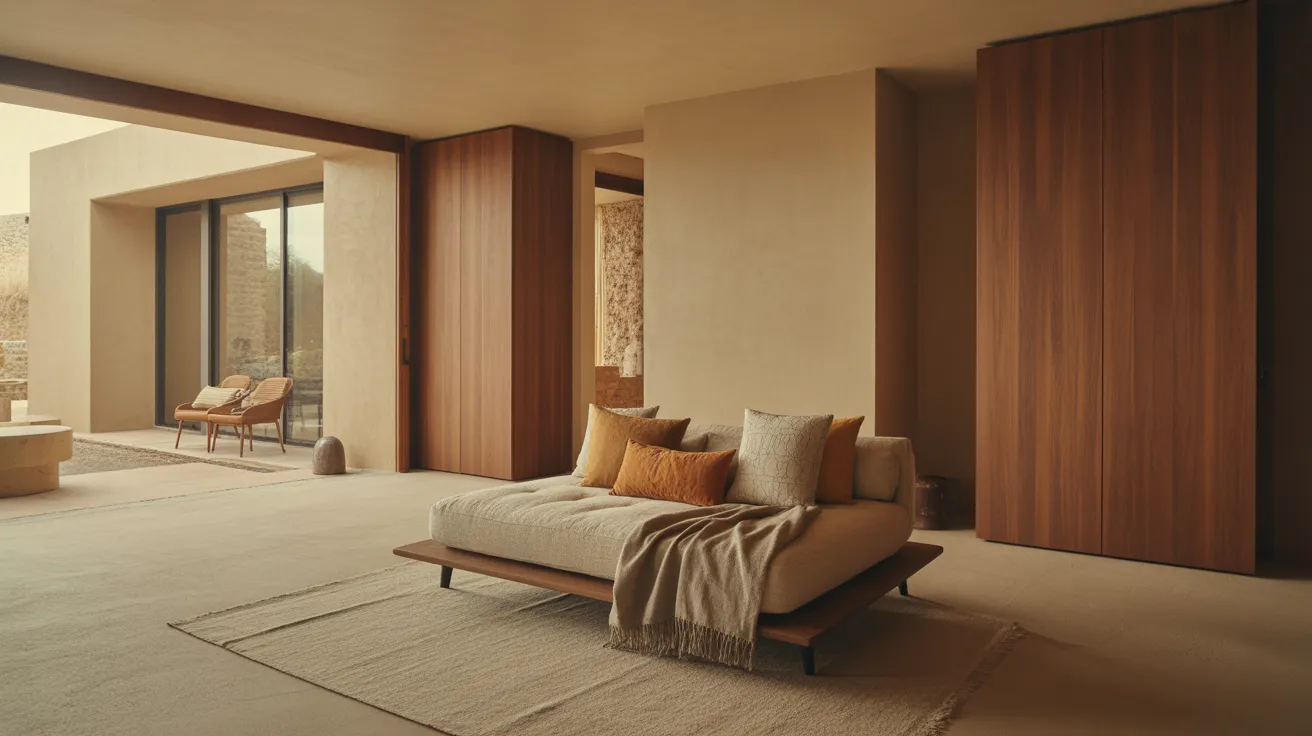
Sofa bed, daybed, or futon for guests? Compare sleep comfort, everyday use, footprint, and cost so you pick the right part-time bed for your space.
The honest short answer: choose a quality sofa bed if guests sleep over often and you want them genuinely comfortable, choose a daybed if you want a stylish everyday seat that doubles as a bed without any folding or unfolding, and choose a futon if budget and flexibility matter more than a great night's sleep. The deciding question is simple but easy to skip: who's sleeping on it, how often, and does it need to look good as furniture the other 360 days a year?
Two Jobs, One Piece of Furniture
Every option here is asking one piece of furniture to do two things — be seating most of the time and a bed occasionally — and the trade-off always lands somewhere. Some prioritize the sleep and compromise the sit; others nail the everyday look and offer a more modest bed. There's no free lunch, only the right compromise for your situation.
Three questions sort it out fast:
- How often will someone actually sleep on it? A few nights a year is a very different bar than a weekly guest or a regular sleep surface.
- What's the everyday job? Is this your main living-room sofa, a home-office daybed, or a piece tucked in a guest room or studio?
- How much room — and budget — do you have? Footprint and price separate these as much as comfort does. (If space is the real constraint, our studio apartment furnishing guide covers dual-purpose pieces in depth.)
Side-by-Side Comparison
| Sofa Bed (Sleeper Sofa) | Daybed | Futon | |
|---|---|---|---|
| Everyday use | Full sofa seating | Sofa-like seat / lounge | Couch (upright) or bed (flat) |
| Sleep surface | Pull-out mattress (full bed feel on good ones) | Twin mattress — real, consistent | Folding mattress; thinner, firmer |
| Sleep comfort | Best (quality models); thin bar-felt on cheap ones | Very good — it's an actual mattress | Most basic; can be firm or lumpy |
| Conversion effort | Unfold/remove cushions each time | None — always bed-ready | Fold down the frame |
| Seats (everyday) | 2–3+ | 1–2 (lounging) | 2–3 |
| Sleeps | 1–2 (full/queen) | 1 (twin); trundle adds a 2nd | 1–2 (full) |
| Footprint | Largest; needs clear floor to open | Compact; no extra clearance | Compact; needs swing room to fold |
| Style as furniture | Reads as a normal sofa | Stylish, distinctive | Casual; reads budget |
| Cost | Highest | Mid | Lowest |
| Best for | Frequent overnight guests, primary sofa | Guest room, office, small-space daily bed | Budget, dorms, occasional crashers |
Sofa Bed: Comfort for Real Guests
A sofa bed (or sleeper sofa) looks and functions like an ordinary sofa, then unfolds to reveal a hidden mattress. It's the option that takes guest comfort seriously: a good one gives visitors a proper full- or queen-size bed, and modern designs have come a long way from the thin pads and ankle-biting metal bars of old. If people stay over regularly, this is usually the right answer — it doesn't ask your guests to tough out a night.
The honest trade-offs come down to quality, size, and effort. A cheap sleeper sofa can still mean a thin mattress over a felt-able metal bar — the classic uncomfortable sofa bed — so construction really matters here; better models use thicker mattresses and gel or memory-foam toppers. Sofa beds are also the largest and heaviest option, they need clear floor space to open fully, and the daily-sit cushions can feel slightly firmer because of the mechanism underneath. You're paying the most, too. If overnight guests are frequent, it's money well spent — for a few nights a year, it may be more than you need.
A sofa bed suits frequent overnight guests, a living room where the sofa must also sleep people well, and anyone who refuses to put visitors on something uncomfortable.
Daybed: The No-Conversion Hybrid
A daybed is essentially a twin mattress on a backed, three-sided frame — part sofa, part bed, fully itself. Its quiet genius is that it's always ready: there's no folding, no pulling out, no cushions to wrestle. It's a real, consistent mattress you sit on by day and sleep on by night, which makes it both more comfortable than a folding surface and effortless to use. Many add a trundle underneath that rolls out to sleep a second person, doubling capacity without doubling footprint.
Daybeds are also genuinely stylish — they read as an intentional design choice rather than "the couch that becomes a bed" — and they're compact, needing no clearance to convert. The trade-offs: a single daybed sleeps one unless you add a trundle, the everyday seating is more lounge than a full plush sofa, and it works best where its distinctive silhouette suits the purpose — a guest room, office, reading corner, or studio — rather than as the main TV-night sofa for a family.
A daybed suits guest rooms, home offices, studios, kids' and teen rooms, and anyone who wants a real, always-ready bed that looks deliberate and skips the conversion fuss.
Futon: Budget and Flexibility
A futon is the most straightforward of the three: a folding frame holding a thick mattress that lies flat for sleeping and folds up to a couch position for sitting. Its strengths are price and flexibility — it's reliably the cheapest path to a seat-plus-bed, it's lightweight and easy to move, and conversion is quick once you know the motion. For a first apartment, a dorm, a home gym corner, or the occasional friend who crashes, it does the job without much investment.
The honesty is in the comfort and the look. Futon mattresses are generally thinner and firmer than a real bed, and lower-end ones can compress unevenly over time, so they're the least comfortable for a long stay or a bad back. As seating, a futon is more upright and less cushy than a sofa, and stylistically it reads casual or budget — charming in the right relaxed space, less so in a room you want polished. It also needs swing room to fold down.
A futon suits tight budgets, dorms and first apartments, occasional crashers, and flexible utility spaces where cost and adaptability outweigh a luxurious sleep.
Choose a Sofa Bed If / Choose a Daybed If / Choose a Futon If
Choose a sofa bed if:
- Overnight guests are frequent and you want them genuinely comfortable.
- The piece must also serve as a real, full-size living-room sofa.
- You can fit (and have floor space to open) a larger piece.
- You'll invest in a quality model rather than the cheapest one.
Choose a daybed if:
- You want a real, always-ready bed with zero conversion effort.
- It's going in a guest room, office, studio, or kid's room.
- You like a distinctive, stylish silhouette over a deep plush sofa.
- A trundle for a second sleeper would be a bonus, not a necessity.
Choose a futon if:
- Budget is the priority and the bed is for occasional use.
- It's for a dorm, first apartment, or flexible utility space.
- You value lightweight, easy-to-move, easy-to-convert simplicity.
- You can accept firmer, more basic sleep and a casual look.
Shop this guide
- 45" Gray Futon Convertible Sleeper Loveseat and Toss Pillows
- 74" Gray Velvet Convertible Futon Sofa With Toss Pillow
- 75" Dark Gray Linen Sleeper Sofa With Silver Legs
The Short Version
Let frequency and the everyday job decide. If guests stay over often and the piece must also be your real sofa, invest in a good sofa bed — it's the only option that sleeps people like a proper bed and lives like a full couch. If you want an effortless, always-ready bed with style, especially in a guest room, office, or studio, a daybed is the easy, comfortable, no-conversion answer. If it's about budget and occasional use, a futon does the job for the least money, as long as you accept firmer sleep and a casual look. Match the comfort you're paying for to the nights it'll actually be used.
Ready to find your dual-purpose piece? Shop Sofas and browse sleeper sofas and convertible designs alongside everyday seating.
Frequently asked questions
Which is most comfortable to sleep on?
A quality sofa bed with a thick mattress and a daybed with a real twin mattress are the two most comfortable — the daybed because it's a genuine consistent mattress, the sofa bed because the best ones rival a real bed. Futons are typically the firmest and most basic. Avoid cheap sleeper sofas, where you can feel the support bar through a thin pad.
What's the best option for a small space?
A daybed usually wins for small spaces — it's compact, needs no clearance to convert, and is always bed-ready, with an optional trundle for a second guest. Futons are also compact and cheaper. A sofa bed gives the best sleep but is the largest and needs floor space to open. For tight rooms generally, see our small-space sectional picks for more dual-purpose ideas.
Can any of these be a primary, everyday sofa?
A sofa bed, yes — it's designed to be a full everyday sofa first and a bed second. A daybed works as everyday lounge seating but feels more like a chaise or settee than a deep sofa. A futon can serve as an everyday couch but is the least comfortable for daily sitting. For a main family sofa, the sofa bed is the natural choice.
How comfortable are modern sofa beds, really?
Much better than the reputation, if you buy quality. Newer designs use thicker mattresses, memory-foam or gel toppers, and smoother mechanisms that avoid the dreaded metal bar. The old "uncomfortable sofa bed" mostly comes from budget models — spend a bit more and guests sleep well.
Which is cheapest?
Futons are reliably the most affordable, followed by daybeds in the middle, with quality sofa beds the most expensive (you're paying for the mechanism and mattress). Match the spend to how often someone will actually sleep on it. Check return terms before you commit in case the comfort isn't what you hoped.