Sizing Guides
Vase Size Guide: Height, Shape & Placement
4 min read
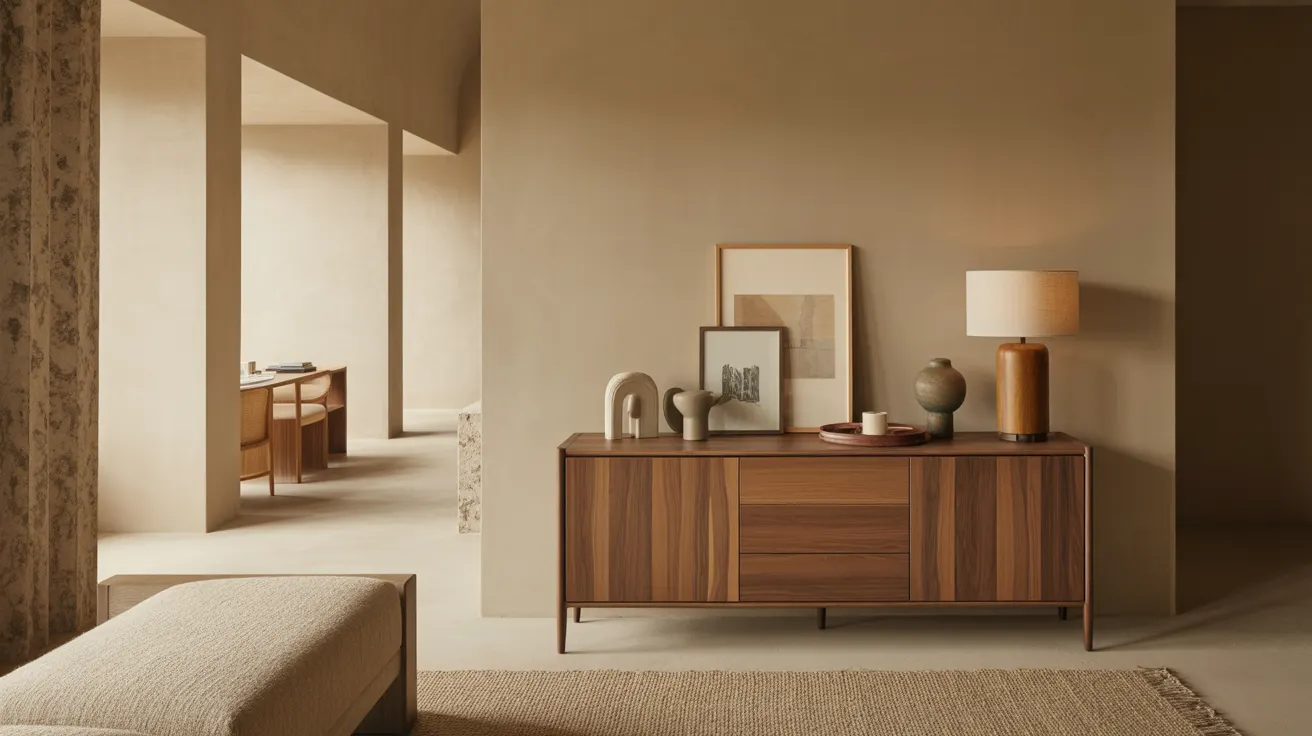
How tall a vase should be for your flowers, which shape suits which stems, and how big to go on a dining table, console, mantel or floor. Sizes in inches.
A vase should be roughly one-third to one-half the height of the finished arrangement, so the flowers stand about one and a half to two times the vase's height. Match the opening to the stems — a narrow neck for a few stems, a wide mouth for a full bouquet — and size the vase to where it will sit: low on a dining table, taller on a console or mantel, and 24 inches or more on the floor.
Here is how to get each choice right.
Height: the one-third rule
- Vase about one-third to one-half of the total height. A 10-inch vase suits an arrangement around 15 to 20 inches tall.
- Too tall a vase swallows the flowers and hides the stems' shape.
- Too short a vase lets the arrangement flop over and look top-heavy.
Size it to the spot
| Where | Vase height to try | Why |
|---|---|---|
| Dining table centerpiece | keep the whole arrangement under about 12–14 in., or go tall and slim | people need to see each other across the table |
| Coffee table | 6–12 in. | low pieces don't block the view across the room |
| Console or sideboard | 12–24 in. | taller pieces balance art or a mirror above |
| Mantel | 12–24 in. | vary heights along the length |
| Floor | 24 in. and up | branches, dried grasses, or empty as sculpture |
On a dining table, a centerpiece that blocks faces is the most common mistake. Keep it low, or choose a tall, slender vase with stems that rise above eye level.
Shape: match the opening to the stems
- Cylinder: the most versatile shape, good for tall, straight stems like tulips, lilies and branches.
- Bud vase: a small vase with a narrow neck for one or two stems — ideal on a nightstand, desk or small shelf.
- Jug or urn: a wider body with a smaller mouth holds a loose, gathered arrangement upright.
- Wide bowl: suits short-stemmed or floating blooms and low centerpieces.
- Amphora and floor vases: large, sculptural shapes that often look best with branches or left empty.
Material
- Ceramic is opaque, so it hides stems and water, and it brings color and texture.
- Glass shows the stems, so change the water often and trim stems cleanly.
- Metal and wood vases aren't always watertight. Check before adding water, or use a glass liner inside for fresh flowers.
Grouping vases
Vases look best in odd-numbered groups — threes and fives — with clearly different heights, and with one shared element such as color or material so the group reads as intentional. Our guides to styling a sideboard, styling a coffee table and dining room styling show where vases fit into a finished surface.
Shop this guide
- 6" Brown Abstract Cylinder Ceramic Table Vase
- 14" White Floral Ceramic Table Vase With Sculptural Details
- 27" Cylinder Aluminum Floor Vase
The short version
Choose a vase about one-third to one-half the height of the arrangement, match the opening to the stems, and size it to its spot: low on a dining table, 12 to 24 inches on a console or mantel, and 24 inches or more on the floor. Group vases in odd numbers with varied heights, and check that metal or wood vases are watertight before adding fresh flowers.
Ready to choose one? Shop Vases and measure the spot first.
Frequently asked questions
How tall should a vase be for flowers?
About one-third to one-half of the arrangement's total height, so the flowers stand one and a half to two times the vase's height.
What size vase for a dining table centerpiece?
Keep the whole arrangement under about 12 to 14 inches so people can see each other, or use a tall, slim vase whose stems rise above eye level.
What is a bud vase for?
A bud vase holds one or two stems. It suits nightstands, desks, windowsills and small shelves where a full arrangement would crowd the space.
How big should a floor vase be?
Usually 24 inches or taller, so it holds its own on the floor. Floor vases often look best with branches or dried stems, or empty as a sculptural piece.
Can I put water in a metal vase?
Only if it is watertight. Many metal and wooden vases aren't, so check first or place a glass liner inside for fresh flowers.
How many vases should I group together?
Odd numbers, usually three or five, with clearly different heights and one shared color or material.